
Software Development Workstation: Build for the Feedback Loop
Prioritize compile speed, memory headroom, storage responsiveness, virtualization and quiet sustained operation.
Profile the development stack
List the languages, build systems, container count, virtual machines, databases and local services used at the same time. Large native builds can scale across cores, while editor interaction and many scripting tasks depend more on lightly threaded responsiveness. Browser-heavy web work may consume more memory than its compile step suggests.
Record peak memory during a real workday and the size of active repositories, dependency caches and container images. This separates a capacity problem from a processor problem.
Optimize the daily loop
Use an SSD with enough capacity to avoid constant cleanup and keep backups separate from working storage. Choose a motherboard with the networking, USB and display connections the workspace actually needs. Integrated graphics can simplify multi-monitor output or diagnosis on systems where the main GPU is optional.
Cooling should sustain long tests and builds without distracting fan ramps. TechMuz's development preset favors explainable capacity and platform choices rather than assuming every developer needs a flagship GPU.
Research trail
References support factual checks and topic research. No third-party article text or imagery is republished here.
Put the guide into practice.
Open exact specifications, compatibility fields and available buying references.
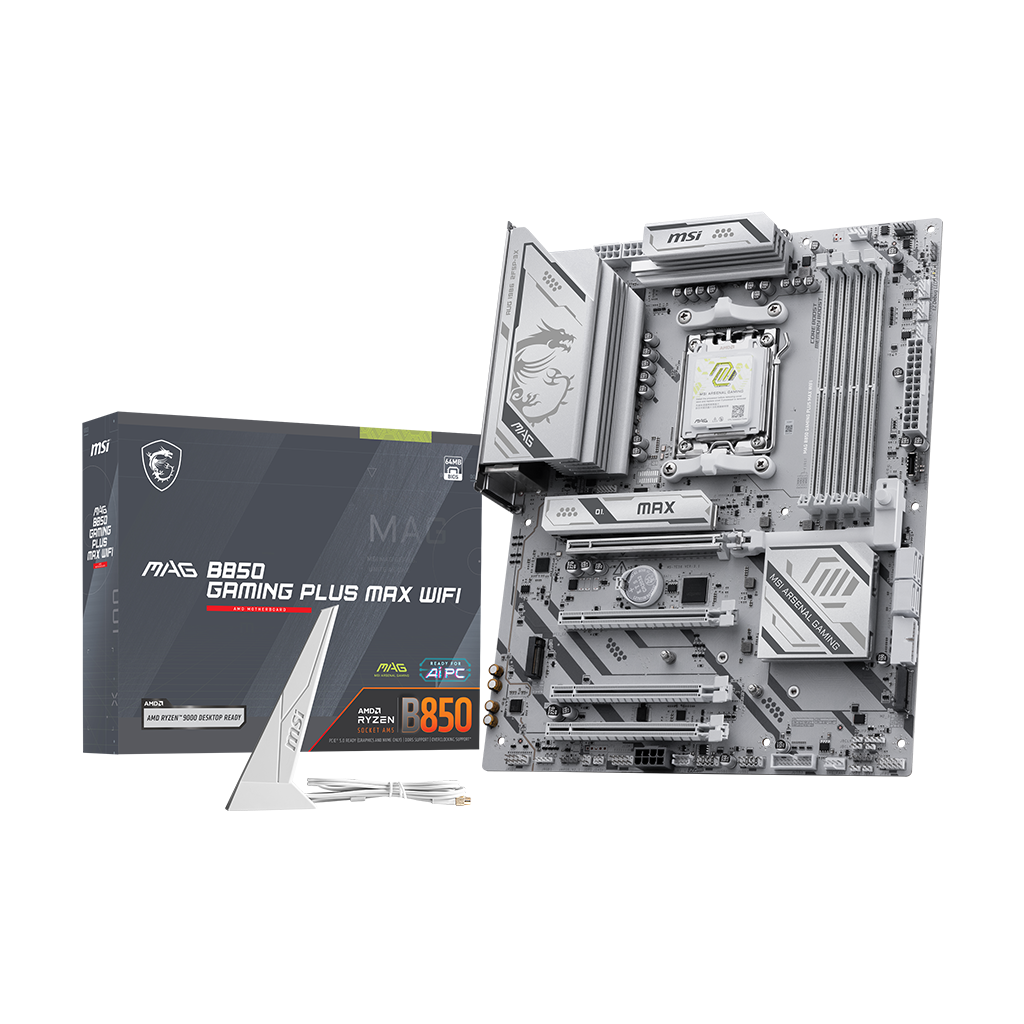 CHIPSETB850
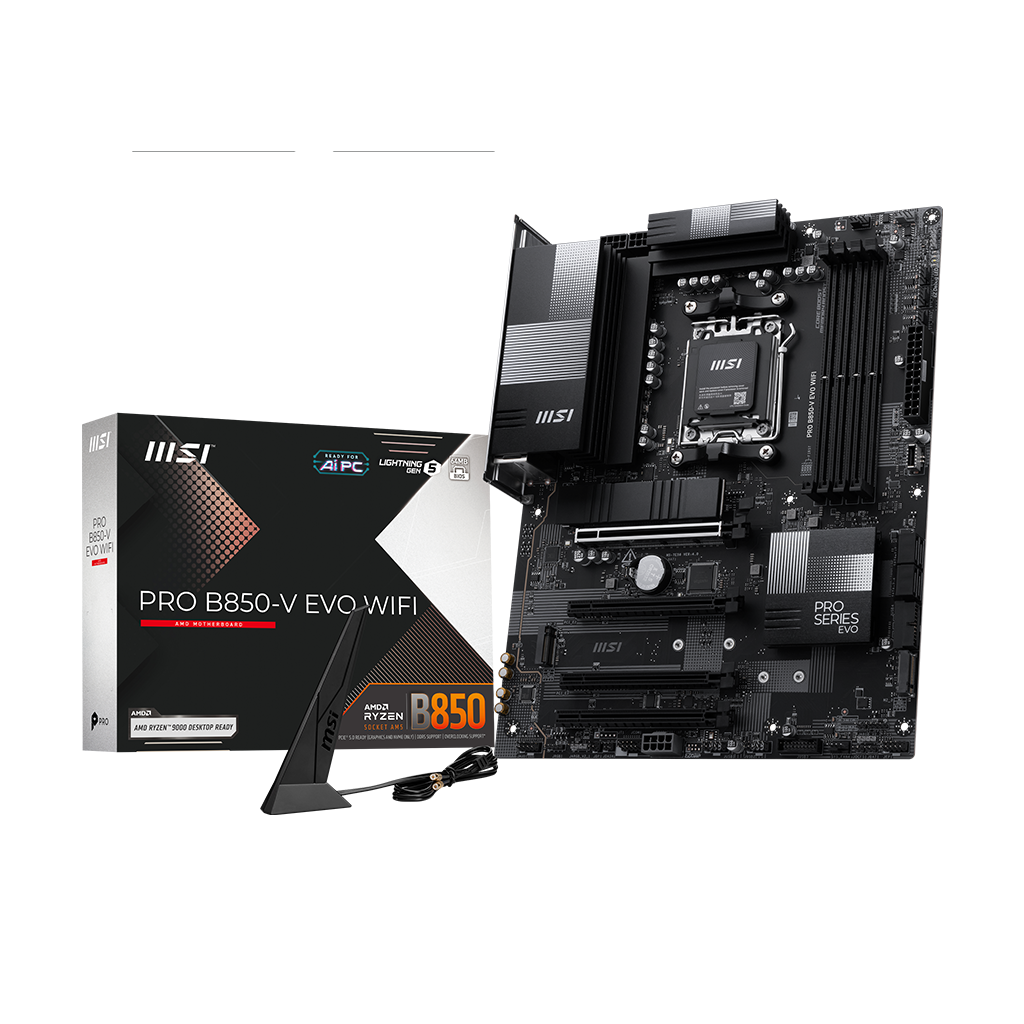 CHIPSETB850
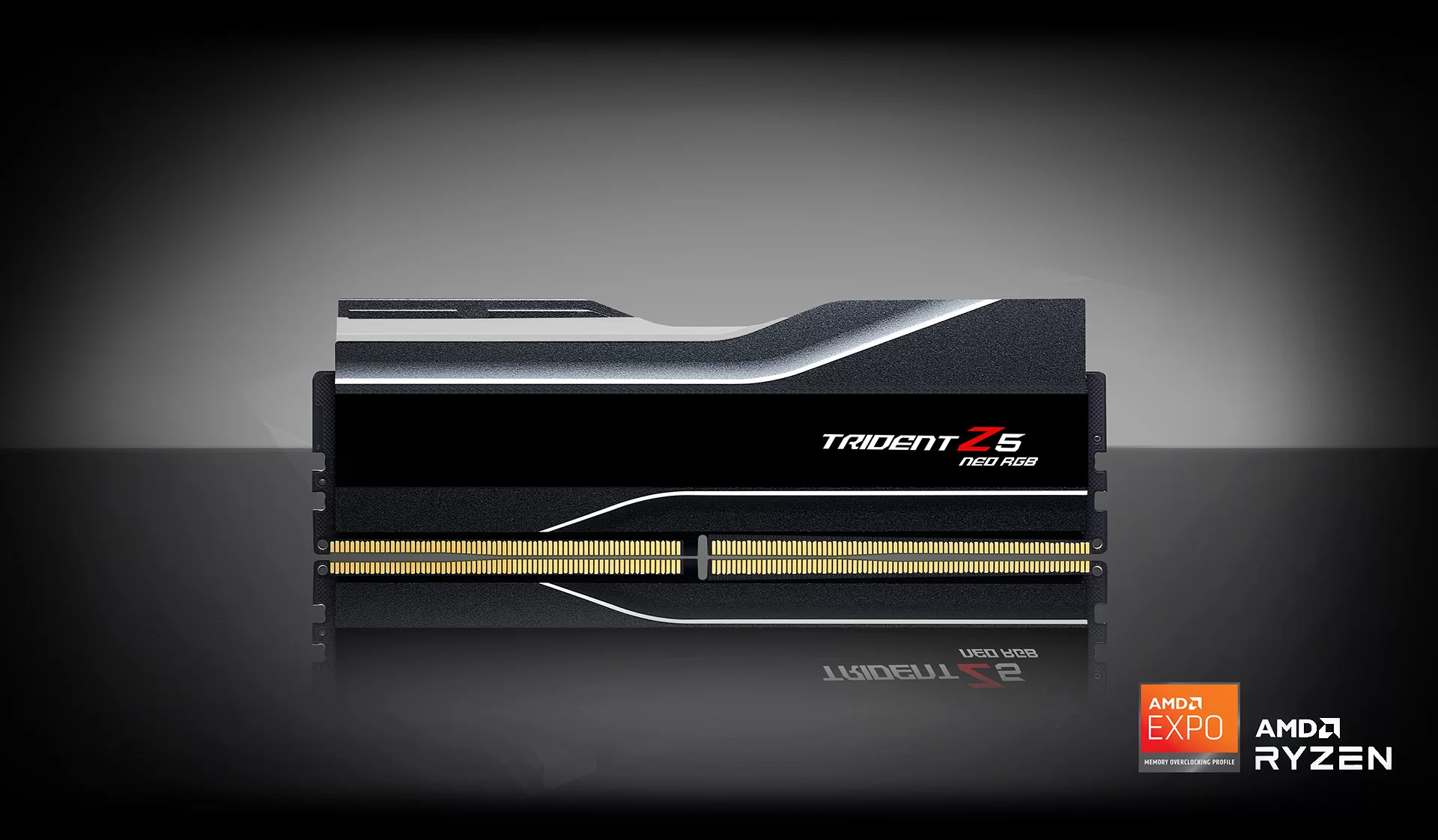 RAM32GB
Trident Z5 Neo RGB 32GB (2 modules) DDR5-6000
32GB 2-module DDR5-6000 desktop memory configuration.