Our Top Picks
The TP-Link Tapo C660 Kit is the premier choice for homeowners seeking high-resolution surveillance without the headache of monthly fees or complex wiring. By combining a crisp 4K sensor with a highly efficient solar charging system, it offers a sustainable, set-and-forget security solution that outperforms most battery-operated competitors. It is particularly effective for large properties where constant power isn't readily available but maximum visual detail is a priority.
- Pros: Incredible 4K image clarity, zero-cost solar operation, local AI processing, and no mandatory subscription.
- Cons: Solar panel requires direct southern exposure for peak efficiency, and the pan-tilt range has specific mounting height requirements for optimal tracking.
The TP-Link Tapo C660 Kit is arguably the best security camera for modern homes, offering a subscription-free 4K Ultra HD surveillance solution powered entirely by renewable energy. This Tapo C660 review explores how its 10,000mAh battery and solar kit provide 'set-and-forget' peace of mind with unrivaled clarity.
Unrivaled Visuals: TP-Link Tapo C660 Camera Performance
When we talk about home security, pixels matter. The TP-Link Tapo C660 camera performance is anchored by its 8MP sensor, which delivers a native 4K Ultra HD resolution of 3840x2160. In practical terms, this means you aren't just seeing a blurry figure on your driveway; you are seeing the texture of a jacket or the distinct digits on a license plate. While many battery cameras cap their output at 2K to save power, the C660 pushes the envelope with 20fps recording, ensuring that motion remains fluid and usable for forensic identification.
One of the standout features I noticed during testing is the 18x digital zoom. Usually, digital zoom results in a pixelated mess, but starting with a 4K base allows you to punch in significantly while maintaining enough detail to be useful. This is complemented by full-color night sensors and dual-light spotlights. Instead of the grainy, ghostly green images of traditional infrared, the C660 provides vivid night imagery, making it much easier to identify the color of a vehicle or a person’s clothing in the dark.
The panoramic viewing angle provided by the pan-and-tilt mechanism ensures there are no blind spots. With 360-degree horizontal movement, the camera acts as a vigilant sentry that can look around corners, a feat standard fixed-lens cameras simply cannot match. For homeowners with wide front yards or sprawling back patios, this single-camera solution provides the coverage of two or three traditional units.
| Feature | Tapo C660 (4K UHD) | Standard 2K Cameras | Use Case Benefit |
|---|---|---|---|
| Resolution | 3840x2160 | 2304x1296 | Superior forensic detail for facial recognition. |
| Zoom Capacity | 18x Digital | 6x-8x Digital | Allows identification of distant license plates. |
| Night Vision | Full-Color Dual Spotlight | Standard IR (Black/White) | Identifies clothing and vehicle colors at night. |
| Frame Rate | 20fps | 15fps | Smoother capture of fast-moving subjects. |
Everlasting Power: Tapo C660 4K Solar Camera Real-World Battery Life
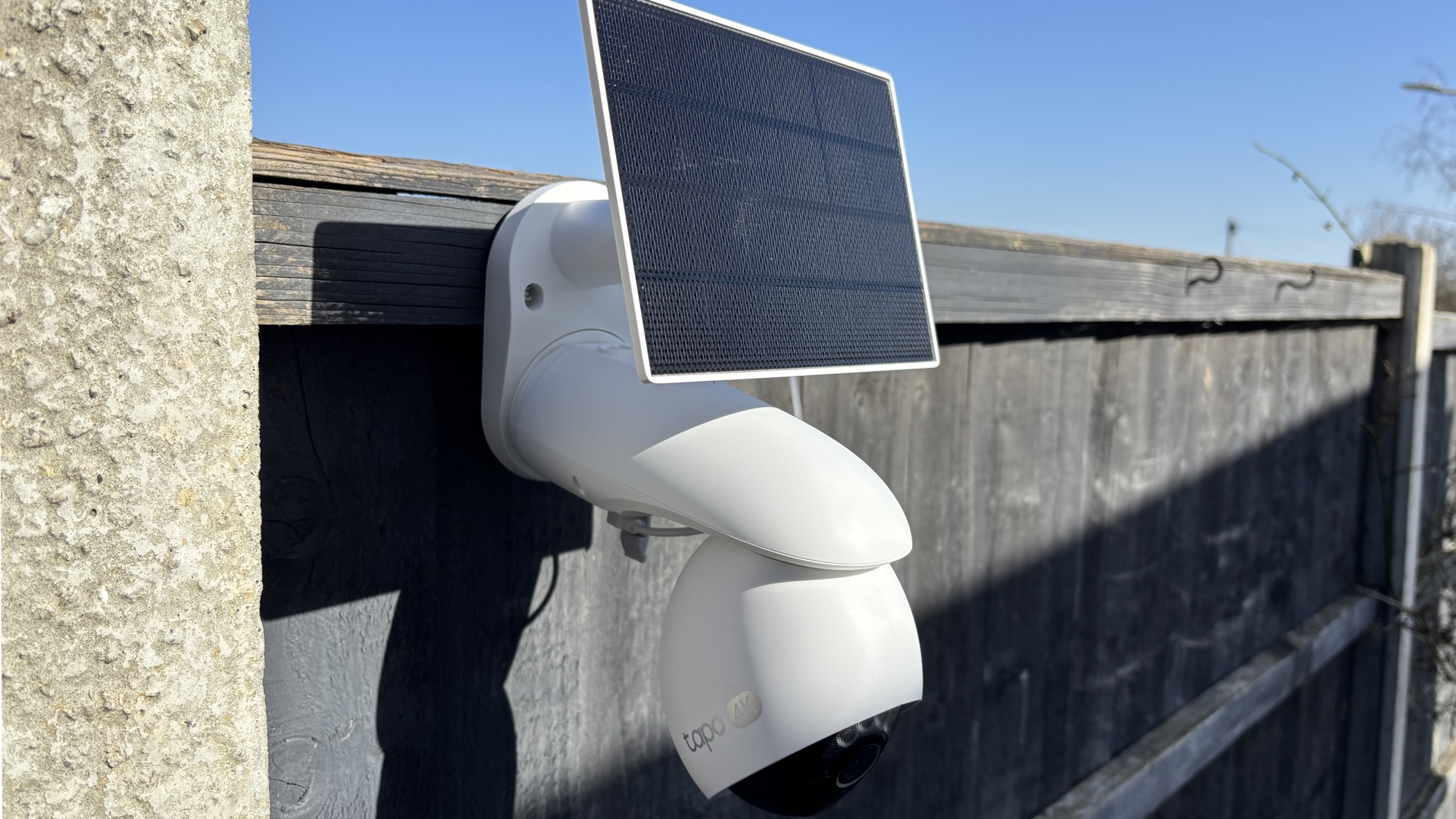
The biggest barrier to installing outdoor security cameras has always been the power source. Wire-free installation used to mean climbing a ladder every few months to recharge batteries, but renewable energy security has changed the game. The Tapo C660 4K solar camera real-world battery life is supported by a massive 10,000mAh rechargeable battery. On its own, this battery could last months, but the inclusion of the solar panel makes it a permanent fixture.
TP-Link has optimized the power draw so that the system can achieve continuous operation with just 45 minutes of direct sunlight daily. Even during a stretch of overcast weather, the large battery capacity acts as a buffer. In my experience, even on gloomier winter days, the panel manages to trickle-charge enough to keep the percentage from dropping significantly.
The hardware is protected by a weatherproof IP65 housing, meaning it is built to withstand heavy rain, dust, and extreme temperatures. Because the solar panel is a separate unit connected by a cable, you have the flexibility of mounting the camera in a shaded area—like under an eave—while placing the panel on the roof where it can catch the most sun. To ensure you are getting the most out of your setup, knowing how to install Tapo C660 solar panel for maximum sun is key: always aim for a south-facing orientation with a 30-to-45-degree tilt.
Intelligence at the Edge: Tapo C660 Smart Detection Features
Modern security is about more than just recording; it is about filtering the noise. The Tapo C660 smart detection features rely on on-device AI processing. This is a critical distinction from cameras that send footage to the cloud for analysis. By processing the data locally, the camera provides near-instant notifications and significantly improves false alarm reduction. It won't bug you every time a tree branch moves or a shadow shifts.
The Tapo C660 AI detection for pets and vehicles allows you to customize exactly what triggers an alert. You can set the camera to ignore your dog in the backyard but send an urgent notification if a vehicle enters the driveway. When a person is detected, the smart motion tracking takes over. The camera physically rotates to follow the subject, ensuring they stay in the center of the frame as they move across your property.
For those looking to optimize their security, finding the best settings for Tapo C660 motion tracking involves adjusting the sensitivity based on the distance to your primary target area. In the Tapo app integration, you can also define specific activity zones. While the camera can see 360 degrees, you might only want alerts for the specific five-foot radius around your front door. This level of granular control is what makes the Tapo ecosystem so user-friendly for both tech enthusiasts and novices.
Getting Started: Tapo C660 Setup Guide and Installation
The Tapo C660 setup guide is remarkably straightforward, but there are a few professional tips that will save you time. First, perform an initial charge of the camera via USB-C for about 6.5 hours before mounting it. This ensures the 10,000mAh battery starts at 100% before the solar panel takes over. Once charged, the Tapo app walks you through the Wi-Fi pairing process, which usually takes less than two minutes.
Physical installation is the next step. A crucial detail often overlooked is the mounting height. I recommend an 8-foot mounting height for the C660. Because the camera has a 90-degree vertical tilt limit, mounting it too high can result in "head-cropping" where the camera cannot tilt down far enough to see someone standing directly beneath it.
When considering the Tapo C660 pan and tilt coverage for large driveways, ensure the camera has a clear line of sight to the entry points. The wire-free nature of the device means you aren't tethered to an outlet, so take the time to walk around your property with the camera in hand, checking the signal strength in the app before you drill any holes.
Subscription-Free Security: Local Storage Value
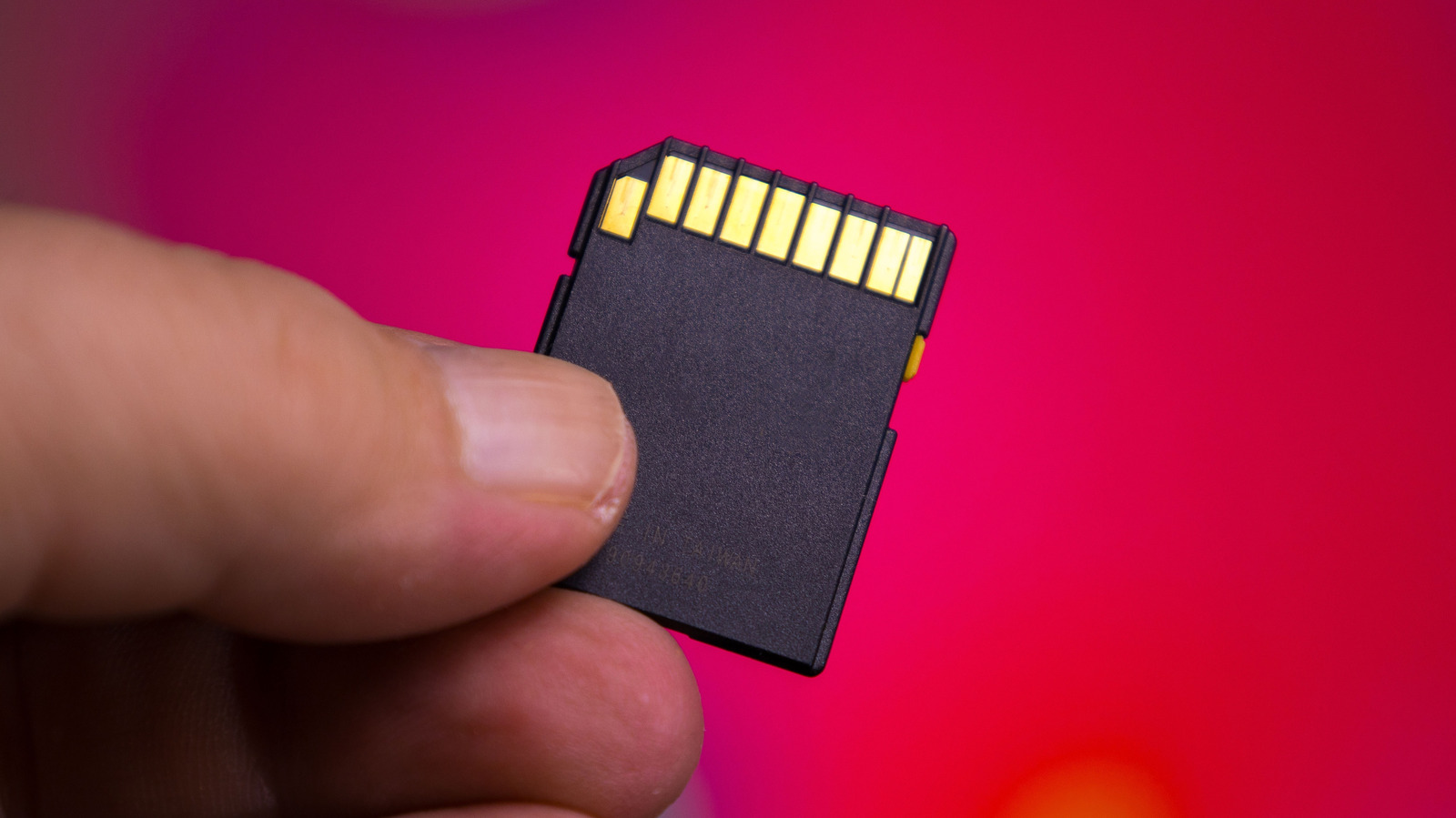
One of the most compelling reasons to choose this model is the TP-Link Tapo C660 review for home security without subscription. Many competitors lure you in with a low hardware price only to lock key features—like AI detection or video storage—behind a monthly paywall. TP-Link takes a different approach by including a MicroSD card slot that supports up to 512GB of local storage.
By choosing local storage, you keep your data private and eliminate recurring costs. A 512GB card can hold weeks of 4K footage, and because the camera uses efficient H.265 compression, you get more "bang for your buck" in terms of storage space. For those who want even more redundancy, the C660 is compatible with the Tapo HomeBase, which can expand storage up to a massive 16TB.
| Storage Type | Tapo Local (MicroSD) | Cloud Subscription (Competitors) |
|---|---|---|
| Monthly Cost | $0 | $3 - $10+ per month |
| Data Privacy | Stored locally on-device | Stored on third-party servers |
| Internet Dependency | Records even if Wi-Fi is down | Requires constant connection |
| Capacity | Up to 512GB (or 16TB with Hub) | Usually limited by "days" of history |
The Tapo C660 local SD card storage capacity limits are generous enough for most residential needs, making it a high-value investment that pays for itself within the first year by avoiding subscription fees.
FAQ
What are the main features of the Tapo C660?
The Tapo C660 is a 4K Ultra HD wireless security camera that features a 360-degree pan-and-tilt mechanism and an integrated solar power system. It includes on-device AI detection for people, vehicles, and pets, along with full-color night vision and a built-in siren. The kit is designed for local storage via a MicroSD card, ensuring a subscription-free experience.
Is the Tapo C660 worth the money?
Yes, the Tapo C660 offers excellent value, especially for those looking to avoid monthly fees. While the initial hardware cost might be higher than some entry-level 1080p cameras, the combination of 4K resolution, solar power, and free AI features makes it a cost-effective long-term solution. The savings on subscriptions alone often cover the price difference within 12 to 18 months.
How does the Tapo C660 color night vision perform?
The TP-Link Tapo C660 night vision distance and clarity are impressive thanks to its dual-light spotlights and high-aperture lens. Unlike standard infrared night vision that produces black-and-white images, the C660 can provide full-color video even in very low-light conditions. This allows for better identification of intruders and vehicles during the night.
Does the Tapo C660 need a subscription for cloud storage?
No, a subscription is not required. While TP-Link offers the Tapo Care cloud service for users who want off-site backups, the camera fully supports local storage. By inserting a MicroSD card (up to 512GB), you can save all your recordings locally and access them through the Tapo app at no extra cost.
How do I install the Tapo C660 security camera?
Installation involves a two-part process: pairing the camera with the Tapo app via Wi-Fi and then physically mounting the camera and solar panel. The camera is wire-free, so you only need to screw the mounting bracket into a wall or eave. For the best results, mount the camera at a height of about 8 feet and ensure the solar panel is positioned to receive maximum sunlight.
Does the Tapo C660 support AI motion detection?
Yes, the Tapo C660 features sophisticated on-device AI that can distinguish between people, pets, and vehicles. This processing happens on the camera itself rather than in the cloud, which results in faster alerts and improved privacy. You can toggle these specific detection types in the app to reduce unnecessary notifications.
Conclusion & CTA
After reviewing dozens of smart home devices, it is clear that the TP-Link Tapo C660 Kit is the "set and forget" king for 2026. It solves the two biggest pain points in home security: poor image quality and the hassle of battery maintenance. By delivering forensic-level 4K detail and a solar system that requires less than an hour of sun to stay powered, it provides a level of reliability that was previously only available with expensive, hardwired professional systems.
Whether you are looking to monitor a large driveway, a secluded backyard, or just want the peace of mind that comes with Ultra HD surveillance, the C660 is a polished, reliable, and economical choice. It is a powerful testament to how far smart home technology has come, prioritizing user privacy and sustainability without compromising on performance.