Quick Facts
- Baseline Standard: A 5.1 channel surround sound system remains the industry foundation for achieving authentic cinematic immersion in home environments.
- Spatial Audio Trend: As of 2024, approximately 72% of smart TVs sold in the United States were built with Dolby Atmos compatibility, facilitating easier access to object-based audio.
- Pro Adoption: Industry reports indicate that 41% of dedicated theater projects now feature nine or more speakers to fully support immersive formats like DTS:X.
- Room Clearance: To maintain optimal bass response and dialogue clarity, keep rear-ported speakers at least 2 feet away from walls.
- Connectivity: Prioritize hardware with HDMI 2.1 and HDMI eARC support to ensure compatibility with high-bitrate spatial audio metadata and 8K video.
- Budgeting: Quality entry-level systems typically begin around $3,000, while high-end bespoke cinema rooms can easily exceed $20,000.
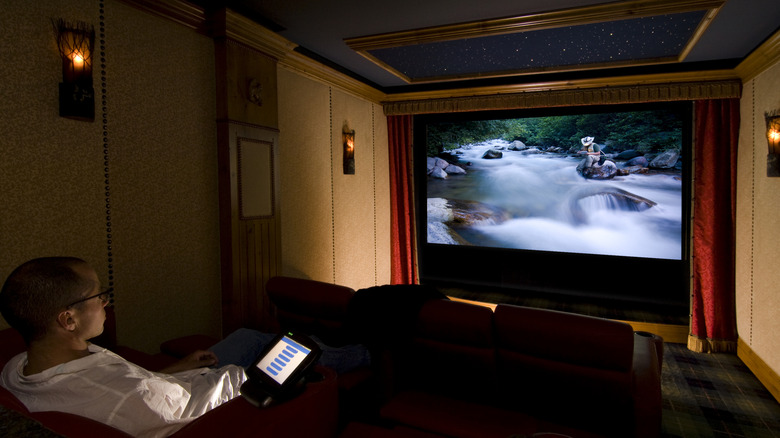
Choosing the perfect surround sound system depends on more than just the number of speakers; it's about matching your audio setup to your room's physical traits and your listening goals. A standard 5.1 channel surround sound system is the most common configuration for home theaters, consisting of three front speakers, two rear surrounds, and a subwoofer. This setup is ideal for most average living rooms as it provides a true sense of immersion with discrete audio channels while remaining relatively easy to position and wire.
Decoding the X.Y.Z Layout: What Do the Numbers Mean?
When you begin shopping for a surround sound system, you will immediately encounter a numerical shorthand like 5.1, 7.2, or 5.1.4. Understanding these numbers is the first step toward building your ideal listening sweet spot. The first digit represents the number of traditional discrete channels, which include your front, center, and surround speakers. These are responsible for the primary soundstage and directional cues.
The second digit refers to the Low-Frequency Effects (LFE) channel, or the subwoofer. While a single subwoofer is standard, many enthusiasts opt for a ".2" setup to even out bass distribution across the room, preventing "dead zones" where the low end feels thin.
Finally, the third digit—often seen in Dolby Atmos setups—denotes the height channels. Unlike traditional channel-based audio, which pans sound from left to right, Atmos uses object-based audio. This technology treats sounds as individual objects that can be placed anywhere in a 3D space. The spatial audio metadata tells your AV receiver exactly where to "place" a sound, whether it’s a helicopter hovering overhead or rain falling from the ceiling.
The 5.1 Channel Standard: Best for Apartment Living
For many enthusiasts, the 5.1 channel surround sound system is the absolute sweet spot. It offers a massive jump in quality over built-in TV speakers or basic stereo setups without requiring a massive architectural overhaul. In a 5.1 configuration, the center channel handles the majority of the dialogue, ensuring that voices remain crisp and clear even during loud action sequences. The front left and right speakers handle the musical score and primary sound effects, while the two rear speakers provide the ambient noises that make you feel like you are inside the movie.
This configuration is frequently the best surround sound system for apartment living because it balances performance with spatial constraints. If you are dealing with a surround sound system for small room environments, using satellite speakers or high-quality bookshelf speakers can save a significant amount of floor space.
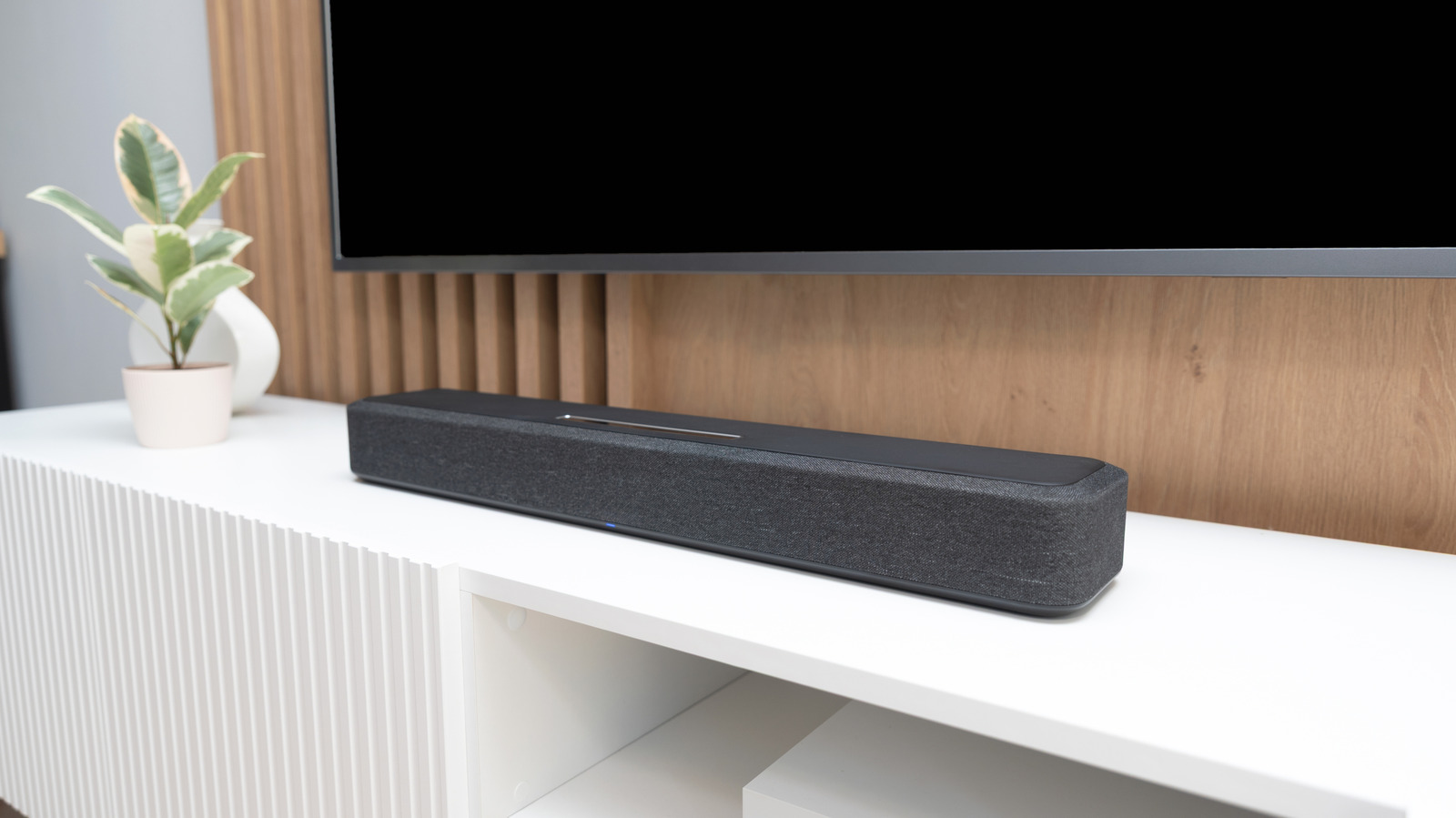
Tom’s Tip: If your apartment layout doesn't allow for speakers behind your couch, look for a premium soundbar package that uses side-firing drivers to bounce sound off the walls. This creates a virtualized 5.1 experience that effectively mimics discrete channels without the need for extra wires running across the floor.
Leveling Up to 7.1: Filling Larger Living Rooms
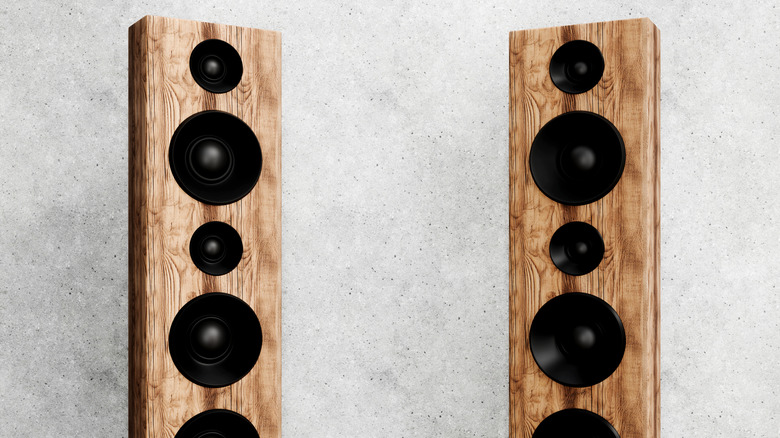
If you have a larger open-concept living area or a dedicated media room, a 7.1 surround sound system provides a much more cohesive and seamless soundstage imaging. The "7" in this setup adds two side surround speakers to the existing 5.1 layout.
The primary difference in surround sound speaker placement for 5.1 vs 7.1 is where the immersion comes from. In a 5.1 setup, the two surround speakers are usually placed slightly behind and to the side of the listener. In a 7.1 setup, you have speakers directly to your sides and a separate pair directly behind you. This eliminates the "audio gaps" that can sometimes occur in large rooms, creating a more convincing 360-degree bubble of sound.
To power this many speakers, you will need a robust AV receiver (AVR) with at least seven channels of amplification. Modern receivers in this category often include sophisticated room correction software. This software uses a microphone to "alias" your room’s acoustics, adjusting the timing and volume of each speaker to ensure the sound reaches your ears at the exact same moment, regardless of where the speakers are placed.
| Feature | 5.1 System | 7.1 System | Dolby Atmos (5.1.2+) |
|---|---|---|---|
| Speaker Count | 6 Speakers | 8 Speakers | 8+ Speakers |
| Room Size | Small to Medium | Large / Open Plan | Any (with height) |
| Immersion | Horizontal 360° | Enhanced Horizontal | Full 3D / Vertical |
| Complexity | Moderate | High | High (Ceiling/Up-firing) |
| Key Benefit | Traditional Standard | No Audio "Gaps" | Object-based Audio |
Immersive 3D Audio: Adding Height for Dolby Atmos
The current gold standard for home cinema is Dolby Atmos. If you want the most advanced experience available today, you need to consider your Dolby Atmos home theater speaker count. A typical entry-level Atmos setup is 5.1.2, which takes a standard 5.1 layout and adds two height channels.
There are two primary ways to achieve this height effect:
- In-Ceiling Speakers: These are physically mounted in your ceiling, firing sound directly down at the listening sweet spot. This is the most accurate way to experience spatial audio.
- Up-firing Drivers: If you cannot cut holes in your ceiling, many modern speakers and soundbars include drivers that fire sound upward at an angle. The sound bounces off your ceiling and reflects back down to your ears.
For dedicated home cinema enthusiasts, 9.1.4 or 11.1.4 configurations are becoming more common. These systems use four height speakers (two in front, two in back) to allow sounds to travel across the "ceiling" of your room. This level of detail is what allows a filmmaker to make a bird sound as if it is truly flying over your left shoulder and circling to the front of the room. This is why the 5.1 configuration remains the most common foundation, but many are now expanding into the vertical dimension to keep up with modern film mixing.
Ecosystem Harmony and Future-Proofing in 2026
As we look toward the future of home entertainment, the line between hardware brands is becoming increasingly important. Many manufacturers have developed proprietary technologies to help their speakers work better with their TVs. For example, Samsung Q-Symphony allows the speakers inside the TV to work in tandem with a wireless surround sound system, using the TV's height as an additional center channel to raise the height of the dialogue clarity. Similarly, LG Sound Sync offers seamless integration for reduced cable clutter.
If you are building a system today, future-proofing is essential. Ensure your setup includes:
- HDMI 2.1: Necessary for 4K/120Hz gaming and 8K video pass-through.
- HDMI eARC: This allows your TV to send high-quality, uncompressed audio formats like Dolby Atmos and DTS:X back to your receiver through a single cable.
- Crossover Frequency Control: The ability to manually set where your speakers stop playing bass and where the subwoofer takes over is vital for a balanced sound.
- Wireless Expansion: A wireless surround sound system is an excellent choice for those who want to avoid running copper wire under rugs or through walls, though you should ensure the wireless protocol used (like WiSA) offers low-latency performance.
Investing in a high-quality home theater surround sound system is not just about raw power; it is about creating a space where you can get lost in a story. Whether you choose a compact 3.1 setup or a massive 11-channel powerhouse, the goal is always the same: to bring the magic of the cinema into the comfort of your home.
FAQ
What is the best surround sound system for home?
The best system is one that matches your room volume and budget. For most people, a high-quality 5.1 channel setup provides the most significant "bang for your buck," offering a massive upgrade over TV speakers without over-complicating the installation.
What's better, 5.1 or 7.1 surround?
Neither is objectively "better," but 7.1 is superior for larger rooms. If your couch is against the back wall, stay with 5.1. If you have at least 4-6 feet of space behind your seating area, a 7.1 system will provide a much more immersive experience by filling in the rear audio gaps.
What is better, a soundbar or surround sound?
A discrete surround sound system with a separate AV receiver and wired speakers will almost always offer better channel separation, dynamic range, and longevity. However, a premium soundbar is better for small apartments where space and simplicity are the top priorities.
What is the best sound system for a TV?
For a standard TV setup, a 3.1 or 5.1 system is typically best. It ensures that dialogue is anchored to the screen via a dedicated center channel while providing the low-end impact necessary for movies and modern TV dramas.
Is surround sound a thing anymore?
Absolutely. In fact, with the rise of spatial audio on streaming services like Netflix, Disney+, and Apple Music, surround sound is more relevant than ever. Most major productions are now mixed specifically for immersive formats, making a multi-speaker setup the only way to hear the content as the creators intended.