Quick Facts
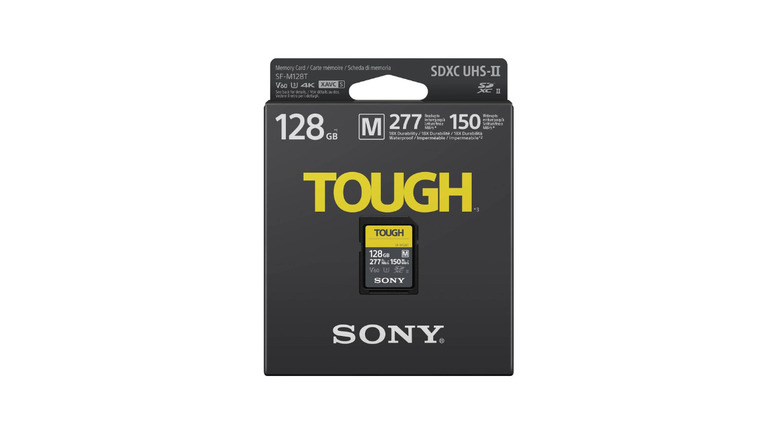
- Top Professional Choice: Sony Tough Series (SD) / ProGrade Digital (CFexpress)
- Best for 8K Video: Video Speed Class V90 or CFexpress Type B
- Recommended Baseline: 128GB - 256GB for modern mirrorless
- Durability Factor: Ribless and switchless designs prevent mechanical failure
- Data Safety: Standardize on dual-slot recording whenever possible
Choosing the right camera memory cards is the difference between a successful shoot and devastating data loss. In 2026, reliability depends on matching your camera's bus interface with high-performance standards like V90 and CFexpress 4.0. Professional photographers recommend Sony Tough, ProGrade, and SanDisk for their sustained write speeds and physical durability, ensuring your mirrorless camera workflow remains uninterrupted.
Decoding Performance: Speed Classes and Bus Interfaces
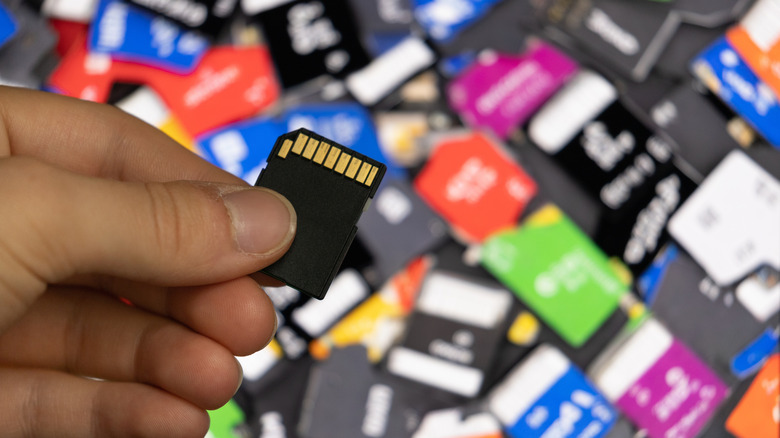
When you browse camera memory card types, the label density can be overwhelming. As an editor, I often see photographers focus on the large number on the front of the packaging—usually the "up to" read speed. However, for a professional mirrorless camera workflow, the read speed is almost irrelevant compared to the sustained write speed. This is where Video Speed Class V90 becomes the gold standard for SD media.
The current market is divided into two primary bus interfaces: UHS-I and UHS-II. While UHS-I cards max out at around 104MB/s, UHS-II cards utilize a second row of pins to achieve speeds up to 312MB/s. This is crucial for burst mode photography where the camera's internal buffer needs to clear quickly to allow for the next sequence of shots. If you are shooting a wedding or a sports event, a slow card acts as a bottleneck, locking your camera controls while the data trickles into the storage.
For those recording high-bitrate media, the best sd cards for 4k video recording must carry a V60 or V90 rating. These ratings guarantee that the card will never drop below 60MB/s or 90MB/s of write speed consistency. Without this, you risk the camera stopping the recording abruptly or, worse, saving a corrupted file. As modern sensors push into 8K territory, the difference between cfexpress vs sd cards for photography becomes clearer. CFexpress cards, which use PCIE lanes, offer a significant jump in speed, often exceeding 1,500MB/s, making them essential for high-end cinema workflows and workflow redundancy when combined with a secondary SD slot.
The Reliable Brand Rankings: Who Professionals Swear By
Reliability is the most elusive metric in gear reviews. In a large-scale survey of 4,344 photographers, approximately 47% of respondents reported experiencing a memory card failure at some point in their career. This staggering statistic is why I always prioritize most reliable sd card brands for professional photographers over the cheapest options.
Sony: The Durability Standard
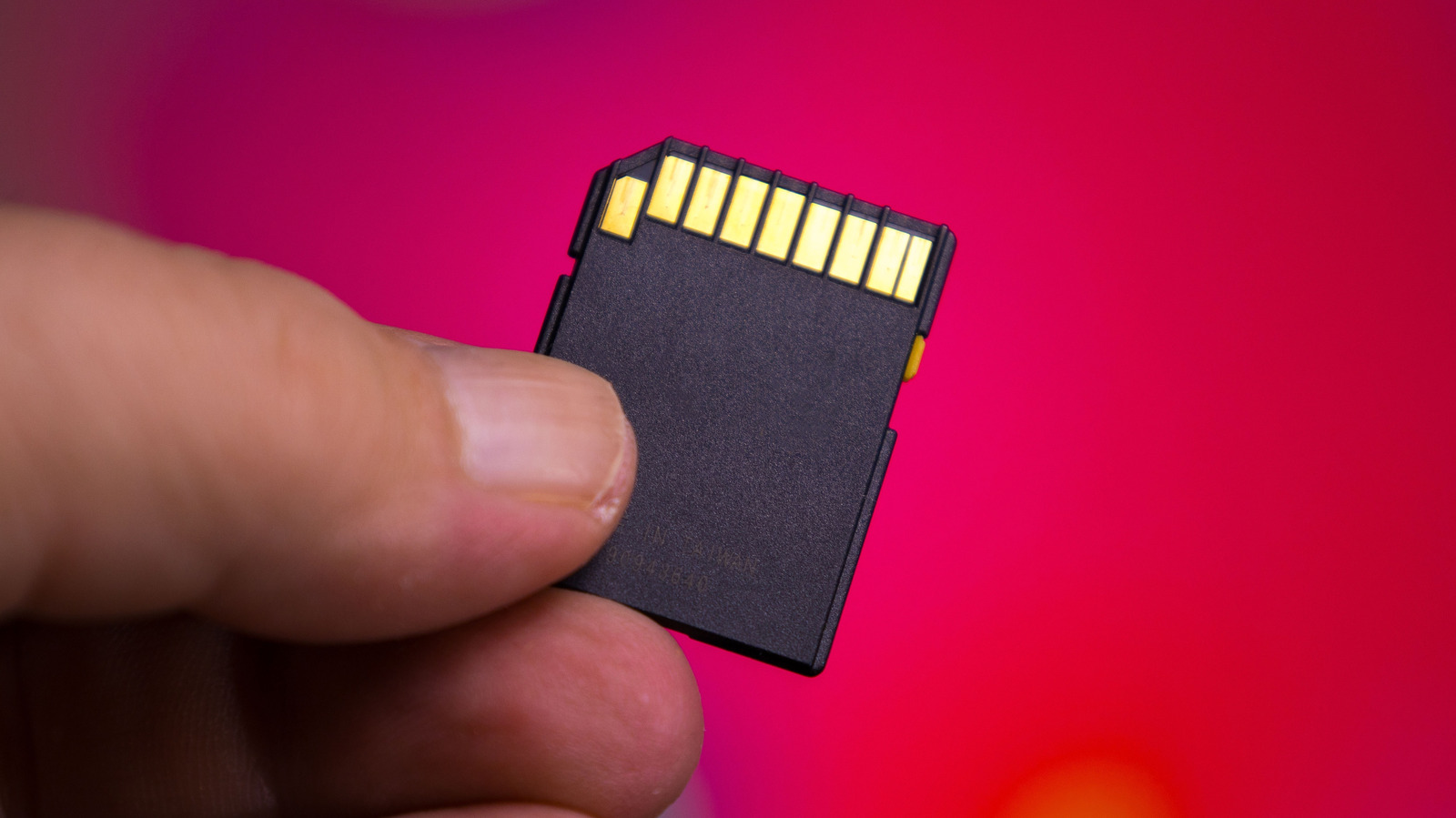
Sony’s Tough line has redefined what we expect from environmental resistance. Standard SD cards are held together by glue and thin plastic ribs that can easily snap off and get lodged in your camera’s card slot. The Tough series uses a monolithic, ribless, and switchless design that is 18 times stronger than standard cards. If you frequently shoot in humid, dusty, or high-vibration environments, memory cards for sony camera systems—and indeed any system accepting SD—should ideally be from this lineup.
ProGrade Digital & Delkin Devices
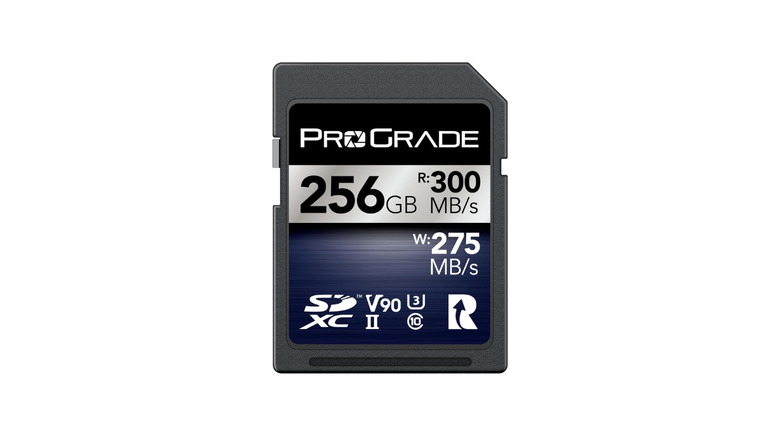
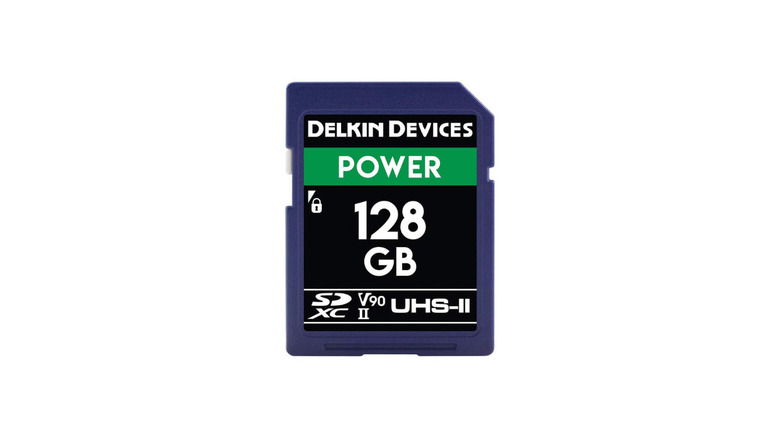
Founded by former executives from Lexar and SanDisk, ProGrade Digital focuses exclusively on the needs of high-end professionals. Their cards are rigorously tested and feature sophisticated flash controller technology to ensure peak performance. Similarly, Delkin Devices has become a favorite for those utilizing CFexpress Type B, offering a lifetime warranty and a "48-hour replacement" guarantee on their Power and Black series cards. These brands prioritize data integrity and file corruption prevention above all else.
SanDisk: The Market Leader
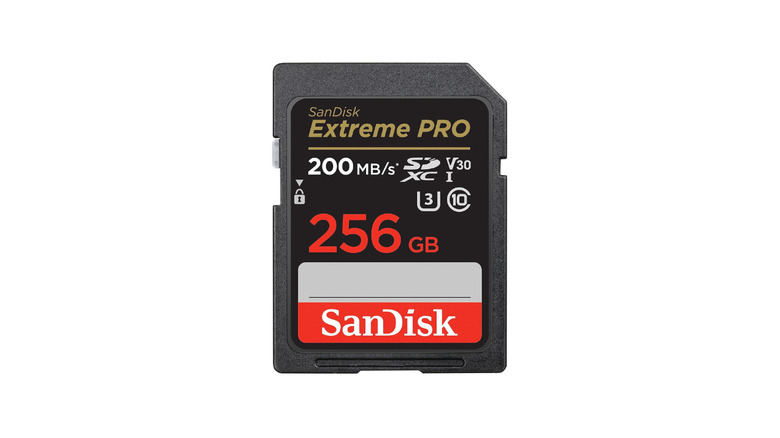
SanDisk remains a dominant manufacturer in the memory card market, holding a market share estimated at approximately 47% to 48%. Because of this ubiquity, their cards are tested against every camera body imaginable, ensuring maximum compatibility. While they are a safe bet for most, I recommend their Extreme Pro line for anyone doing serious work.
Nina’s Professional Tip: Never buy memory cards from unverified third-party sellers on marketplaces. Counterfeit cards that misreport their capacity are a leading cause of data loss in the photography industry.
Compatibility Guide: SD Card for Camera Canon, Sony, and Nikon
Matching the card to the camera is no longer a simple task. Depending on your brand preference, you might be dealing with three different physical formats. When choosing an sd card for camera canon systems like the R5 or R6, you must recognize that while they look similar, the performance needs vary wildly based on the resolution of your sensor.
| Camera Model | Primary Slot | Secondary Slot | Best Use Case |
|---|---|---|---|
| Canon EOS R5 II | CFexpress Type B | SD (UHS-II) | 8K Video / High-Res Wildlife |
| Sony A7R V | CFexpress Type A/SD | CFexpress Type A/SD | Commercial Photography |
| Nikon Z9 | CFexpress Type B | CFexpress Type B | Sports & Photojournalism |
| Lumix S5IIX | SD (UHS-II) | SD (UHS-II) | Documentary Filmmaking |
One question I hear frequently is: how much do camera memory cards cost today? In 2026, you can expect to pay around $180 to $250 for a high-quality 256GB V90 SD card. CFexpress cards are generally more expensive but offer a better price-per-gigabyte ratio at higher capacities.
Many new users ask, are camera memory cards universal? While the SD form factor is standard, a UHS-I card in a camera designed for 8K video will cause the buffer management system to fail, leading to an unusable shooting experience. Always check your manual for the required speed class, particularly the V-rating, before investing.
Pro Workflow: Preventing Corruption and Spotting Fakes
Even the best camera memory cards can fail if they aren't handled correctly. Industry data indicates that while the vast majority of memory cards are reliable, certain individual card models have historically demonstrated failure rates as high as 17%. This is often due to internal component changes that happen during a production run without changing the model number.
To protect your work, I recommend a dual slot recording strategy. Configure your camera to write the same data to both slots simultaneously. This backup mode ensures that if one card suffers a hardware failure, you have an identical copy on the second card. This is non-negotiable for wedding and event photographers who cannot recreate a missed moment.
How to Spot a Fake SD Card
- Physical Inspection: Check for misaligned printing, blurry logos, or plastic that feels unusually light.
- Speed Test: Use BlackMagic Disk Speed Test on Mac or CrystalDiskMark on Windows. Fakes will rarely hit their advertised speeds.
- Verify Capacity: Run H2testw on the full card. Many fakes are programmed to report 512GB but actually only contain 16GB of flash memory, overwriting your data once that limit is reached.
By maintaining a disciplined formatting ritual—formatting the card in the camera it will be used in every time you clear it—you reduce the risk of file system errors. Avoid deleting images one by one in-camera, as this can lead to fragmentation. Instead, dump the files to your computer, verify the transfer, and then format the card fresh for the next shoot.
FAQ
What are the best memory cards for cameras?
The best cards currently are the Sony Tough series for physical durability, ProGrade Digital for consistent high-bitrate video performance, and the SanDisk Extreme Pro series for general reliability across most DSLR and mirrorless platforms. For those needing the fastest speeds possible, CFexpress Type B cards from Delkin or Lexar are the preferred choice.
How do I know which SD card to get for my camera?
Verify two things: the physical slot type (SD vs. CFexpress) and the required speed class. If you shoot video, look for a V-rating (like V60 or V90) on the card that matches your camera’s recording bitrate. For high-resolution photography, ensure the card is UHS-II compatible to handle large file transfers quickly.
Are all memory cards for cameras the same?
No, they vary by physical size, bus interface (UHS-I vs UHS-II), and sustained write speeds. While many look identical on the outside, their internal components—specifically the controller and flash NAND quality—determine how reliable they will be during high-stress professional work and how well they resist data corruption.
Why are SD cards being phased out?
SD cards are not being phased out entirely, but they are being replaced in high-end professional workflows by CFexpress. This is because the SD interface has hit a physical limit in terms of heat dissipation and data transfer speeds. CFexpress uses PCIE technology, which is faster and more robust for 8K video and rapid burst shooting.
Do all SD cards fit in all cameras?
Technically, most SD cards will physically fit into any SD slot, but they are not always functional. A high-speed UHS-II card will work in an older UHS-I camera at slower speeds, but a slow UHS-I card may not be able to record video or handle bursts in a modern high-resolution mirrorless camera, leading to errors or dropped frames.