Quick Facts
- Diagnostic: Scratches are cosmetic, while cracks are structural and require immediate replacement to prevent total display failure.
- Best DIY Fix: Applying a high-quality tempered glass screen protector ($10-$20) is the most effective way to hide iphone screen scratches at home.
- Professional Method: Certified technicians use water-mill polishing with cerium oxide to mechanically level the glass surface.
- Cost Comparison: Screen repair costs $29 with AppleCare+ versus $329 or more for out-of-warranty replacements on newer models.
- Warning: Using household abrasives like toothpaste or baking soda will permanently strip the oleophobic coating without fixing the glass.
- Warranty Risk: Third-party mechanical polishing can restore aesthetics but may void your official iphone screen repair warranty or compromise water resistance.
Surface-level iphone scratch removal can be achieved through professional water-mill polishing using machines like the REFOX or TBK series. These specialized systems utilize cerium oxide abrasive compounds to carefully grind down the glass surface and restore optical clarity. However, for minor hairline scratches, applying a tempered glass screen protector is often the safest and most cost-effective solution, as the liquid adhesive fills surface gaps to make abrasions nearly invisible.
Understanding iPhone Glass: Scratches vs. Cracks
As someone who has tested every iteration of the iPhone, I have watched the evolution of glass technology closely. Modern iPhones utilize Ceramic Shield, a material that embeds nano-ceramic crystals within the glass matrix to improve drop performance. While this makes the screen incredibly tough against shattering, it does not make it immune to the elements of the real world.
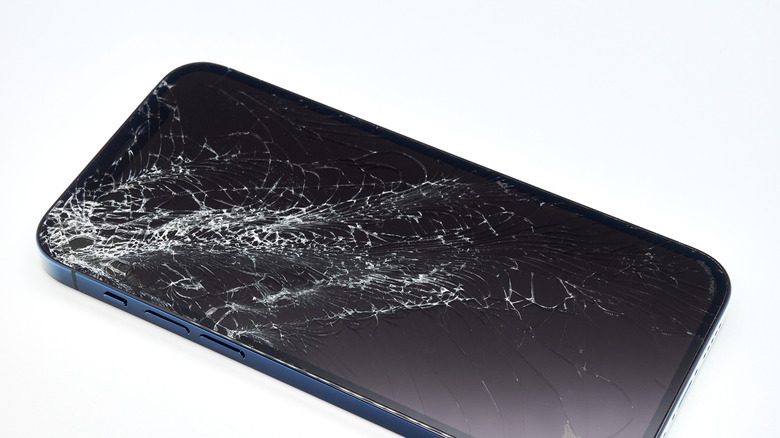
When we talk about damage, we have to distinguish between a cosmetic scratch and a structural crack. Based on technical testing, Ceramic Shield technology typically begins to exhibit visible scratches at Mohs hardness level 6, which is roughly the hardness of sand or quartz. Once you hit Mohs level 7, you begin to see deeper, tactile grooves. These deeper marks are more than just an eyesore; they can compromise the structural integrity of the display and affect the water resistance of the device. If a scratch is deep enough to be felt with a fingernail, it usually indicates that the protective layers have been fully penetrated.
DIY Myths: Toothpaste, Baking Soda, and the Risks
The internet is full of "life hacks" claiming that household items can perform iphone scratch removal. As an editor, I cannot stress this enough: stay away from the toothpaste and baking soda. These suggestions are based on the idea that mild abrasives can buff out a scratch, but phone glass is far harder than the plastic screens of the early 2000s.
Attempting to buff out screen scratches with abrasive household materials like toothpaste or baking soda can permanently damage the factory-applied oleophobic coating. This coating is a lipophobic (oil-repellent) layer that prevents your screen from becoming a greasy mess of fingerprints. Once you scrub it away with calcium carbonate or bicarbonate of soda, your screen will feel "sticky" to the touch and will be significantly harder to keep clean.
Caution: The Abrasive Trap
Never use abrasive powders, car wax, or heavy-duty glass polish on your iPhone. These materials are designed for surfaces much softer or thicker than the specialized glass on a smartphone. Most DIY "polishing" attempts result in a dull, hazy patch on the screen that is far more distracting than the original scratch.
If you are looking for a way of fixing iphone hairline scratches at home, your best bet is to "hide" rather than "heal." Many users find success when they learn how to hide iphone screen scratches with screen protector. High-quality tempered glass protectors often use a layer of silicone-based liquid adhesive. When applied, this adhesive flows into the micro-abrasions, effectively "filling" the scratch. Because the adhesive and the glass have similar refractive indices, the scratch becomes virtually invisible once the protector is cured.
Professional Solutions: Water-Mill Polishing Machines
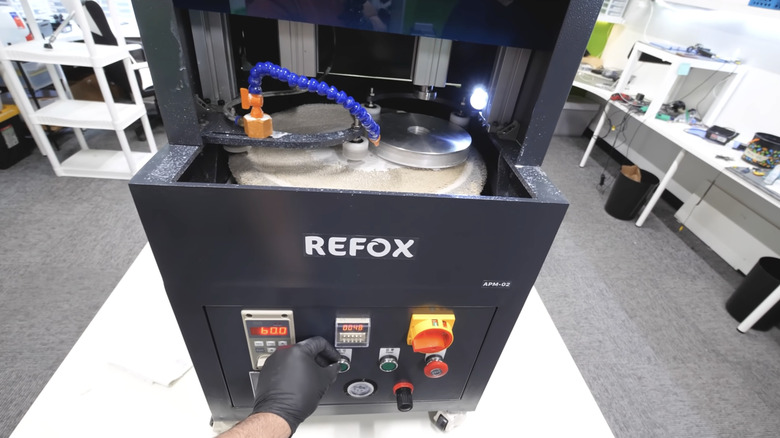
For those who want a like-new finish without replacing the entire display, professional water-mill polishing is the industry standard. This is not a process you can do at home; it requires a specialized iphone screen polishing machine such as those produced by TBK or REFOX.
The process involves several precise steps:
- Assessment and Waterproofing: The technician seals the frame, buttons, and speaker grilles with specialized UV glue to prevent moisture from entering the chassis.
- Grinding: The device is placed in the machine, which uses a rotating pad and a slurry of water and cerium oxide. This compound is chosen for its ability to produce high optical clarity by mechanically leveling the glass.
- Polishing: A finer grade of abrasive is used to bring the glass back to its original luster, removing any micro-abrasions created during the grinding phase.
- Re-coating: Since the process removes the factory oleophobic coating, a professional shop will apply a new vacuum-plated oil-repellent layer to restore the original feel.
While effective, this method is not without its caveats. Many experts warn about third party iphone screen polishing face id risks. If the waterproof seal fails during the process, water or polishing compound can enter the TrueDepth camera system, permanently disabling Face ID. Furthermore, because this process involves thinning the glass—even if only by microns—it can theoretically make the screen more susceptible to future impacts.
Cost Analysis: Repair vs. Replacement
Deciding whether to attempt iphone scratch removal or go for a full replacement usually comes down to economics. If you have AppleCare+, the decision is easy. However, for those out of warranty, the cost can be staggering.
| Service Type | Estimated Cost | Best For | Warranty Impact |
|---|---|---|---|
| AppleCare+ Screen Repair | $29 | Any crack or deep scratch | Maintains full warranty |
| Out-of-Warranty Replacement | $329 - $379 | Deep grooves, cracks, OLED damage | Restores factory status |
| Professional Polishing | $60 - $120 | Cosmetic hairline scratches only | Usually voids Apple warranty |
| DIY Screen Protector | $10 - $25 | Hiding minor micro-abrasions | None |
When considering iphone screen scratch removal cost vs replacement, remember that polishing is only for cosmetic issues. If the scratch is deep enough that you are asking can iphone screen polishing remove deep scratches, the answer is usually no. Polishing deep grooves requires removing too much glass, which significantly weakens the display and risks hitting the digitizer layer.
FAQ
Does toothpaste actually fix scratches on phone glass?
No, toothpaste cannot fix scratches on modern smartphone glass. Toothpaste contains mild abrasives that are designed to clean teeth, but they are not hard enough to level Ceramic Shield glass. Instead, the abrasives will simply strip away the oleophobic coating, leaving a dull spot on your screen that attracts more fingerprints and oils.
Will a screen protector hide existing scratches?
Yes, a high-quality tempered glass screen protector is the best way to hide iphone screen scratches. The silicone adhesive on the back of the protector fills in the gaps of hairline scratches. Once the protector is applied, the light refracts through the glass and adhesive evenly, making most light-to-medium scratches disappear from view.
Does AppleCare cover cosmetic scratches on the screen?
Generally, AppleCare+ does not cover purely cosmetic damage, such as hairline scratches that do not affect the functionality of the device. However, if the screen is cracked or the scratch is deep enough to interfere with the touch sensors, it qualifies for the $29 screen replacement deductible. Many users wait until a more significant crack occurs before utilizing their AppleCare+ coverage.
How much does it cost to fix a scratched iPhone screen?
The cost varies significantly based on the method. A DIY screen protector costs under $20. Professional polishing services typically charge between $60 and $120 depending on the model. If you opt for a full screen replacement through Apple without insurance, you can expect to pay upwards of $329 for newer models like the iPhone 15 Pro.
Can deep scratches be removed from an iPhone without replacing the glass?
Deep scratches that can be felt with a fingernail generally cannot be safely removed through polishing. Removing enough glass to level a deep scratch would thin the screen to a dangerous degree, compromising its impact resistance and potentially damaging the underlying display components. For deep grooves, a full screen replacement is the only reliable fix.