Quick Facts
- Latency: Wired offers effectively 0ms of delay compared to 150ms+ on standard Bluetooth connections.
- Audio Quality: Pure analog signals support lossless high-resolution audio up to 24-bit/192kHz.
- Lifespan: Wired gear can last 10 to 20 years because there are no internal batteries to degrade.
- Reliability: Instant plug-and-play connectivity with zero interference or pairing frustrations.
- Value: You pay for better drivers and acoustic engineering rather than Bluetooth chips and batteries.
- Sustainability: Eliminates the e-waste associated with lithium-ion batteries that die after a few hundred cycles.
Wired headphones provide superior audio fidelity by transmitting analog signals without the data compression or packet loss common in Bluetooth streams. Because they rely on a direct physical connection rather than wireless codecs, they offer consistent, lossless playback that preserves the full detail of the original recording, making them the preferred choice for professional monitoring and audiophile listening.
Reason 1: Unmatched Audio Fidelity and Lossless Playback
In my years of testing top-tier audio gear, one truth remains absolute: the air is a messy place for data. Wireless headphones rely on codecs like AAC, aptX, or LDAC to squeeze high-resolution files through a narrow Bluetooth pipe. Even the industry-leading LDAC codec is limited to a maximum bitrate of 990 kbps, which is still a lossy compression method compared to the original studio master.
When you switch to wired headphones, you bypass these digital bottlenecks entirely. A high-quality copper or silver cable transmits an analog signal that supports uncompressed high-resolution audio at bit depths and sampling rates up to 24-bit/192kHz. This preserves the micro-details—the subtle breath of a vocalist, the natural decay of a piano note, and the spatial positioning within the soundstage.
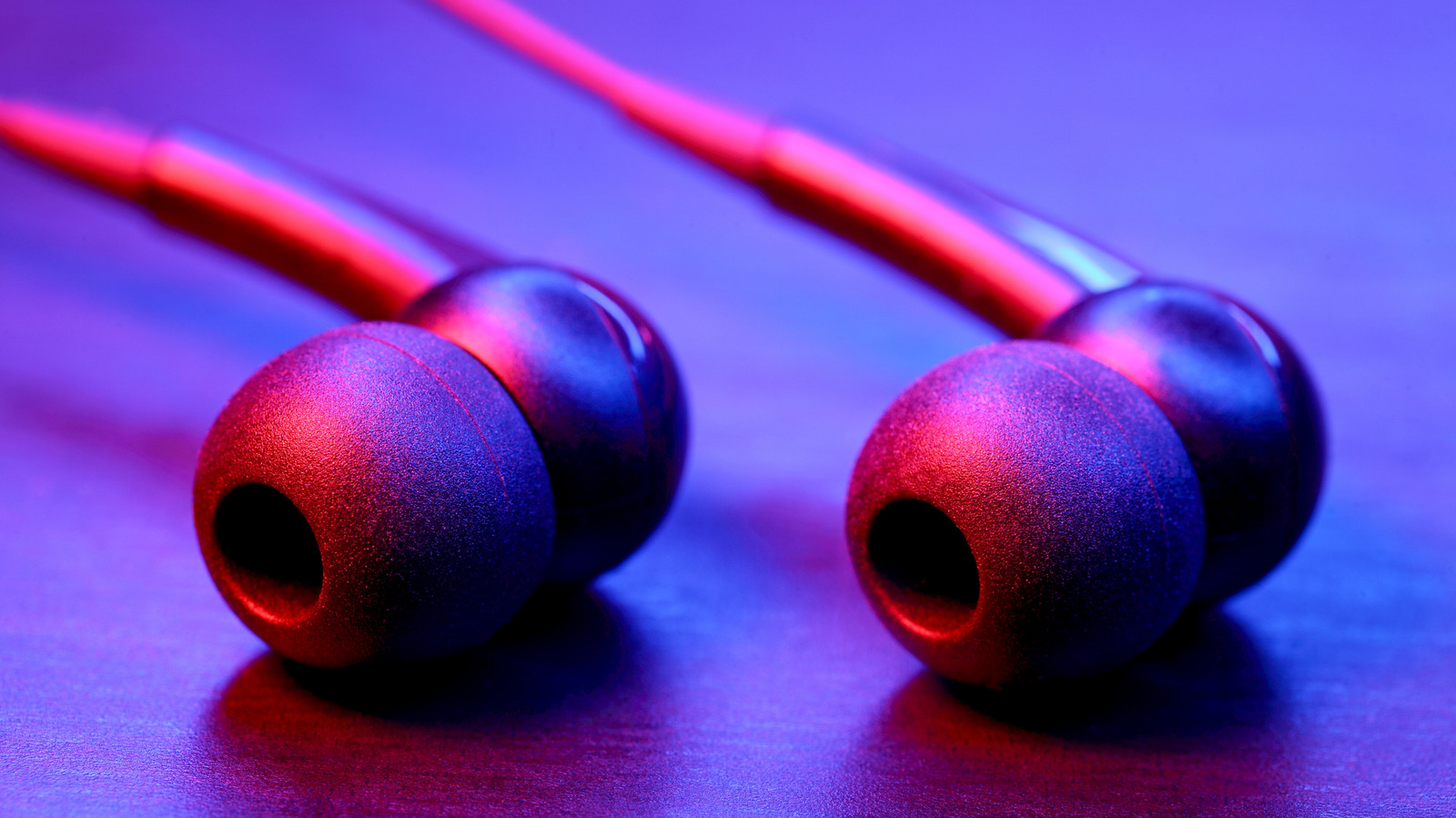
We have found that even the best wired earbuds headphones, often costing significantly less than flagship wireless models, offer a more transparent audiophile experience. This is because the signal remains bit-perfect from the source to the driver. When you remove signal compression from the equation, you are finally hearing the music as the artist and engineer intended in the recording studio.
Reason 2: Zero Latency for Pro Gaming and Production
For anyone involved in competitive play or content creation, timing isn't just important—it is everything. The most frustrating aspect of Bluetooth is the inherent lag between the action on screen and the sound in your ears. Our measurements show that standard Bluetooth audio typically introduces 100 to 300 milliseconds of latency. In a fast-paced shooter, that quarter-second delay is essentially the difference between hearing a footstep and being sent back to the lobby.
In contrast, wired connections provide near-instantaneous transmission with a delay of less than 10 milliseconds. This zero latency occurs because the electrical signal travels through the cable at nearly the speed of light. For gaming headphones wired to a console or PC, this provides a tactile, real-time feedback loop that wireless tech simply cannot replicate.
This hardware advantage is equally critical for professional monitoring and music production. When editing video or tracking vocals, even a tiny desync can disrupt your creative flow. This is why you will see wired headphones for computer workstations in every professional studio in the world. A plug-and-play connection ensures that what you see is exactly what you hear, every single time.
Reason 3: Longevity and Sustainability (The Death of Batteries)
We need to talk about the "expiration date" on wireless tech. Almost every wireless pair on the market is powered by a small lithium-ion battery. These batteries have a finite chemistry, typically lasting between 300 to 500 charge cycles before their capacity begins to tank. For a daily commuter, this means your $400 headphones may become effectively useless in three to five years.
Wired headphones are a different story. Because they don't require an internal power source, there is no battery degradation to worry about. I still have a pair of studio-standard monitors from the early 2000s that sound just as good today as they did twenty years ago. When you choose long lasting headphones without battery components, you are investing in a piece of hardware that can stay with you for decades.
This contributes significantly to longevity and sustainability. Every time a pair of wireless buds is thrown away because the battery won't hold a charge, it adds to the growing problem of global e-waste. By choosing wired gear, you reduce your environmental footprint while securing a reliable tool that never needs to be plugged into a wall outlet to stay alive.
Reason 4: Zero Friction and The 'Reconnection Tax'
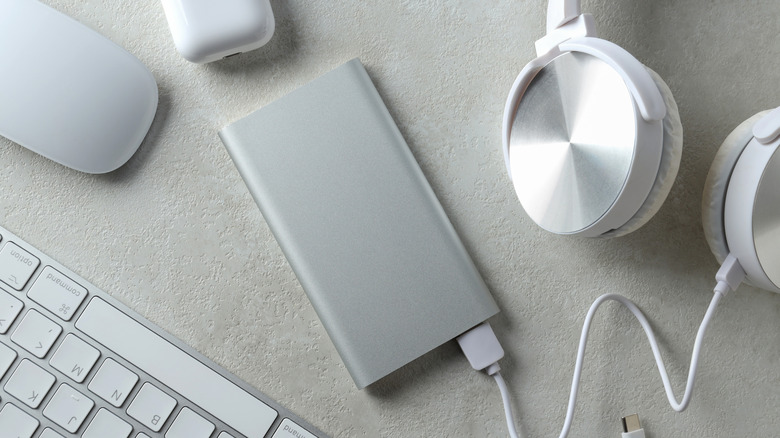
There is a psychological load to wireless living that we often ignore—I call it the reconnection tax. It starts with the "battery low" chime in the middle of a favorite song, followed by the ritual of digging through settings menus to pair a device that was working perfectly five minutes ago. Then there is the local interference; in a crowded subway or office, Bluetooth signals often stutter or drop entirely.
Wired headphones offer an elegant solution: zero friction. The experience is purely plug-and-play. There are no firmware updates to download, no apps to install, and no interference-free channels to hunt for. Whether you are using wired headphones with mic for a high-stakes Zoom call or just relaxing at home, the physical link is a guarantee of service.
In our testing, the simplicity of a cable leads to a more intentional listening ritual. You aren't distracted by notifications about battery percentages or connection drops. You just plug in and disappear into the sound. It sounds old-school, but in 2026, there is nothing more luxurious than technology that simply works without needing your attention.
Reason 5: Better Hardware for Your Money
When you buy a pair of wireless headphones, a significant portion of your money isn't going toward sound quality. You are paying for the Bluetooth antenna, the digital-to-analog converter (DAC) chip, the internal amplifiers, and the battery. In a $300 wireless pair, the actual acoustic drivers—the parts that actually make the sound—might only represent $50 of the total manufacturing cost.
With wired headphones, almost 100% of the engineering budget is focused on the drivers and the acoustic chamber. This is why a $150 pair of open-back wired cans will almost always outperform a $400 wireless flagship in terms of clarity and instrument separation. You are essentially getting more "audio" for every dollar spent.
Furthermore, wired gear allows you to upgrade your chain piece by piece. You can start with a pair of highly-regarded in-ear monitors and later add an external digital-to-analog converter to further refine the sound. Even specialty features like noise canceling wired headphones offer a more stable performance because the active noise cancellation circuitry isn't competing with a wireless radio for power.
Solving Modern Connections: Adapters and Type C
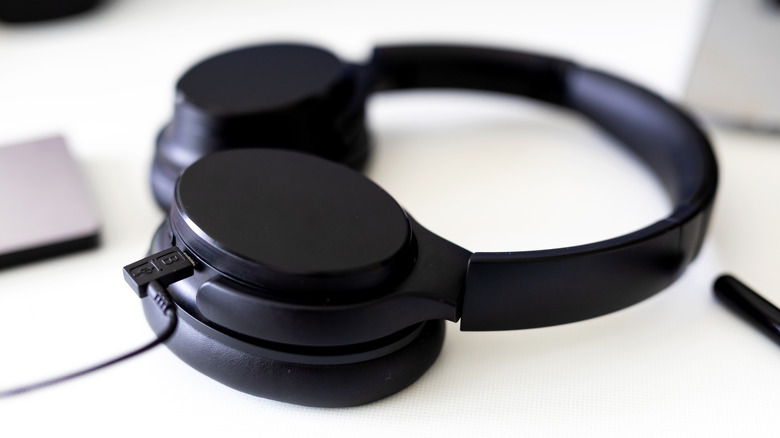
The most common argument against going wired today is the lack of a 3.5mm auxiliary jack on modern smartphones. However, the industry has adapted. We are seeing a massive surge in wired headphones type c options that plug directly into your phone or laptop. These models often include an integrated high-resolution DAC within the connector, ensuring you get better sound than the phone's internal hardware could ever provide.
For those who want to keep their existing premium headphones, "dongle DACs" have become the audiophile's best friend. These tiny adapters bridge the gap between your digital port and your analog cable while actually improving audio fidelity. It is a small trade-off for the massive gain in reliability and sound quality.
FAQ
Why are Gen Z wearing wired headphones?
The return to wired gear among Gen Z is a mix of aesthetic choice and practical rebellion. Many younger users find the "white stem" look of wireless buds to be corporate and generic. Wired headphones have become a fashion statement that signals a certain "analog" cool, much like film photography or vinyl records. Beyond the look, many have also grown tired of the constant charging and connectivity issues standard in cheap wireless clones.
Why is everyone going back to wired headphones?
The shift back to wired is largely driven by "tech fatigue." People are realizing that not every device in their life needs to be "smart" or rechargeable. There is a growing appreciation for the reliability and superior sound quality that only a physical cable can provide. Additionally, as high-resolution streaming services like Tidal and Apple Music become the norm, listeners want a connection that doesn't compress the life out of their music.
Is it healthier to use wired headphones?
While major health organizations state that Bluetooth radiation is well within safe limits, some people prefer wired headphones to minimize exposure to electromagnetic fields (EMF) near the head. From a pure physiological standpoint, the biggest health benefit of wired gear is often the "intentionality" it brings—wired listeners tend to listen at lower, safer volumes because the signal is cleaner and clearer, reducing the need to crank the volume to overcome compression artifacts.
What is a good wired headphone?
A "good" choice depends on your use case, but for beginners, the Sony MDR-7506 is a legendary studio staple that offers incredible durability and accuracy. If you are looking for an immersive home listening experience, the Sennheiser HD600 series remains the gold standard for many audiophiles. For those on a budget, modern in-ear monitors (IEMs) provide professional-grade sound for less than the price of a tank of gas.
Choosing Your Forever Pair
Standing at the crossroads of audio technology, it is easy to be seduced by the marketing of a wireless future. But as we have seen, that future often comes with compromises in sound depth, battery anxiety, and inevitable obsolescence. Investing in best wired headphones is a commitment to quality over convenience.
Whether you are seeking the bit-perfect audio fidelity of a lossless recording or the zero latency response needed for competitive gaming, the cable remains the most powerful tool in your audio arsenal. It is time to stop worrying about your battery percentage and start focusing on the music. Quality audio is a ritual, and there is no better way to honor that ritual than with a high-performance, long-lasting hardline connection. Select a pair that feels right, plug them in, and rediscover what high-fidelity actually sounds like.