Quick Facts
- Charging Benchmark: Standard 20W to 30W charging speeds achieve a 50% battery boost in just 30 minutes for most flagship devices.
- Transfer Speed: High-end SD card readers now support UHS-II standards with data transfer rates reaching 312 MB/s.
- Display Output: Most modern USB-C ports support DisplayPort Alt Mode, enabling native 4K video output to external monitors.
- Audio Quality: External USB-C DACs provide 24-bit/96kHz Hi-Fi audio quality, far surpassing the capabilities of standard wireless earbuds.
- Market Adoption: As of 2023, nearly 80% of smartphones worldwide have adopted USB-C as their primary interface.
- Connectivity: USB-C hubs allow for simultaneous connection of HDMI, Ethernet, and USB-A peripherals while utilizing pass-through charging.
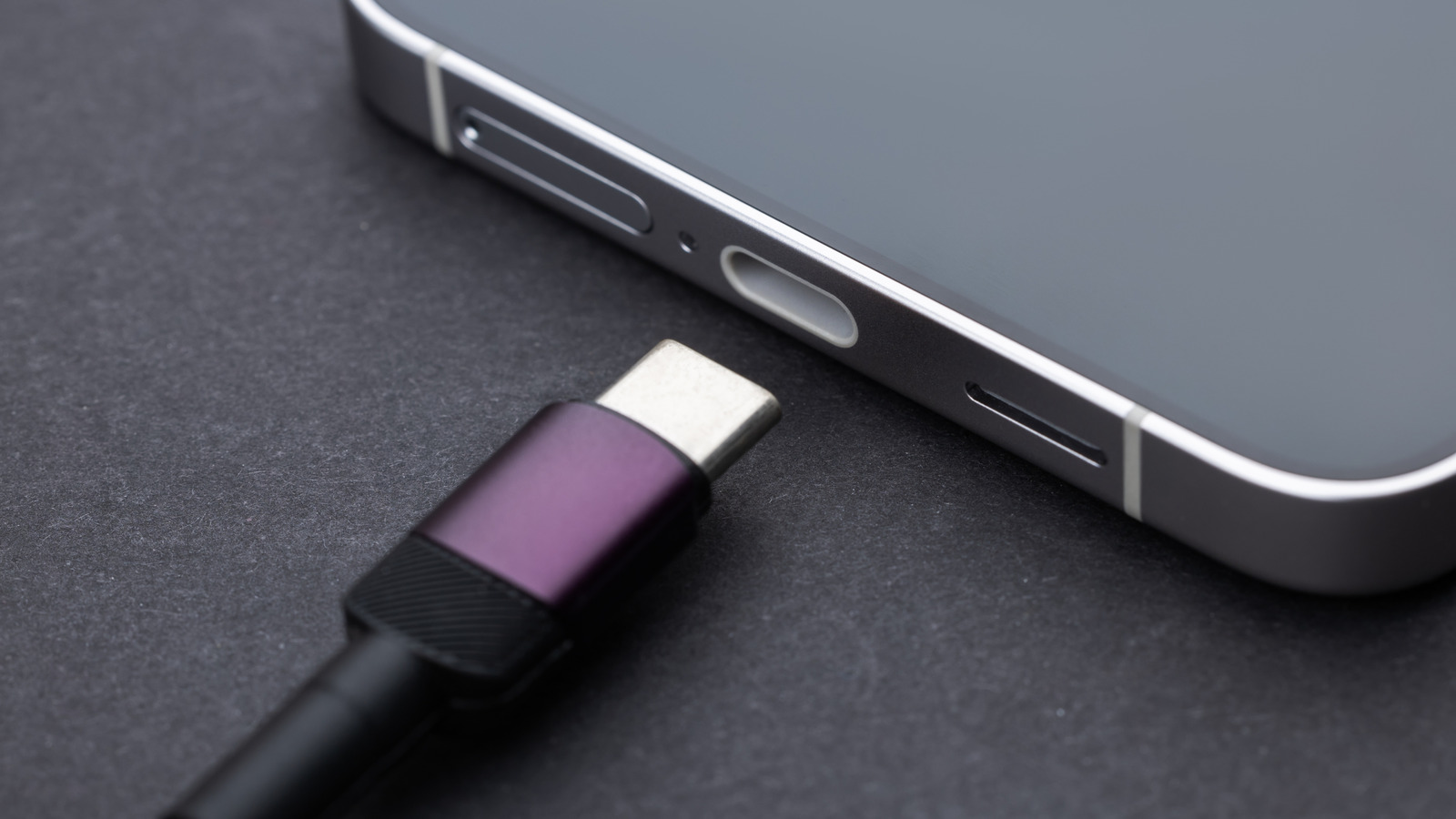
The best USB-C phone gadgets for 2026 include high-speed SD card readers for external storage, cardioid microphones for content creation, and multi-port docking stations that enable mobile workstation productivity through Power Delivery and HDMI output. These peripherals allow users to capture 4K video directly to external media and maintain ergonomic viewing angles while fast-charging through Power Delivery protocols.
Modern smartphones are more than just communication tools; they are pocket-sized computers. By utilizing high-quality USB-C phone gadgets, you can transform your device into a professional camera, a desktop workstation, or a gaming console. In 2026, the adoption of advanced protocols like Power Delivery and High-speed data sync has made these peripherals more powerful than ever. We have reached a point where mobile phones represent approximately 65.44% of the total global market demand for USB Type-C technology, a figure that continues to grow as we ditch proprietary connectors for a universal standard.
Professional Content Creation: High-Speed Storage and Audio
For many of us, the smartphone has replaced the dedicated DSLR. However, filming in 4K or using 4K ProRes capture creates a massive problem: storage. A single minute of ProRes footage can eat up gigabytes of internal space. This is where high-speed SD card readers become essential USB-C phone gadgets. By plugging a reader directly into your port, you can offload files instantly or even record directly to the card on supported models like the iPhone 16. This is the most efficient way regarding how to add external storage to phone with USB-C SD card reader without relying on slow cloud uploads.
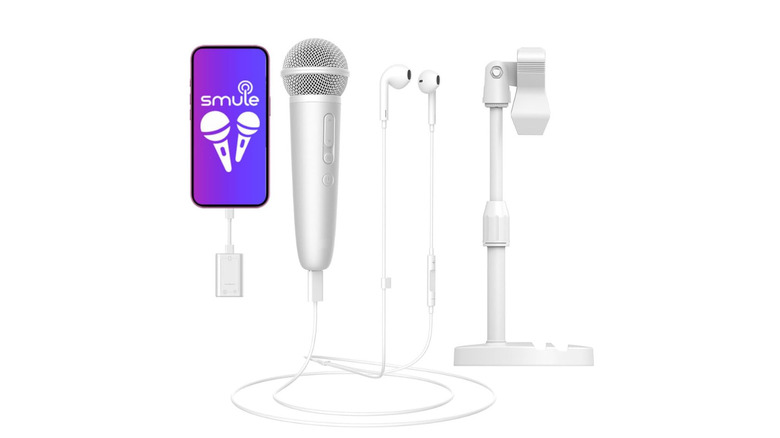
We also have to talk about audio. The built-in microphones on even the most expensive flagships struggle with background noise. Using USB-C microphones for mobile content creation changes the game for vloggers and podcasters. These cardioid microphones focus on your voice while ignoring the surrounding chaos. Because they use a digital connection, they avoid the hiss often found in older analog adapters. Whether you are setting up a professional live streaming setup or just recording a quick interview, the reliability of a wired connection ensures your audio matches your high-definition video.
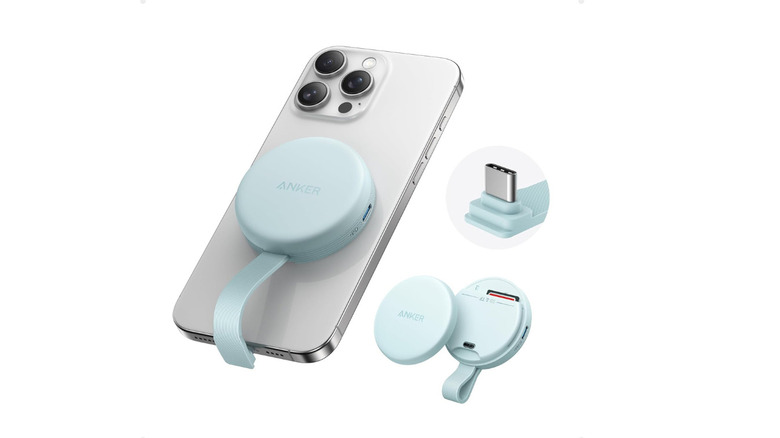
Managing these USB-C smartphone accessories requires a bit of planning. You want tools that support USB On-The-Go (OTG) to ensure your phone recognizes the hardware the moment it is plugged in. In our testing, the latest generation of readers and mics are essentially plug-and-play, requiring no extra apps to function.
| Protocol | Typical Max Speed | Best Use Case |
|---|---|---|
| USB 2.0 | 480 Mbps | Basic charging and keyboard/mouse |
| USB 3.2 Gen 1 | 5 Gbps | Fast file transfers and 1080p video |
| USB 3.2 Gen 2 | 10 Gbps | 4K video editing and SSD storage |
| USB 4 / Thunderbolt | 40 Gbps | High-end mobile workstation productivity |
The Mobile Workstation: Docking Stations and Productivity
The dream of using a phone as a primary computer is finally a reality in 2026. If you own a device with Samsung DeX compatibility or a similar desktop mode, USB-C phone port expanders are your best friends. By using USB-C docking stations for connecting phones to external displays, you can turn a hotel room or a coffee shop into a full office. These hubs provide HDMI ports, multiple USB slots for a keyboard and mouse, and even an Ethernet port for stable internet during video calls.
When selecting USB-C hubs for Android productivity and desk setups, look for models that offer pass-through charging. This feature allows you to plug your phone charger into the hub, which then powers both the hub's peripherals and your phone simultaneously. Without this, your battery would drain rapidly while driving an external 4K monitor. The ability to multitask across different apps on a large screen makes these hubs one of the best mobile USB-C peripherals for digital nomads and traveling professionals.
Competitive Mobile Gaming: Low-Latency Controllers
Gaming on a touchscreen is fine for casual puzzles, but for competitive titles, you need tactile feedback. While Bluetooth controllers are popular, they often suffer from millisecond delays that can cost you a match. This is why low latency USB-C gaming controllers for smartphones are the preferred choice for serious gamers. By connecting directly to the port, you eliminate wireless interference and input lag.
These USB-C phone gadgets often feature a "wrap-around" design that turns your phone into a handheld console. Many modern versions also include a 90-degree USB-C passthrough, allowing you to charge while you play without a cable poking into your palm. This plug-and-play functionality ensures that the controller works instantly with any game that supports physical inputs, from cloud gaming services to native mobile hits.
Audiophile Grade Sound: External DACs and Adapters
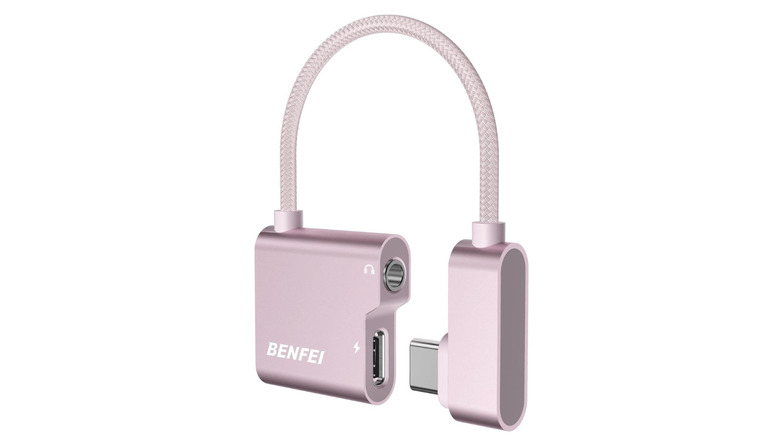
The disappearance of the 3.5mm headphone jack was a dark day for music lovers, but the industry has responded with better solutions. High-quality USB-C smartphone accessories now include portable DACs (Digital-to-Analog Converters). These tiny dongles contain an integrated DAC chip that bypasses the mediocre audio hardware inside your phone to deliver Hi-Fi audio quality.
If you own a pair of high-impedance wired headphones, a standard cheap adapter won't cut it. You need a dedicated USB-C DAC that can provide enough power to drive those drivers. These devices support lossless audio formats, providing a depth of sound that Bluetooth simply cannot replicate. For those who prioritize audio fidelity, these are non-negotiable additions to your mobile kit.
Next-Gen Power Solutions: GaN Chargers and PD Cables
The way we charge our devices has changed fundamentally thanks to GaN (Gallium Nitride) technology. These chargers are significantly smaller and more efficient than the old silicon-based bricks. When looking for the best USB-C phone gadgets for travel, a compact 65W or 100W GaN charger is a must-have. It can charge your phone, tablet, and even your laptop from a single, palm-sized device.
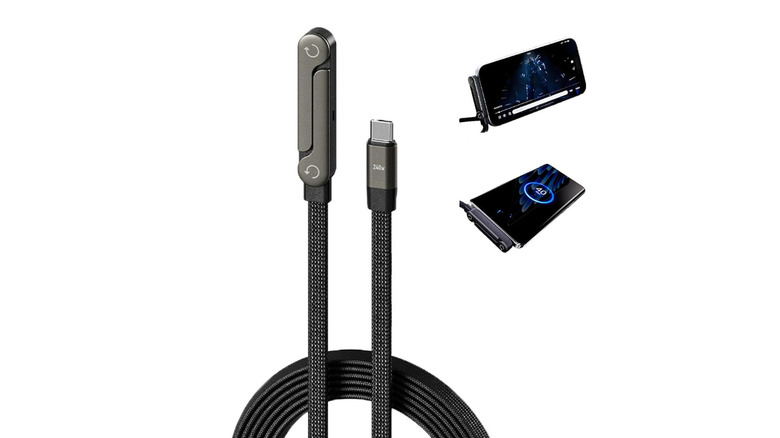
To make the most of these chargers, you need cables that support the Power Delivery protocol. In 2026, we are seeing cables capable of supporting charging speeds up to 240W in specific high-end devices. While your phone might only draw 30W or 45W, having a high-wattage cable ensures you are future-proofed for the next generation of hardware. Some innovative 2-in-1 cables even feature integrated stands, allowing you to prop up your phone at a perfect viewing angle while it fast-charges.
| Device Type | Ideal PD Wattage | 30-Min Charge Target |
|---|---|---|
| Standard Smartphone | 20W - 25W | 50% |
| Flagship / Pro Phone | 30W - 45W | 60%+ |
| Tablet / iPad Pro | 45W - 67W | 40% |
| Mobile Workstation Hub | 100W (Total) | N/A (Pass-through) |
Pro Tip: Always check if your cable is "E-Marked." For any charging speed above 60W, an E-Marker chip is required inside the cable to communicate safely with the Power Delivery protocol and prevent overheating.
FAQ
What are the most useful USB-C accessories for smartphones?
The most useful accessories depend on your lifestyle, but generally, a multi-port USB-C hub, a high-speed microSD card reader, and a portable GaN charger are considered the "big three." These tools cover productivity, storage, and power, which are the most common pain points for mobile users.
Can I use USB-C gadgets on both Android and iPhone?
Yes, since the transition of the iPhone to the USB-C port starting with the iPhone 15 series, most modern USB-C phone gadgets are cross-compatible. As long as the device supports standard protocols like Power Delivery or DisplayPort Alt Mode, it will work across both Android and iOS platforms.
How do I connect a USB-C phone to an external monitor?
You will need a USB-C to HDMI adapter or a docking station that supports DisplayPort Alt Mode. Simply plug the adapter into your phone and connect an HDMI cable to the monitor. If your phone supports a desktop interface like Samsung DeX or Motorola Ready For, the desktop environment will launch automatically.
Can you charge a phone while using a USB-C hub?
Yes, provided the hub supports pass-through charging. Look for a hub with a dedicated USB-C Power Delivery input port. You plug your wall charger into the hub, and the hub sends power to your phone while simultaneously connecting your other peripherals.
Are USB-C gaming controllers better than Bluetooth options?
For competitive gaming, yes. USB-C controllers offer a direct physical connection which results in zero input latency. They also don't require a separate battery or charging, as they draw a tiny amount of power directly from the phone's port, making them more reliable for long sessions.