Our Top Picks
- Best Overall Performance: ELAC Debut ConneX – A powerhouse that replaces a full receiver with integrated amplification and HDMI eARC, making it the best all-in-one choice.
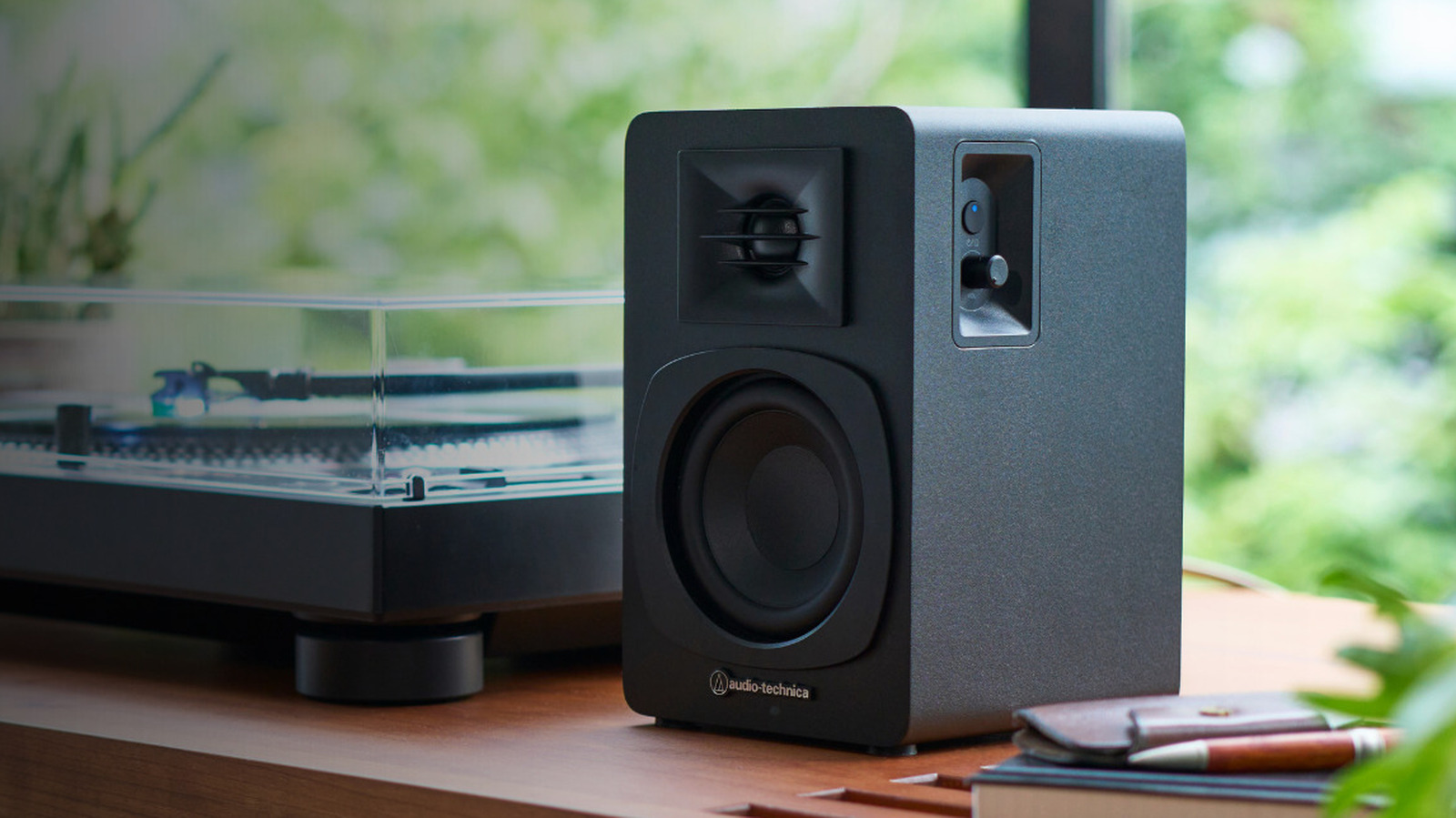
- Best for Small Apartments: Audio-Technica AT-SP3X – Offers impressive audio fidelity with a tiny footprint, perfect for a space-saving home audio setup on a desk.
- Best Hi-Fi Traditionalist: KEF Q150B – The go-to for passive bookshelf speakers, utilizing a Uni-Q driver for unrivaled soundstage imaging in a compact frame.
- Best for Modern Connectivity: Edifier M90 – Feature-rich with Bluetooth 6.0 and LDAC support, ideal for a wireless bookshelf speakers configuration.
- Best for Minimalist Aesthetics: DALI Kupid – High-end acoustic engineering meets sleek design, providing a warm, room-filling sound without the bulk.
Trading bulky floorstanding towers for sleek, compact bookshelf speakers doesn't mean sacrificing audio fidelity. Whether you are building a minimalist studio or a home theater in a small apartment, today's high-end audio engineering delivers room-filling sound in a tiny footprint.
Compact bookshelf speakers like the Audio-Technica AT-SP3X and DALI Kupid offer a space-saving alternative to bulky floorstanding units without sacrificing audio fidelity. These sleek models are ideal for small apartments or minimalist setups, providing high-quality sound through advanced acoustic engineering and integrated subwoofers within a smaller footprint.
| Model | Type | Driver Size | Connectivity | Key Strength |
|---|---|---|---|---|
| Audio-Technica AT-SP3X | Active | 3-inch | Bluetooth / RCA | Ultra-Compact Budget |
| ELAC Debut ConneX | Active | 4.5-inch | HDMI eARC / Phono | Television Integration |
| KEF Q150B | Passive | 5.25-inch | Binding Posts | Audiophile Imaging |
| Edifier M90 | Active | 4-inch | Bluetooth 6.0 / Optical | Wireless High-Res |
| DALI Kupid | Active | 4.5-inch | Bluetooth / RCA | Aesthetic & Warmth |
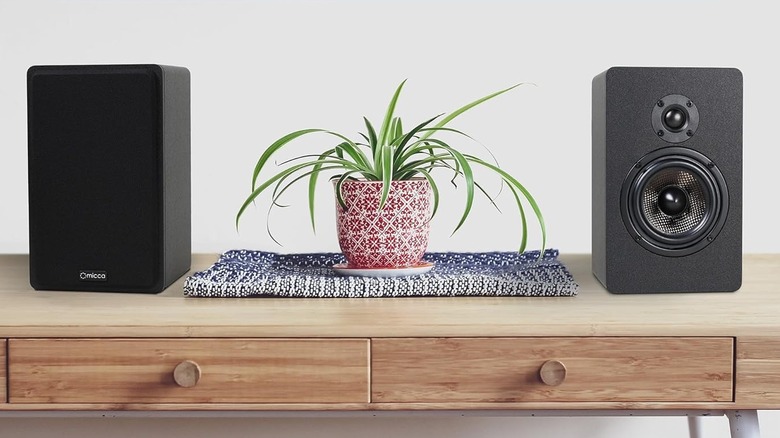
The landscape of home audio is shifting rapidly as urban living spaces become more compact. According to recent industry data, the global bookshelf speaker market is valued at approximately USD 10.42 billion in 2024 and is projected to reach USD 14.22 billion by 2032. This shift isn't just about size; it's about efficiency. The bookshelf speaker segment accounted for roughly 26.4% of global hi-fi speaker market revenues in 2025 and is expected to grow at a compound annual growth rate of 6.8% through 2034. For many listeners, the best compact bookshelf speakers for small apartments 2026 are those that bridge the gap between technical prowess and living room convenience.
Active vs. Passive: Choosing Your Space-Saving Setup
When replacing floorstanding speakers with bookshelf speakers guide recommendations, the first fork in the road is deciding between active and passive bookshelf speakers. This choice fundamentally changes how you manage your cable management and the amount of hardware cluttering your media console.
Active speakers, such as the ELAC Debut ConneX, are essentially a "studio in a box." They feature integrated amplification, meaning the power source and volume control are built directly into the cabinet. This is the ultimate space-saving home audio solution because it eliminates the need for a separate, bulky receiver. For those building a home studio environment or a simple turntable station, active models often include a phono preamp compatibility directly on the back panel.
On the technical side, passive speakers like the KEF Q150B require an external amplifier or receiver to function. While this might seem counter-intuitive when trying to save space, passive systems offer superior flexibility for active vs passive bookshelf speakers for home theater configurations. If you already own a high-quality amplifier, a pair of passive compact bookshelf speakers allows you to upgrade your sound while keeping your existing hardware. This route is often preferred by enthusiasts who enjoy swapping components to fine-tune their audio fidelity.
For most readers looking for a plug-and-play experience in a small apartment, the active route is usually the way to go. It reduces the footprint to just the speakers themselves and a few power cables, perfectly aligning with a minimalist aesthetic.
The 5 Best Sleek Bookshelf Speakers for 2026
1. Audio-Technica AT-SP3X: The Compact Powerhouse
If you are looking for affordable wireless bookshelf speakers for minimalist setup needs, the AT-SP3X is a masterclass in efficiency. Despite their diminutive size, these speakers are engineered for those who refuse to settle for the thin, tinny sound of basic computer speakers.
- Specs at a Glance:
- Weight: 1.5kg (Active), 1.4kg (Passive)
- Dimensions: 12.5 x 20 x 13.6 cm
- Driver Size: 3-inch woofer, 1.1-inch tweeter
- Output: 30W total
The AT-SP3X is designed for near-field listening, making it one of the best compact bookshelf speakers for small rooms where your desk is your primary listening station. They feature Bluetooth multipoint pairing, allowing you to switch seamlessly between your laptop and your smartphone. While they lack a deep internal subwoofer, the acoustic engineering ensures the mid-range is punchy and clear, which is vital for both music and podcasting.
2. ELAC Debut ConneX: The All-in-One Solution
The ELAC Debut ConneX is perhaps the most versatile entry on this list. It is specifically designed to replace a soundbar or a full-sized stereo rack. With its HDMI eARC connection, it can sync directly with your television, allowing you to control the speaker volume with your standard TV remote.
- Specs at a Glance:
- Weight: 3.4kg per speaker
- Dimensions: 14 x 24.5 x 20.3 cm
- Driver Size: 4.5-inch polypropylene woofer
- Output: 50W per channel
For those looking for sleek bookshelf speakers with built-in subwoofers, the ConneX provides a dedicated subwoofer output should you want to add more low-end later. However, the ELAC XBass Enhancer does a remarkable job of providing a full-bodied sound that belies its size. It also features a built-in phono stage, making it the best bookshelf speakers for turntable and bluetooth setup enthusiasts who want to keep their gear to a minimum.
3. KEF Q150B: The Audiophile’s Choice
The KEF Q150B remains a titan in the world of passive bookshelf speakers. Its secret weapon is the Uni-Q driver array, which places the tweeter in the exact acoustic center of the woofer. This "single point source" design creates a wide, intricate soundstage imaging that makes the speakers disappear, leaving only the music.
- Specs at a Glance:
- Weight: 5.6kg
- Dimensions: 18 x 30.3 x 27.8 cm
- Driver Size: 5.25-inch Uni-Q
- Recommended Power: 10-100W
Because the Q150B is passive, it does require an external amp, but its compact design makes it easy to tuck into a bookshelf. The use of high-quality MDF cabinets helps to dampen internal resonance, ensuring that even at higher volumes, the audio remains crisp. This is the choice for those who value audio fidelity above all else and don't mind a slightly larger footprint than the ultra-compact models.
4. Edifier M90: The Digital Specialist
Edifier has carved out a niche for producing wireless bookshelf speakers that punch well above their price point. The M90 is their latest foray into high-resolution wireless audio, featuring Bluetooth 6.0 and support for the LDAC codec, which allows for three times more data transmission than standard Bluetooth.
- Specs at a Glance:
- Weight: 4.2kg total
- Dimensions: 15.5 x 23.5 x 19 cm
- Driver Size: 4-inch mid-bass, 1-inch silk dome tweeter
- Output: 60W RMS
The M90 is perfect for a home studio environment where you might be switching between a wired PC connection via optical input and a wireless smartphone stream. The sleek, dark finish fits any modern minimalist aesthetic, and the digital signal processing (DSP) ensures that the frequency response is flat and accurate, making them suitable for light audio editing as well as casual listening.
5. DALI Kupid: The Designer’s Pick
Danish Audiophile Loudspeaker Industries (DALI) is known for its exquisite craftsmanship, and the Kupid is no exception. These are perhaps the most beautiful speakers on this list, featuring the signature DALI wood fiber cones and a fabric-finished exterior that looks more like a piece of high-end furniture than a piece of tech.
- Specs at a Glance:
- Weight: 2.9kg
- Dimensions: 14.5 x 23 x 16 cm
- Driver Size: 4.5-inch wood fiber woofer
- Output: 40W class-D amplification
The DALI Kupid focuses on warmth and musicality. The acoustic engineering behind the wood fiber cones allows for a very low-loss suspension, meaning the speakers can reproduce micro-details in the music even at low volumes. This makes them the best compact bookshelf speakers for small apartments 2026 where you might want to enjoy high-quality sound without disturbing the neighbors.
Setup and Optimization: Maximizing Small Space Audio
Choosing the right compact bookshelf speakers is only half the battle. To truly replace a bulky setup, you need to understand how to position bookshelf speakers for better sound quality. Room acoustics play a massive role in how we perceive sound, especially in smaller, square-shaped rooms.
First, consider the 30-50 hour run-in period. New speakers have stiff suspensions on their tweeters and woofers. By playing music at a moderate volume for the first few days, you allow the materials to loosen up, which often results in a smoother high-end and a more extended bass response.
When it comes to placement, the goal is to create an equilateral triangle between the two speakers and your primary listening position. Ideally, the speakers should be 2-3 meters apart. If you are using them on a desk, try to pull them away from the back wall at least 15-20cm to reduce bass boominess caused by the rear ports.
Another critical factor is tweeter height. To achieve the best soundstage imaging, the tweeters should be roughly at ear level, which is usually 90-100cm from the floor when seated. If your speakers are sitting on a low media console, consider using small isolation stands to tilt them upward toward your ears. This also has the added benefit of decoupling the speaker from the surface, reducing vibrations that can muddy the audio fidelity.
Finally, think about cable management. Using active speakers significantly reduces the "cable spaghetti" behind your desk. For a truly minimalist look, use adhesive cable clips to route power and interconnect wires along the back edges of your furniture.
FAQ
What are the best compact bookshelf speakers for small rooms?
The best models are those that balance a small physical footprint with high-quality internal components. For active setups, the ELAC Debut ConneX and Audio-Technica AT-SP3X are top contenders because they eliminate the need for extra gear. If you prefer a passive setup, the KEF Q150B offers world-class imaging in a size that fits most shelves.
Do compact bookshelf speakers need a subwoofer?
While many modern compact bookshelf speakers feature advanced acoustic engineering to boost bass, a dedicated subwoofer output is often included for a reason. If you primarily listen to bass-heavy music or use your speakers for action movies, adding a small, dedicated subwoofer can round out the sound. However, for vocal-heavy music or apartment living, the built-in woofers on models like the ELAC or DALI are usually sufficient.
Are bookshelf speakers better than soundbars for music?
Yes, in almost every case. Bookshelf speakers provide a much wider stereo separation, which is essential for accurate soundstage imaging. Soundbars are designed to project sound from a single point under a TV, whereas a pair of bookshelf speakers can be placed further apart to create a more immersive and realistic listening experience for music.
How do I choose between active vs passive bookshelf speakers?
Choose active speakers if you want a simple, space-saving setup with fewer cables and no need for an external amplifier. Choose passive speakers if you already have a home theater receiver or if you enjoy the hobby of "mixing and matching" different amplifiers and speakers to customize your sound.
What is the ideal placement for compact bookshelf speakers?
The ideal placement involves positioning the speakers so the tweeters are at ear level (about 90-100cm high). They should form an equilateral triangle with your listening position and be kept at least 15cm away from walls to prevent the bass from becoming muddy or distorted by room acoustics.