Quick Facts
- Health Impact: Switching to an analog alarm clock can prevent a 55% reduction in melatonin suppression caused by evening screen use.
- Sleep Duration: Eliminating blue light exposure before bed helps avoid a 16-minute average loss in total sleep duration.
- Reliability: A mechanical alarm clock operates without software updates, Wi-Fi, or electricity, ensuring you never miss a wake-up call.
- Volume: Traditional twin bell models can reach up to 110dB, making them the best analog alarm clock for heavy sleepers.
- Simplicity: Single-function hardware eliminates notification fatigue and the temptation to scroll through social media at night.
- Usage Trends: While 76% of people use their smartphone as an alarm, 85% of those keep the device visible from bed, inviting sleep disruption.
Switching to an analog alarm clock helps improve sleep hygiene by removing the temptation to check notifications before bed or immediately upon waking. This shift reduces blue light exposure and screen time, which can interfere with melatonin production and natural circadian rhythms. Using a dedicated non-digital device fosters a distraction-free bedroom environment conducive to better rest.
The Sleep Crisis: Why Your Smartphone is a Bedtime Enemy
In our hyper-connected world, the bedroom has slowly transformed from a sanctuary of rest into a secondary office or entertainment hub. We often justify keeping our smartphones on the nightstand under the guise of using them as an alarm. However, statistics tell a different story of how these devices sabotage our rest. A survey on mobile habits found that 76% of people use their smartphone as an alarm clock, and even more concerningly, 85% of those users keep the device visible from their bed.
When your phone is within arm’s reach, the temptation to check one last email or scroll through a social feed is nearly irresistible. This habit triggers notification fatigue, a state of mental exhaustion caused by the constant barrage of digital pings. More importantly, it exposes your eyes to high-intensity blue light. Research on light exposure has shown that just two hours of evening screen use can suppress melatonin production by 55% and delay its natural onset by an average of 1.5 hours.
By introducing a non-digital alarm clock for phone free bedroom habits, you create a physical and mental boundary. You are no longer waking up to a device that represents work, news, and social comparison. Instead, you are returning to a dedicated bedside environment designed for one thing: sleep. The biological payoff is significant, as blue light exposure from digital devices before bed has been shown to reduce total sleep duration by approximately 16 minutes on average. Moving the phone to another room is the first step in a successful digital detox.

Analog vs. Digital: The Reliability Advantage
One of the most common complaints about smartphone alarms is their susceptibility to failure. A software update that restarts your phone overnight, a dead battery because you forgot to plug it in, or a glitchy app can all lead to an accidental oversleep. In contrast, an analog alarm clock offers a level of 100% reliability that modern tech struggles to match.
Traditional mechanical alarm clock models operate using a series of gears and springs. They do not rely on electricity or Wi-Fi. A standard wind-up alarm clock typically has a 30-hour run time, requiring a simple daily wind that becomes a grounding part of your evening ritual. Even battery-operated analog versions are incredibly efficient, often running for a year or more on a single AA battery.
For those who live in areas prone to power outages, a mechanical device is an essential tool. It ensures that your morning routine remains uninterrupted regardless of the grid status. This transition back to traditional timekeeping removes the underlying anxiety of "will my phone work tomorrow morning?" allowing for a deeper, more peaceful sleep.
Choosing Your Movement: Quartz Accuracy vs. Mechanical Charm
When you decide to make the switch, you will generally choose between two types of internal "movements." Each has its own benefits depending on your lifestyle and aesthetic preferences.
Quartz Movement
Most modern analog clocks use quartz movement. These are battery-powered and incredibly precise. They use a tiny quartz crystal that vibrates at a specific frequency when electricity is applied, ensuring that the clock stays accurate within seconds per month. If you want a set-it-and-forget-it analog alarm clock, quartz is the way to go.
Mechanical and Wind-up
For the purists, a wind-up alarm clock offers a tactile connection to the past. These clocks use a mainspring that stores energy and a balance wheel that keeps time. While they may lose or gain a minute or two over a week, many people find the ritual of winding the clock to be a helpful signal to the brain that the day is ending.
Many of these retro designs include a retro analog alarm clock with luminous hands. A luminous dial is coated with a phosphorescent material that glows softly in the dark, allowing you to check the time at a glance without having to press a button and flood your eyes with bright light. This supports your natural circadian rhythm by keeping your environment as dark as possible during the night.
| Feature | Wind-up Alarm Clock | Battery-Powered (Quartz) |
|---|---|---|
| Power Source | Manual Winding | AA/AAA Battery |
| Accuracy | +/- 2 mins per week | Near perfect |
| Noise Level | Traditional ticking | Often silent sweep |
| Longevity | Decades (with care) | 5-10 years (electronics) |
| Portability | Great for travel | Best for bedside |
Best Analog Clocks for Different Sleepers
Not all sleepers are created equal, and the market for the non-digital alarm clock has evolved to meet specific needs. Whether you are someone who sleeps through a fire alarm or someone who wakes up at the sound of a pin dropping, there is a hardware solution for you.
For the Heavy Sleeper
If you find yourself constantly hitting snooze on your phone, you likely need a mechanical twin bell alarm clock for loud wake up calls. These devices use a physical hammer that strikes two metal bells, creating a ringing sound that can reach 110 decibels. It is nearly impossible to sleep through, providing a firm but necessary jolt to get you out of bed.
For the Light Sleeper
Some people find the rhythmic ticking sound of a traditional clock to be distracting. In this case, you should look for a silent sweep analog alarm clock for light sleepers. These clocks use a continuous motor that moves the second hand smoothly around the dial rather than in one-second increments, eliminating the "tick-tock" noise entirely.
For the Minimalist
If you are looking to create a minimalist decor theme, many manufacturers now produce sleek, wooden, or matte-finished clocks that blend into a modern bedroom. These provide the essential function of timekeeping without the visual clutter of a screen, helping you maintain a calm morning routine.
Reclaiming Your Morning and Circadian Health
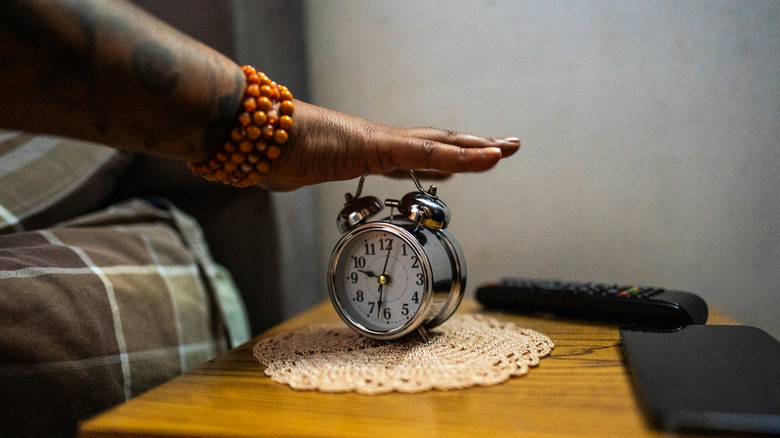
The decision to switch to an analog alarm clock is about more than just buying a new piece of hardware; it is about reclaiming the first and last hours of your day. When you use a non-digital alarm clock, you are choosing an intentional start to your morning. Instead of being immediately reactive to messages, headlines, and notifications, you have a window of time to breathe, stretch, and prepare for the day on your own terms.
By prioritizing sleep hygiene and protecting your melatonin production, you are making a long-term investment in your cognitive function and emotional well-being. A bedroom free of digital distractions is a place where your body can truly recover. The simplicity of a physical dial and a real bell is a powerful antidote to the complexity of modern life.
FAQ
Are analog alarm clocks better than digital ones?
In terms of sleep hygiene, yes. Analog clocks lack the blue light-emitting screens found on digital versions and do not offer the distractions of a smartphone. They are also more reliable during power outages if they are mechanical or battery-operated.
Do analog alarm clocks make a ticking sound?
Some do, but many modern versions feature a silent sweep movement. If you are sensitive to noise, look specifically for models labeled as "silent" or "non-ticking" to ensure a quiet bedside environment.
Why should I use an analog alarm clock instead of my phone?
Using your phone as an alarm often leads to late-night scrolling and immediate morning stress from notifications. An analog clock allows you to leave your phone in another room, reducing blue light exposure and improving your overall sleep quality.
Can analog alarm clocks help improve sleep quality?
Yes. By reducing blue light exposure and the mental stimulation associated with digital devices, analog clocks help maintain healthy melatonin levels and support a more natural circadian rhythm.
Are there silent analog alarm clocks?
Absolutely. Many quartz-based analog clocks now use a sweep second hand that moves continuously. This eliminates the traditional ticking sound, making them ideal for light sleepers who need absolute silence.