Quick Facts
- Status: Consumer app delisted; Corporate entity active
- Deal Outcome: $500,000 deal with Mark Cuban did not close
- Annual Revenue: approximately $4 million as of June 2023
- Primary Mission: Solving banking deserts through merchant-led cash withdrawals
- Founder: D'Ontra Hughes
- Current Net Worth: Estimated at $22.1 million
As of 2026, users asking about the Spare Shark Tank update will find a complex picture. While the Spare virtual ATM app status shows it is currently unavailable for consumer download, the parent company, Spare CS Inc, is thriving through a B2B pivot.
Spare Virtual ATM Status 2026
For anyone who caught the Season 10 episode of Shark Tank, the premise of Spare was revolutionary. It promised a world where you didn’t have to hunt for a sketchy ATM in the back of a gas station or pay $5.00 in fees just to get twenty bucks. Instead, you could use a virtual ATM mobile app to request cash from a local merchant's register. It was a win-win: the user got cash without the fee, and the merchant got retail foot traffic and a small commission.
However, if you search the Apple App Store or Google Play Store today, the app is nowhere to be found. This has led many to wonder: is the spare app still active in 2026? The answer requires looking past the consumer interface and into the backend of fintech innovation. While the standalone app has been delisted, Spare CS Inc continues to operate as a corporate entity, focusing on integrating its cash management systems directly into existing point-of-sale services and merchant platforms.
| Feature | Current Status (2026) |
|---|---|
| App Store Availability | Unavailable |
| Google Play Availability | Unavailable |
| Corporate Status | Active (Spare CS Inc) |
| Founder | D'Ontra Hughes |
| Key Partners | MasterCard, Eazy Financial Services |
| Core Service | B2B Virtual ATM Infrastructure |
The disappearance of the consumer app doesn't signal failure, but rather a strategic shift. In the world of mobile devices and fintech innovation, the "middleman app" is often replaced by invisible API integrations. Spare has moved from being a destination app to being the plumbing that facilitates cash-out transactions at retail registers.
The Shark Tank Aftermath: Why the Mark Cuban Deal Failed
In 2019, D'Ontra Hughes stepped into the Tank seeking $500,000 for 3.5% of his company. It was a high-stakes pitch that centered on the idea of disrupting the $21 billion ATM fee industry. Mark Cuban, known for his interest in fintech and disruptive technology, saw the potential. After a period of intense negotiation, Hughes secured an on-air deal for $500,000 in exchange for 12% equity and 2% advisory shares.
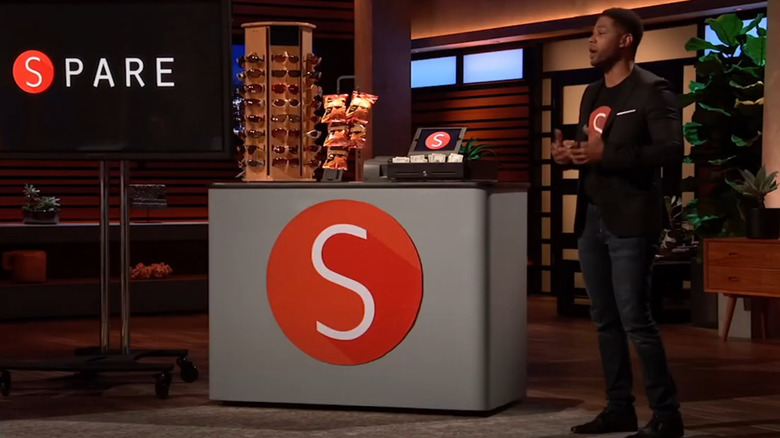
Despite the celebratory handshakes, the Spare Shark Tank update mark cuban deal did not ultimately close. During the startup due diligence phase, which typically lasts several months after the cameras stop rolling, the partnership was never finalized. While neither party has released a detailed post-mortem on the failed deal, it is common in the fintech space for regulatory hurdles or valuation disagreements during deep-dive audits to stall venture equity acquisitions.
The failure of the deal to close forced D'Ontra Hughes to seek alternative paths. For many startups, losing a Shark can be a death knell, but Spare used the "Shark Tank Effect" to gain national visibility, which helped in securing later independent funding rounds. This period marked a transition in the d'ontra hughes spare app current status from a Shark-backed venture to an independent fintech contender.
Where is the App? Understanding the App Store Delisting
As a mobile tech editor, I frequently see apps vanish from the storefronts only to re-emerge as something entirely different. The current Spare virtual ATM app status is officially "inactive" for new consumer downloads. This often happens when a company decides that the cost of acquiring individual users through a standalone app is too high compared to the revenue generated per transaction.
Why is spare virtual atm app not in app store? The likely reason is a pivot toward integrated point-of-sale services. Rather than asking a user to download the Spare app, create an account, and link a bank card, Spare began working on integrating their technology directly into the software merchants already use. This "white-label" approach is a hallmark of successful fintech innovation.
Expert Insight: App store delisting isn't always a sign of a "zombie" company. In B2B fintech, the most successful tools are often those that the consumer never actually "sees" as a separate icon on their home screen.
While the consumer-facing app sits in a state of limbo, the company's LinkedIn and professional networks show a hive of activity. Spare CS Inc has focused on building a robust POS infrastructure that allows banks and merchant networks to offer cash-out services natively. This shift ensures the company avoids the high churn rates associated with consumer mobile payment platforms while tapping into much larger enterprise-level transaction volumes.
How Spare Works: From Virtual ATMs to POS Cash-Outs
The core technology behind Spare remains a fascination for those interested in cash management systems. The concept of a virtual ATM (vATM) is built on leveraging the existing cash on hand at retail locations.
Here is how spare virtual atm worked for cash withdrawals:
- Request: A user would initiate a cash-out request for a specific amount.
- Verification: The app would generate a unique, secure QR code or one-time PIN.
- Merchant Interaction: The user would present this code to a participating merchant.
- Payout: The merchant would scan the code, hand over the cash from the register, and the transaction would be settled digitally.
This system relied heavily on micro-transaction security to ensure that both the merchant and the consumer were protected. For the merchant, the benefits were clear: decreased cash-on-hand risk (less cash in the drawer means a lower robbery incentive), merchant incentives in the form of small fees, and increased retail foot traffic. When a customer comes in to get cash, they are significantly more likely to pick up a drink or a snack, boosting the store’s bottom line.
Mission Evolution: Solving the 'Banking Deserts' Crisis
Beyond the tech, Spare CS Inc has always been a mission-driven company. D'Ontra Hughes was vocal about his desire to help those living in banking deserts—geographic areas where traditional bank branches and ATMs are non-existent or carry predatory fees.
The spare cs inc banking deserts mission progress has been significant. By turning every cash register into a potential withdrawal point, the company effectively democratizes financial accessibility. This is particularly vital in underbanked regions where residents might otherwise have to take multiple buses just to reach a functional ATM.
Strategic partnerships have been the engine of this growth. Spare’s collaboration with MasterCard and Eazy Financial Services allowed them to scale their reach without needing a physical footprint of their own. This model of utilizing existing point-of-sale services makes Spare a critical player in the global movement toward better financial inclusion.
2026 Financial Health: $4 Million Revenue and Beyond
While the consumer app might be missing, the bank account is far from empty. Reports indicate that Spare CS Inc is performing remarkably well as a B2B provider. As of June 2023, the Spare virtual ATM app reported an annual revenue of approximately $4 million.
The company's resilience is notable. While many peer-to-peer finance startups from the same era have folded, Spare successfully navigated a seed funding round in 2022 that bolstered its valuation to an estimated $22.1 million. This financial stability suggests that the shift away from the App Store was a calculated move rather than a forced retreat.
Compared to traditional ATM networks, Spare’s overhead is incredibly low. They don't have to maintain armored trucks, pay for electricity for kiosks, or deal with physical machine maintenance. By staying in the digital layer of the transaction, they have built a high-margin business that continues to grow as cash, despite the rise of digital payments, remains a necessity in many parts of the world.
FAQ
Is Spare from Shark Tank still in business?
Yes, Spare CS Inc is still in business and is currently profitable. While the consumer-facing mobile app has been removed from major app stores, the company has successfully pivoted to a B2B model, providing virtual ATM infrastructure and point-of-sale integration for merchants and financial institutions.
Did Mark Cuban's deal with Spare close?
No, the $500,000 deal for 12% equity and 2% advisory shares that was agreed upon during Season 10 of Shark Tank did not close. The partnership fell through during the due diligence period following the show, which is a common occurrence for complex fintech startups.
Is the Spare app still available on the App Store?
The Spare app is not currently available on the Apple App Store or the Google Play Store. The company has moved away from a standalone consumer app in favor of integrating its cash-out technology directly into merchant point-of-sale systems and other third-party financial platforms.
How does the Spare app work for getting cash?
When it was active as a consumer tool, the app allowed users to request a specific amount of cash and then receive a secure code. The user would take that code to a participating local merchant, who would scan it and provide the cash directly from their register, bypassing the need for a traditional ATM machine.
How does Spare make money?
Spare makes money by charging small convenience fees on transactions, which are typically lower than traditional ATM fees. In its B2B model, the company also generates revenue through partnerships with payment processors and by providing cash management technology to large merchant networks that want to increase foot traffic and reduce their on-site cash holdings.