Quick Facts
- Chemistry: Nickel-Cadmium (Ni-Cd) utilizing nickel hydroxide and metallic cadmium
- Makita Legacy: The technology powered the first major cordless revolution in 1978
- PA12 Specs: Features a 12V output and a standard 1.3Ah capacity
- Cycle Life: Capable of sustaining over 1,200 charge-discharge cycles
- Core Issue: Susceptible to the memory effect, requiring periodic deep discharge
- Disposal: Contains toxic heavy metals and must be handled as hazardous waste
A Ni-Cd battery stands for nickel-cadmium, a rechargeable chemistry where the positive electrode is nickel hydroxide and the negative electrode is cadmium. These components are submerged in an alkaline potassium hydroxide electrolyte and often arranged in a spiral jelly-roll construction. Known for high discharge rates and durability, these batteries were once the standard for cordless power tools like the Makita PA12.
The Chemistry of Power: What Does Ni-Cd Actually Mean?
To understand the meaning of Ni-Cd on power tool batteries, we have to look beneath the plastic casing at the chemical dance happening inside. The acronym itself is a simple combination of the two primary metals used in the electrodes: Nickel (Ni) and Cadmium (Cd). In a typical cell, the positive electrode consists of nickel hydroxide, while the negative electrode is made of metallic cadmium.
What makes this chemistry unique is the internal jelly roll construction. Imagine a long sandwich of electrode sheets and a separator, rolled up tightly like a Swiss roll and shoved into a metal cylinder. This design maximizes the surface area of the electrodes, allowing the battery to deliver a high discharge rate. When you pull the trigger on a heavy-duty drill, the battery can dump a large amount of energy quickly without the voltage sagging significantly.
The medium for this energy transfer is an electrolyte made of potassium hydroxide. This alkaline solution facilitates the movement of ions between the plates. One of the most appreciated characteristics of this setup is the steady voltage discharge. Unlike some modern chemistries that lose power linearly as they drain, a Ni-Cd battery maintains a relatively flat discharge curve, meaning your tool feels almost as powerful at 20% charge as it did at 90%. Each individual cell in the pack provides a nominal 1.2V, meaning a 12V pack like the PA12 actually contains ten individual cells wired in series.
The Makita PA12 Legacy: A 12V Icon
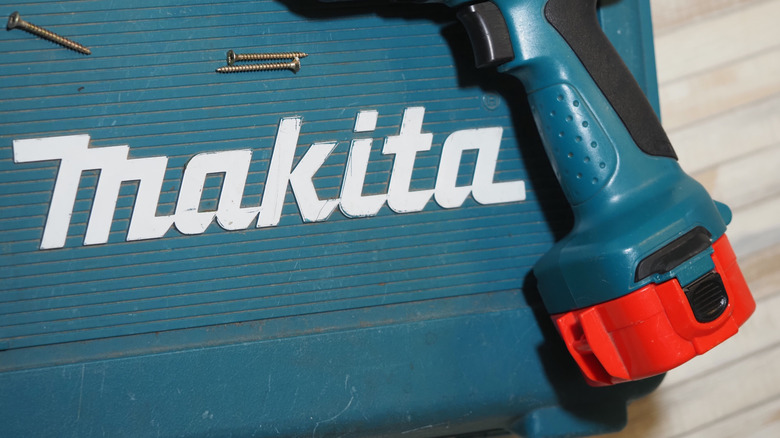
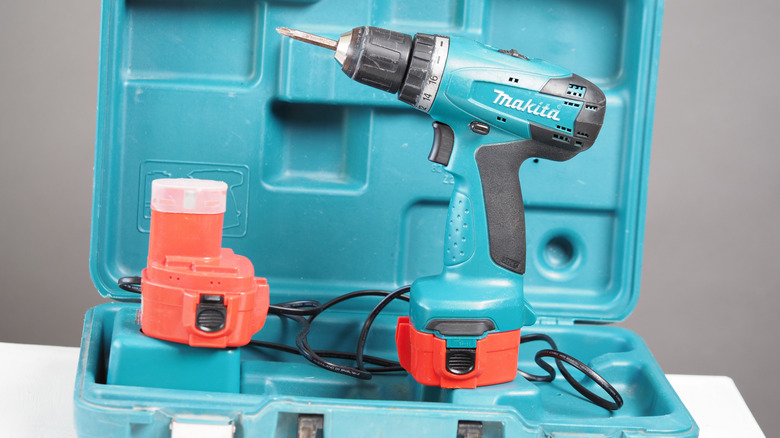
If you step into the workshop of a veteran contractor or a dedicated DIY enthusiast, you are likely to find a tool powered by the Makita PA12. This specific pod-style battery pack is more than just a power source; it is a symbol of the 1978 cordless revolution that changed the construction industry forever. Before the advent of lithium-ion, the PA12 was the gold standard for 12V systems, prized for its industrial durability and ability to survive the rigors of a job site.
The original Makita PA12 is a 12-volt Nickel-Cadmium (Ni-Cd) battery pack that features a standard factory capacity rating of 1.3 Amp-hours (Ah). While 1.3Ah might seem low by today’s standards, the efficiency of the Ni-Cd chemistry in high-drain applications meant these tools could drive hundreds of screws on a single charge.
Perhaps the most impressive aspect of these legacy packs is their longevity. Nickel-Cadmium batteries like the Makita PA12 are engineered for high-drain applications and can typically sustain over 1,200 charge-discharge cycles before reaching the end of their service life. This durability is why many people are still looking for Makita PA12 12V Ni-Cd battery replacement options today. They have old drills and drivers that still work perfectly, provided they can find a functional battery to slot into the handle. Despite being largely discontinued by the original manufacturer, the average lifespan of Ni-Cd rechargeable batteries remains a benchmark that many modern alternatives struggle to match in terms of pure cycle count.
Dealing with the Ni-Cd Battery Memory Effect
If you have ever noticed that your old cordless drill seems to run out of juice much faster than it used to, you are likely encountering the Ni-Cd battery memory effect. This is a common issue with Ni-Cd batteries where recharging the cells before they are fully depleted causes them to remember a lower capacity level. Essentially, the battery creates a "virtual" bottom, and once it hits that point, the voltage drops off even though there is technically chemical energy left in the cell.
Over time, this significantly reduces the total runtime of the tool, turning a 15-minute job into a frustrating cycle of constant recharging. However, this is not necessarily a death sentence for your pack. To maintain performance and help mitigate this effect, you should periodically perform a deep discharge.
If you are wondering how to fix Ni-Cd battery memory effect, the process is straightforward but requires patience. You should let the tool run down until it can no longer move, then leave it for a short period to let the residual voltage dissipate further. Once the battery is truly empty, put it on the charger for a full cycle. In some cases, professional technicians recommend a slow, controlled discharge followed by a 16-to-24-hour "forming" charge to reset the internal chemistry. This battery cycle longevity can often be restored by doing this once every few months, ensuring that the crystals forming on the cadmium plates don't grow large enough to permanently bridge the gap and short out the cell.
Ni-Cd vs Lithium-Ion Power Tools: The Modern Shift
The transition from Ni-Cd to lithium-ion has been one of the most significant shifts in tool history. While the older Ni-Cd battery was the king of the 20th century, modern demands for lighter tools and longer runtimes have pushed it to the fringes. When we look at Ni-Cd vs lithium-ion power tools, the differences in energy density and weight are staggering.
| Feature | Ni-Cd Battery | Lithium-Ion Battery |
|---|---|---|
| Energy Density | ~50 Wh/kg | ~125+ Wh/kg |
| Weight | Heavy (Lead/Cadmium based) | Lightweight |
| Memory Effect | High | None |
| Self-Discharge | High (drops 10-20% per month) | Very Low |
| Cold Weather | Excellent Performance | Average Performance |
| Toxicity | High (Cadmium) | Low (Non-toxic) |
While Ni-Cd cells are more shock-resilient and function better in extreme temperatures, lithium-ion has become the industry standard because it lacks the memory effect and is more environmentally friendly. However, switching from Ni-Cd to lithium-ion power tools is not as simple as buying a new battery. Lithium cells require a sophisticated Battery Management System (BMS) to prevent fire hazards and over-discharging. If you have an old Makita tool designed for a PA12, you cannot simply slot in a lithium battery without a compatible adapter and a specific charger, as the charging profiles for these two chemistries are completely different.
End of Life: How to Recycle Ni-Cd Batteries Safely
As robust as these batteries are, they eventually reach a point where they can no longer hold a charge. When this happens, it is vital to handle them with care. The chemical composition of Ni-Cd batteries includes metallic cadmium, which is highly toxic and has resulted in the technology being largely phased out in favor of Nickel-Metal Hydride (Ni-MH) and Lithium-Ion (Li-ion) alternatives.
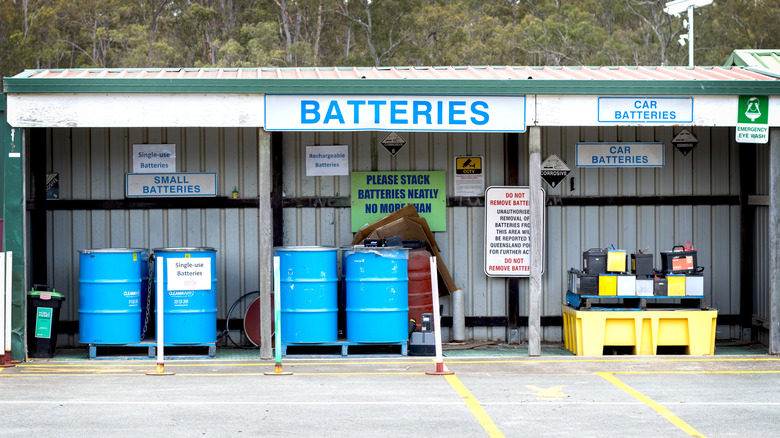
Cadmium is a heavy metal that can cause significant environmental damage if it leaks into the groundwater from a landfill. Because of this heavy metal toxicity, these packs are classified as hazardous waste in almost every jurisdiction. Knowing how to recycle Ni-Cd batteries is an essential part of being a responsible tool owner.
If you are looking for where to recycle Makita Ni-Cd batteries, avoid the standard blue recycling bin. Instead, look for dedicated battery collection points often found at major hardware retailers or local municipal waste centers. Many countries have organizations like Call2Recycle that provide drop-off locations specifically for nickel-based rechargeable batteries. By ensuring these packs reach a specialized hazardous waste disposal facility, the cadmium and nickel can be safely extracted and reused in new industrial applications, keeping these toxic materials out of the ecosystem.
FAQ
What is a Ni-Cd battery used for?
In the context of power tools, these batteries were the primary energy source for cordless drills, saws, and impact drivers for decades. They are especially valued in industrial settings where tools are dropped frequently or used in freezing temperatures, as the chemistry is remarkably stable under physical and thermal stress.
Are Ni-Cd batteries rechargeable?
Yes, they are designed to be recharged hundreds, or even thousands, of times. The movement of ions between the nickel and cadmium plates is a reversible chemical reaction. However, they require specific chargers that can detect the "peak" voltage to prevent overcharging, which can lead to overheating and cell damage.
How do you fix a Ni-Cd battery memory effect?
The most effective way to address the memory effect is through a process called deep cycling. This involves discharging the battery completely using a low-drain device or simply running the tool until it stops, followed by a full, uninterrupted charge cycle. Repeating this process two or three times can often break down the large crystal formations inside the cells that limit capacity.
Why are Ni-Cd batteries being phased out?
The primary reason is environmental. Cadmium is a toxic heavy metal that poses risks during both the manufacturing and disposal phases. Additionally, the development of nickel-metal hydride (Ni-MH) and lithium-ion technologies provided higher energy densities, meaning tools could become smaller and lighter while running for longer periods.
Are Ni-Cd batteries hazardous to the environment?
Yes, if they are not disposed of correctly. The cadmium contained within the cells is a known carcinogen and can be extremely harmful to soil and water quality. It is for this reason that many regions have strictly regulated the sale and disposal of Ni-Cd products, encouraging a shift toward safer alternatives.
Can you replace Ni-Cd with lithium batteries?
Technically, it is possible with the use of third-party adapters, but it is not a "plug and play" solution. Lithium-ion batteries operate at different voltages and require different charging logic. If you want to keep your legacy Makita tools running, it is often easier to find a high-quality Ni-MH replacement pack, which is usually compatible with original Ni-Cd chargers and provides better capacity without the toxicity of cadmium.