Quick Facts
- Fatality Spike: Traffic deaths increase by 15% on major album release days.
- Risk Factor: Looking away for just 2 seconds doubles your crash probability.
- Interface Hazard: Touchscreen tasks take 5.5s vs 1.5s for physical knobs.
- Primary Victim: Solo drivers and young listeners face the highest streaming-related risks.
- Safety Benchmark: The 'glance-and-go' technique suggests keeping screen time under 1.5 seconds.
- Streaming Surge: Music platform activity rises by 40% during major release windows.
Research indicates that distracted driving risks surge during major music releases because drivers interact with streaming apps while moving. To stay safe, drivers must pre-set playlists and utilize hands-free controls to maintain situational awareness.
The Fatal Rhythm: Why New Music Drops Impact Road Safety
As someone who spends my days dissecting the nuances of spatial audio and driver sensitivity in the latest high-end headphones, I understand the visceral excitement of a major music release. When Taylor Swift drops a surprise "Taylor’s Version" or Drake releases a new LP, the impulse to hear every lyric immediately is overwhelming. However, as an audio editor, I have to look at the data beyond the decibels. The reality is that the Spotify release cycle has a measurable, lethal impact on our highways.
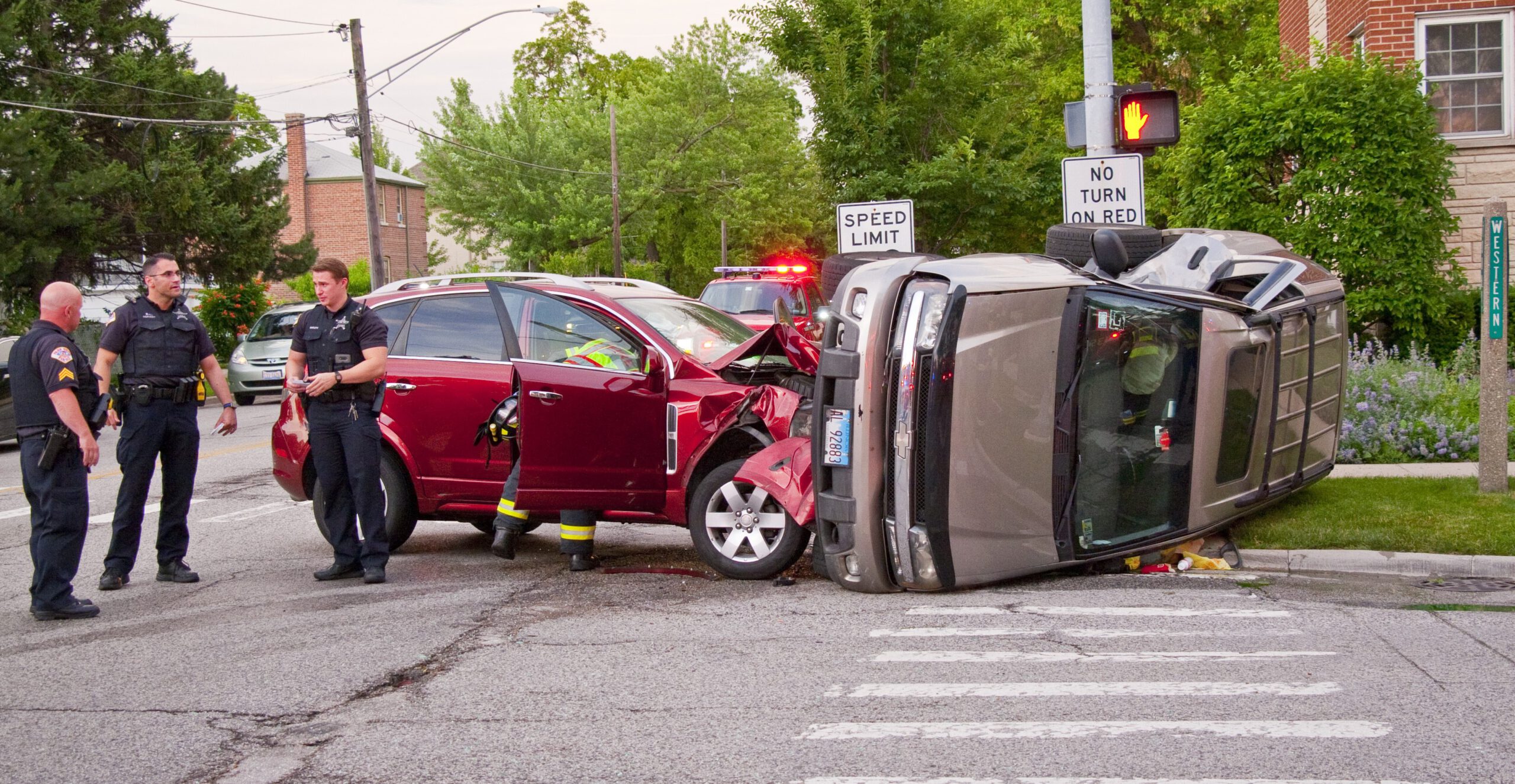
A study published by the National Bureau of Economic Research found that U.S. traffic fatalities increase by approximately 15 percent on the release days of major music albums. This isn't just a coincidence; it’s a direct result of music streaming dangers as people scramble to find the new tracks while behind the wheel. During these high-profile release windows, music streaming activity surges by nearly 40 percent, turning our cars into dangerous listening rooms.
The data points to a specific demographic being most at risk. The research indicates that why young drivers are at risk during music release days often comes down to their high level of digital engagement and the tendency to drive solo. In fact, the increase in fatal accidents on major music release days is significantly more pronounced among single-occupant vehicles, suggesting that without a passenger to act as a "designated DJ," drivers are taking their eyes off the road to navigate complex app interfaces.
Safety Warning: Major album release days see a 15% spike in road fatalities. When streaming activity rises by 40%, the risk of fatal collisions increases proportionally, especially for solo drivers under age 25.
The Triple Threat: Visual, Manual, and Cognitive Distractions
When we talk about distracted driving risks, we usually think about texting. But streaming music involves a "triple threat" of distraction that is arguably more insidious because we perceive it as a secondary, "background" activity. To understand the danger, we have to break down how interacting with music affects our biology and our driving performance.
The first two categories are visual and manual. This is the physical act of looking at a screen to find a specific song and using your hands to scroll through a library. Even a quick search for a new single takes your eyes off the road for far longer than the safe threshold. According to NHTSA safety guidelines, taking your eyes off the road for more than two seconds doubles your risk of a crash.
However, the most overlooked factor is cognitive distraction driving safety. This occurs when your mental attention is diverted away from the road, even if your eyes are still technically looking forward. New music causes higher auditory arousal and mental workload than familiar songs. When you listen to a song for the first time, your brain is working overtime to process new melodies, lyrics, and production details. This increased cognitive load slows your reaction time and reduces your situational awareness. You might be "looking" at the car in front of you, but your brain is busy processing a complex bridge or a clever rhyme, leading to a phenomenon known as inattentional blindness.
The Dashboard Trap: Infotainment Systems vs. Physical Controls
The shift from physical buttons to sleek, touch-sensitive infotainment systems has been a disaster for road safety. In the quest for a minimalist aesthetic, many car manufacturers have buried essential functions deep within sub-menus. For an audiophile, this means that simple tasks like adjusting EQ or switching from a podcast to a new album become high-stakes maneuvers.
The difference in interaction time is staggering. While tactile controls like a volume knob or a physical preset button allow for blind operation through muscle memory, touchscreens require active visual feedback.
| Interaction Type | Average Interaction Time | Impact on Safety |
|---|---|---|
| Physical Knob/Button | 1.5 Seconds | Minimal distraction; eyes remain on road. |
| Touchscreen Interface | 5.5 Seconds | High risk; vehicle travels 400+ feet at 60mph. |
This is where safe use of infotainment systems becomes a critical skill. Modern mirroring systems like Apple CarPlay and Android Auto are designed to simplify the interface, but they are not foolproof. If you are digging through three layers of menus to find a newly released "New Music Friday" playlist, you are essentially driving blind for several seconds at a time.
To mitigate this, I recommend the glance-and-go technique for in-car infotainment systems. This involves looking at the screen for no more than one second, returning your eyes to the road for several seconds, and then taking another quick glance if necessary. Better yet, many modern vehicles offer a Head-up Display (HUD) that can project track information onto the windshield, keeping vital info within your peripheral vision and reducing the need for manual browsing.
The Pre-Drive Protocol: Strategies for Safer Streaming
As a music tech expert, I would never tell you to stop listening to music in the car. It’s one of the best ways to experience a new master. However, I am a firm believer in the "Pre-Drive Protocol." By shifting all the interaction to the time before you put the car in gear, you can enjoy the perfect sound without the distracted driving risks.
If you are anticipating a major release, your goal should be reducing infotainment distraction during new album drops. Here is my checklist for a safe listening experience:
- Download and Pre-set: Ensure the new album is downloaded to your device to prevent buffering or connectivity issues that might tempt you to fiddle with the phone.
- Organize Playlists: Learn how to pre-set music playlists for safe driving by adding the new release to a "Driving" folder that is easily accessible from the home screen of your interface.
- Optimize Settings: Spend five minutes optimizing Apple CarPlay settings to minimize distractions. Disable notifications from non-essential apps so they don't pop up over your music controls.
- Master Voice Commands: Use Siri, Google Assistant, or your car’s native voice control. Saying "Play new album by [Artist]" is infinitely safer than scrolling through a list.
- Tactile Controls Only: Commit to using only steering wheel controls for volume and track skipping once you are in motion.
- The Passenger Rule: Whenever possible, delegating music selection to passengers for safer trips is the gold standard. If you have someone in the seat next to you, they should be the only one touching the screen.
These small habits contribute significantly to crash mitigation. If you find yourself in a complex driving situation—such as heavy rain, dense traffic, or a confusing construction zone—the safest move is to switch back to familiar music or silence. The mental workload required to process a brand-new, complex audio production can wait until you hit a straight stretch of open highway or, better yet, until you arrive at your destination.
FAQ
What are the three main types of distracted driving?
Distracted driving is categorized into three primary types: visual, manual, and cognitive. Visual distraction involves taking your eyes off the road to look at a screen or device. Manual distraction occurs when you take your hands off the steering wheel to manipulate a phone or infotainment system. Cognitive distraction is when your mental focus drifts away from the task of driving, often caused by engaging deeply with a phone conversation or complex new audio content.
Why is distracted driving considered a major safety risk?
It is a major safety risk because it significantly increases reaction time and decreases situational awareness. At highway speeds, a vehicle can travel the length of a football field in the time it takes to look at a screen for just five seconds. This delay in noticing a braking car or a changing signal can lead to fatal collisions, as evidenced by the 15 percent increase in fatalities during high-streaming music release days.
Is using a hands-free device still considered distracted driving?
Yes, using a hands-free device still contributes to cognitive distraction. While it may eliminate the manual and visual risks of holding a phone, the brain's focus is still split between the road and the audio interaction. Experts suggest that hands-free legislation is a step forward, but it does not completely eliminate the mental workload that can slow a driver's response to unexpected hazards.
What are the cognitive risks of multitasking while driving?
The human brain is not actually capable of multitasking; instead, it "task-switches" rapidly. This switching creates a "bottleneck" in processing, where the brain pauses to transition between driving and interacting with music. This can lead to inattentional blindness, where a driver fails to perceive objects in their direct line of sight because their cognitive resources are being used to process an emotionally charged or complex new music track.
How can distracted driving be prevented?
Preventing distraction starts with a commitment to zero-interaction while the vehicle is in motion. This includes pre-setting all navigation and music before starting the engine, using steering wheel buttons for basic adjustments, and utilizing voice commands for necessary changes. For major music drops, drivers should prepare their playlists in advance or wait until they have a passenger to manage the streaming device, ensuring total focus remains on the road.