Quick Facts
- Security Gold Standard: Multi-Factor Authentication (MFA) and end-to-end encryption are mandatory for modern devices.
- Legal Baseline: Ensure the device is fully COPPA (US) and GDPR (EU) compliant to protect minor data.
- Vulnerability Alert: Many cheap, generic trackers use default passwords like 123456, making them easy targets for hackers.
- Update Frequency: High-quality trackers offer real-time location sharing with updates every 60 seconds or less.
- Data Privacy: Only choose brands with transparent data retention policies that explicitly forbid third-party data sharing.
- Recommended Models: Garmin Bounce and BoT Talk are leading examples of devices with robust security protocols built-in.
Your child's safety shouldn't compromise their privacy. While tracking devices offer peace of mind, many lack basic kids gps tracker security features. Recent studies found over 600,000 devices used default passwords, exposing sensitive location data. To secure a child's tracking device, parents must prioritize GPS tracker multi-factor authentication, ensure end-to-end encryption, and verify COPPA compliance to prevent unauthorized data access.
The Vulnerability Crisis: Why Your Tracker Might Be at Risk
As a parent and a tech editor, I often see the allure of the $20 generic tracker found on major marketplaces. It looks like a bargain, but the hidden cost is often your family's privacy. The reality of IoT cybersecurity in the wearable market is that security is expensive to implement. When a device is priced lower than a standard lunch, the manufacturer has likely cut corners on the software and server infrastructure that protects your child's data.
The most glaring issue is the use of default credentials. Security researchers estimated that more than 600,000 GPS tracking devices sold by a single manufacturer were vulnerable to unauthorized data access due to a shared default password of 123456. This means anyone with the device’s ID number could potentially track the child, spoof their location, or even access the microphone.
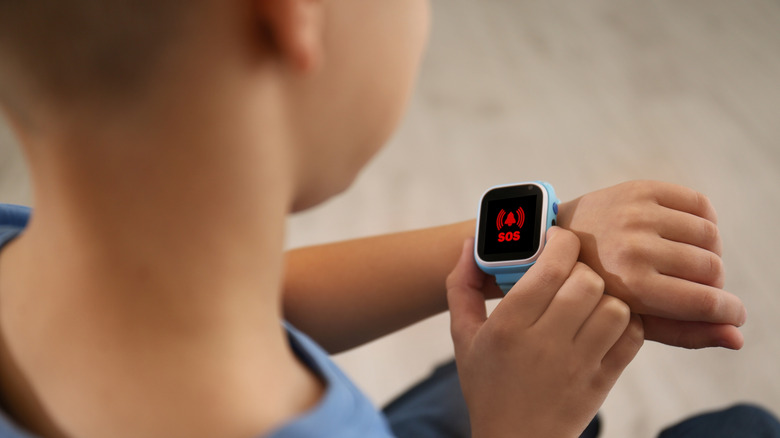
There is also a significant difference between an object tracker and a dedicated child safety device. While a generic Bluetooth tag might be fine for your keys, it lacks the sophisticated child tracking device privacy features necessary for a human being. These generic tags often lack dedicated SOS buttons, safe-zone alerts, or the ability to filter who can communicate with the wearer. Without consistent firmware security updates, these devices remain frozen in a vulnerable state, unable to defend against new hacking methods as they emerge.

Must-Have Kids GPS Tracker Security Features for 2026
When evaluating secure smartwatches for children, the checklist has evolved. It is no longer enough to just see a dot on a map. You need to know that the bridge between that device and your phone is locked tight. The first thing I look for is GPS tracker multi-factor authentication. If the companion app only requires a simple password to log in, it is a red flag. MFA adds a second layer of defense, ensuring that even if your password is leaked, your child's location remains private.
Another non-negotiable is end-to-end encryption. This technology ensures that location data is scrambled the moment it leaves the watch and is only descrambled when it reaches your verified smartphone. Even if a hacker intercepts the data stream from the server, they would see nothing but gibberish.
| Feature | Least Secure (Avoid) | Most Secure (Look For) |
|---|---|---|
| Authentication | Single password only | Multi-factor authentication (MFA) |
| Data Transmission | Unencrypted plain text | End-to-end encryption |
| Passwords | Default "123456" or "888888" | Unique, user-generated strong passwords |
| Software Updates | No firmware update capability | Regular, over-the-air (OTA) security patches |
| Microphone Access | Always-on / No indicator | User-authorized / Visible indicator |
Server transparency is the final piece of the puzzle. The best companies are open about where their servers are located and how long they keep your data. Ideally, you want a brand that offers a clear data retention policy, allowing you to delete location history permanently whenever you choose.
Legal Safeguards: COPPA, GDPR, and Your Data Rights
In the United States, the Children's Online Privacy Protection Act (COPPA) is your best friend. It mandates that companies providing services to children under 13 must obtain verifiable parental consent and have strict rules about how they collect and use data. When shopping, specifically look for COPPA compliant gps trackers for kids. If a brand doesn't mention this, they are likely operating in a legal gray area where your child’s data is treated like any other commodity.
Similarly, if you are in Europe or the device is sold there, GDPR compliance provides a framework for data rights, including the right to be forgotten. These regulations force companies to implement better child tracking device data privacy settings.
Expert Tip: Always audit your app permission management settings immediately after installation. If a tracker app asks for access to your entire contact list, photos, or fitness data that it doesn't need to function, deny those permissions. A secure smartwatch for children should only request the bare minimum data required to keep your child safe.
The danger of third-party data sharing is real. Some low-cost manufacturers supplement their income by selling "anonymized" location patterns to advertisers. While they claim it's safe, researchers have proven that anonymized location data is often easy to re-identify. Choosing a brand with a paid subscription model often means you are paying for the privacy that "free" apps sell away.
Action Plan: How to Secure Your Child's GPS Tracker Today
If you already have a device or are about to set one up, follow these best practices for kids smartwatch data protection to ensure your family stays off the radar of bad actors.
- Enable MFA Immediately: Open the settings of your tracker's app and look for two-step verification or MFA. If the app doesn't offer it, consider switching to a more secure model like the Garmin Bounce.
- Change the Default Password: If your device came with a preset password, change it to a unique, complex string of letters, numbers, and symbols. Never use the same password you use for your email or bank.
- Check for Firmware Security Updates: Manufacturers frequently release patches to fix vulnerabilities. Make it a habit to check the app for available updates at least once a month.
- Audit Location History: Set your data retention policy to delete location history every 30 days. There is rarely a practical reason to keep a digital trail of your child's movements from six months ago.
- Verify Emergency Contacts: Ensure that only a whitelist of trusted numbers can call or message the device. Most secure smartwatches for children allow you to block all unknown callers automatically.
- Review COPPA and GDPR Status: Take five minutes to read the privacy policy on the manufacturer’s website. Look for specific mentions of these regulations and their commitment to children's data safety.
For parents who want the highest level of security out of the box, specialized models like the Garmin Bounce or AngelSense provide the most robust kids gps tracker multi-factor authentication setup and encrypted communication features currently on the market. These devices are designed with a safety-first philosophy rather than being repurposed generic hardware.
FAQ
Are kids' GPS trackers safe from hackers?
Not all of them are. Many low-cost trackers lack basic encryption and use default passwords, making them vulnerable to hacking. However, premium models that prioritize kids gps tracker security and use multi-factor authentication are significantly harder to breach.
How do I ensure the data on my child's GPS tracker is secure?
You should start by choosing a reputable brand that is COPPA and GDPR compliant. Ensure you enable GPS tracker multi-factor authentication, use a strong unique password, and regularly install firmware security updates to protect against new vulnerabilities.
What security features should I look for in a child's GPS watch?
The most important features are multi-factor authentication, end-to-end encryption for location data, and a clear, transparent data retention policy. You should also look for a device that offers a whitelist for calls so only approved contacts can reach your child.
Can someone else track my child's GPS device?
If the device has poor security—such as no MFA or a weak password—it is possible for unauthorized users to gain access. This is why following best practices for kids smartwatch data protection, such as changing default settings and managing app permissions, is critical.
Are there any privacy risks with using a GPS tracker for children?
Yes, the primary risks include unauthorized data access by hackers and the potential for the manufacturer to share location data with third parties. To mitigate these risks, always verify child tracking device privacy features and choose brands that do not sell user data.