Quick Facts
- Data Selling: Industry projections suggest 60% of free VPN providers will be monetizing their services by selling user browsing data to third parties by 2025.
- Malware Risk: A CSIRO study found that 38% of free Android VPN apps contained some form of malware.
- Tracking Issues: The same study revealed that 75% of free Android VPN apps utilized third-party tracking libraries.
- Usage Trends: According to a 2024 survey, 48% of VPN users rely on free versions that are significantly more likely to exhibit risky privacy behaviors.
- Top Safety Pick: Reputable freemium options like Proton VPN offer a tiered model where paid users subsidize a secure, limited free version.
- Technical Standard: Paid VPNs prioritize RAM-only servers and the WireGuard protocol to ensure no data is physically stored on disk.
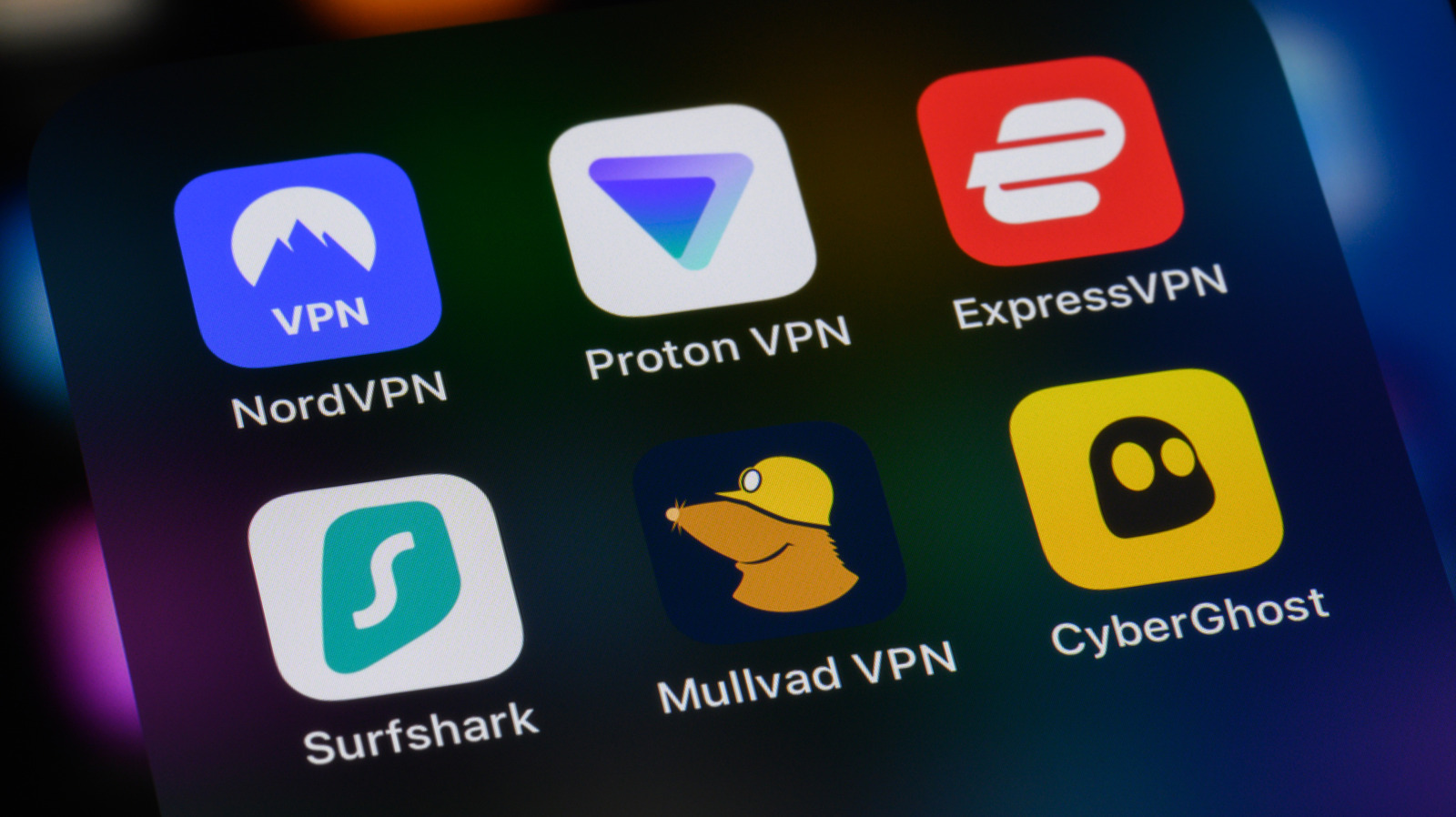
- Blacklist: Experts recommend avoiding services like Hola, Betternet, and Urban-VPN due to history of data logging or bandwidth sharing.
Many free VPNs monetize by harvesting and selling user data to third-party brokers and advertisers. While reputable freemium services offer limited data with better privacy, many unrestricted free apps log sensitive information such as browsing history, IP addresses, and geolocation. To protect your privacy, verify if a provider has a transparent monetization model and a privacy policy backed by independent third-party audits. In the Free vs paid VPN debate, the fundamental truth is that if you aren't paying for the product, your data likely is the product.
The Data Harvesting Trap: How Free VPNs Really Make Money
When you download a free app from an app store, the promise of total anonymity is alluring. However, running a global network of servers is incredibly expensive. Legitimate businesses must cover costs for bandwidth, electricity, and engineering talent. If a provider isn't charging you a monthly fee, they are almost certainly finding a secondary monetization model to keep the lights on. Usually, this involves your personal information.
The market is essentially split into a binary classification: Safe Freemium vs. Dangerous Data Harvesting apps. Freemium services act as a loss-leader; they give you a taste of the service with speed or data caps, hoping you will eventually upgrade to a paid plan. These are generally safe because their business model is transparent. On the flip side, many unrestricted free apps function as data harvesting tools. They exist specifically to gather user activity logs, which are then packaged and sold to advertisers or data brokers.
The free VPN security risks are not just theoretical. Beyond just tracking your habits, some free services have been caught hijacking user devices to act as exit nodes for other users—essentially turning your home internet connection into a gateway for strangers, which could link your IP address to their illegal activities. Adware injection is another common tactic, where the VPN app modifies the websites you visit to insert its own advertisements, further compromising your browsing experience and security.
How to check if a free VPN is selling your data
If you are considering a free service, you need to look past the marketing fluff. A quick way to assess risk is to look for the following red flags:
- Vague Privacy Policies: If the policy uses broad language like "we share data with partners for service improvement," it is a major red flag.
- Lack of a Paid Tier: If the company has no way to make money other than the free app, you are the product.
- Owned by Data Entities: Research the parent company. Some popular free VPNs are owned by advertising firms based in jurisdictions with weak privacy laws.
- Permissions Overload: If a VPN app asks for access to your contacts, photos, or text messages, it is collecting data far beyond what is required for an encrypted tunnel.
Editor's Note: The difference between freemium VPNs and data harvesting apps is the difference between a trial version of a tool and a Trojan horse. Always opt for a limited version of a reputable paid service over an "unlimited" free app from an unknown developer.
Paid VPN Features: Why They Are Worth the Subscription in 2026
By the time we reach 2026, the digital landscape will be even more saturated with sophisticated tracking technologies. Paid VPNs stay ahead of these threats by investing in high-end infrastructure that free versions simply cannot afford. The most significant of these is the move toward RAM-only servers. Unlike traditional servers that write data to a hard drive, RAM-only servers run the entire operating system and all applications in volatile memory. Every time the server is rebooted, all data is instantly wiped, providing a physical safeguard against data seizure.
The paid VPN features worth the subscription cost 2026 focus heavily on performance and future-proofing. While free services often rely on outdated and slow protocols like PPTP or L2TP, premium services have fully embraced WireGuard. This modern protocol offers significantly faster speeds and better battery efficiency for mobile devices without compromising security. Furthermore, leading providers are now implementing post-quantum resistance, using encryption algorithms designed to withstand the future threat of quantum computing.
Beyond the core tunnel, subscription services provide a suite of essential tools. A kill switch is perhaps the most critical; it automatically disconnects your internet if the VPN connection drops, preventing your real IP address from leaking. You also gain access to multi-hop connections, which route your traffic through two different servers in two different countries, effectively doubling your encryption. This level of obfuscated servers and dedicated IP options ensures that your traffic remains invisible even to sophisticated network censors and streaming platforms.
Comparison: Freemium vs. Paid vs. Data Harvesting Apps
| Feature | Freemium VPN | Paid VPN (Premium) | Data Harvesting App |
|---|---|---|---|
| Monetization | Upselling to Paid | Subscription Fees | Selling User Data |
| Speed | Often Throttled | High Speed (WireGuard) | Unpredictable/Slow |
| Server Tech | Mixed | RAM-only | Disk-based |
| Privacy Audit | Sometimes | Mandatory/Frequent | Never |
| Kill Switch | Usually included | Always included | Rarely present |
| Data Limit | 500MB - 10GB/mo | Unlimited | "Unlimited" |
Verification & Trust: Beyond Marketing Claims
In the world of cybersecurity, "trust us" is not a valid policy. This is why a VPN no-logs policy requires third party audits from reputable firms like PwC or Deloitte. These audits involve independent experts inspecting the provider's server configuration and code to verify that no user activity logs or connection timestamps are being recorded. A free VPN almost never undergoes this level of scrutiny because of the high costs involved.
Jurisdictional privacy also plays a massive role in your safety. A provider based in a country that is part of the Five Eyes alliance may be legally compelled to hand over data or even implement secret "backdoors" for government surveillance. Premium VPNs often choose to headquarter in privacy-friendly nations like Panama, Switzerland, or the British Virgin Islands. These regions do not have mandatory data retention laws, allowing companies to truly honor their no-logs promises.
Transparency reports are another hallmark of a trustworthy service. These reports detail exactly how many legal requests for data a company has received and, crucially, show that they had no data to provide because of their server architecture. When you pay for a subscription, you aren't just buying a piece of software; you are funding the legal and technical infrastructure required to keep your digital life private.
Must-Have Security Checklist
Before you hit "connect," ensure your provider meets these minimum standards:
- AES-256 Encryption: The industry standard for unbreakability.
- DNS Leak Protection: Ensures your web requests don't bypass the VPN tunnel.
- Third-Party Audit: Verified proof that they don't log your history.
- No-Logs Policy: A clear legal commitment to your privacy.
- Secure Protocols: Access to WireGuard or OpenVPN.
- Money-Back Guarantee: Best premium VPNs with 30 day money back guarantees allow you to test the service risk-free.
List of free VPNs to avoid for data privacy
While some free options are safe, others have a documented history of privacy violations. It is generally recommended to avoid:
- Hola VPN: Operates as a peer-to-peer network, turning your device into an exit node.
- Betternet: Historically high levels of tracking and past issues with malware.
- Urban-VPN: Uses a P2P structure similar to Hola and lacks transparent security audits.
- Psiphon: While useful for censorship circumvention, it openly shares data with advertisers.
FAQ
Are free VPNs safe to use?
Most unrestricted free VPNs are not safe for privacy-sensitive tasks. While a few reputable freemium models from established companies are secure, many free apps in mobile stores exist to harvest data, lack essential security features like a kill switch, and may contain malware or tracking libraries.
How do free VPN providers make money?
Free VPN providers typically make money by selling user browsing data to advertisers and third-party brokers, injecting ads into the user's browser, or offering a limited freemium version to entice users to upgrade to a paid subscription. Some also utilize your device's bandwidth to power their network for other users.
Do free VPNs sell your browsing data?
Yes, a significant portion of the free VPN market relies on selling user data as a primary revenue stream. Industry data suggests that a majority of free providers will be monetizing user history by 2025. This allows them to offer the service without an upfront subscription cost.
What are the risks of using a free VPN?
The primary risks include data logging and selling, malware infection, DNS leaks that expose your real location, and device hijacking. Furthermore, free VPNs often use outdated encryption protocols and suffer from server overcrowding, which leads to slow speeds and frequent connection drops.
Is it worth paying for a VPN?
For anyone concerned with digital privacy, paying for a VPN is definitely worth it. A subscription provides access to audited no-logs policies, RAM-only server infrastructure, faster speeds through protocols like WireGuard, and advanced features that ensure your data remains truly private and secure from third-party interception.