Quick Facts
- The Modern Standard: Matter acts as the universal language for devices, while Thread provides the low-power mesh networking protocol to keep them connected without cloud reliance.
- Hub Recommendation: The Aqara Smart Hub M200 is our top foundation pick for 2026 due to its versatile role as a Matter controller and Thread border router.
- Power User Choice: The Homey Pro 2026 offers unparalleled flexibility, supporting over 50,000 devices across seven different wireless protocols.
- Adoption Milestone: Over 280 companies have now committed to the Matter standard, ensuring your 2026 investment remains relevant.
- Market Growth: The average household now manages 22 connected devices, making a robust local foundation more critical than ever.
- Energy Motivation: Efficiency is king, with 72% of buyers prioritizing lower utility bills as the primary reason for upgrading their home automation.
Matter is an interoperability standard that allows smart devices from different brands to communicate across platforms like Apple Home and Amazon Alexa. Thread is a low-power mesh networking protocol that functions as the transport layer for many Matter devices, providing a stable and fast connection without relying on a central cloud. Choosing the best smart home ecosystem for 2026 requires understanding how these two technologies work together to create a cohesive, responsive environment.
The Technical Bedrock: Understanding Matter 1.5 and Thread 1.4
When we talk about the best smart home ecosystem for matter compatibility 2026, we have to look at the latest iterations of these protocols. Think of Matter as the language your devices speak and Thread as the physical wire or invisible mesh networking that carries those words. By 2026, the transition to Matter 1.5 has significantly expanded the types of hardware that can live in a unified system, including advanced security cameras and specialized soil sensors for smart gardens.
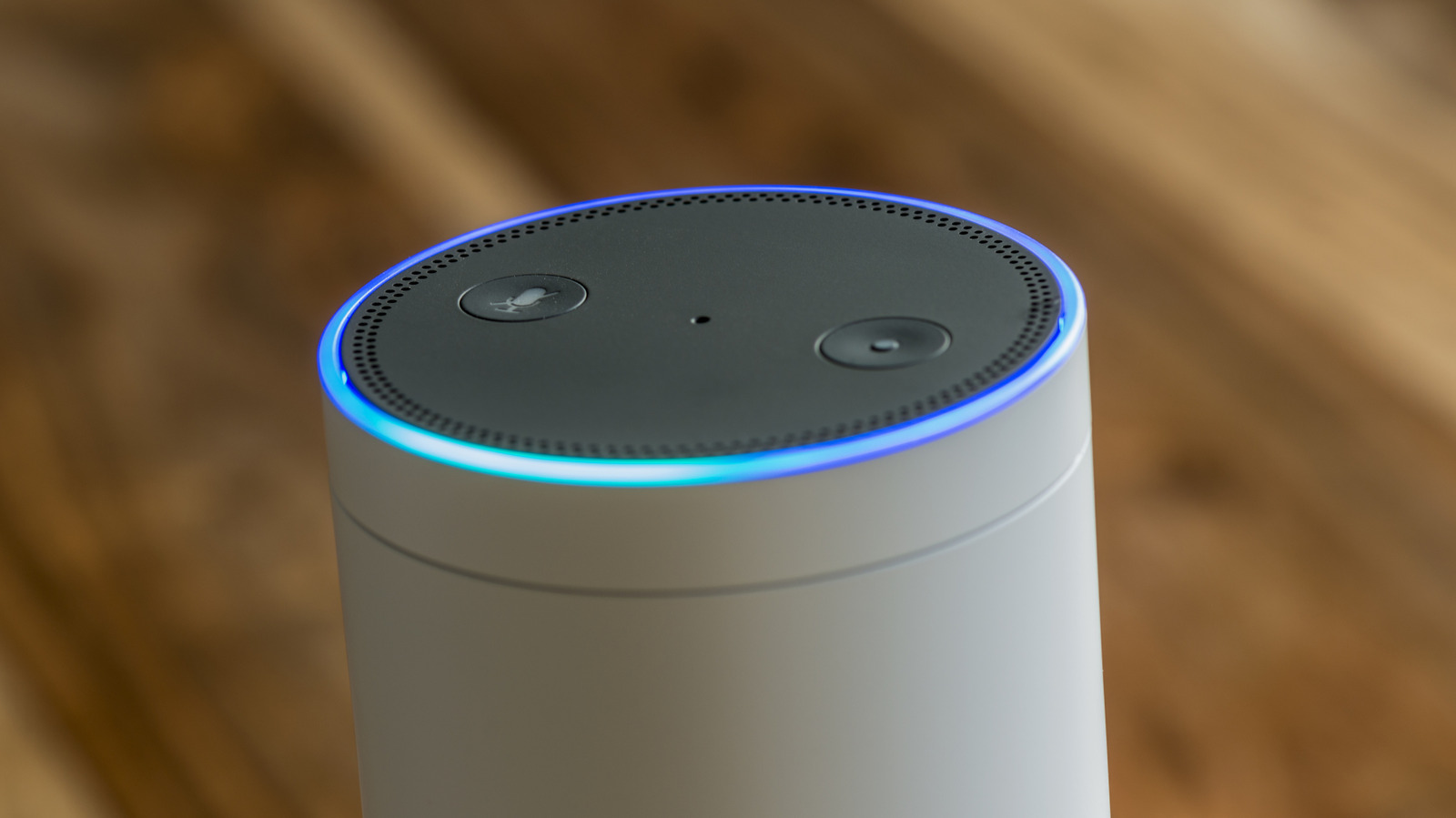
The real magic, however, happens at the transport layer. Earlier smart homes suffered from mesh fragmentation, where different brands created separate, isolated networks. Thread 1.4 solves this by allowing a border router from one brand to share credentials seamlessly with another. This means your Apple HomePod can help extend the range of your Google Nest devices, creating a single, resilient mesh networking structure across your entire property.
This evolution is a direct response to the complexity of modern living. In 2019, most homes managed about 11 gadgets; today, that number has surged to 22 connected devices per household. This density requires the high-bandwidth, low-latency communication that only a proper Thread implementation can provide.

Choosing Your Controller: Aqara vs. Homey Pro vs. Big Tech
The heart of your smart home ecosystem is the controller. In 2026, we no longer recommend hubs that lock you into a single brand. Instead, we look for a home automation hub that supports the multi-admin feature, allowing you to control your lights via an iPhone while your partner uses a Samsung tablet.
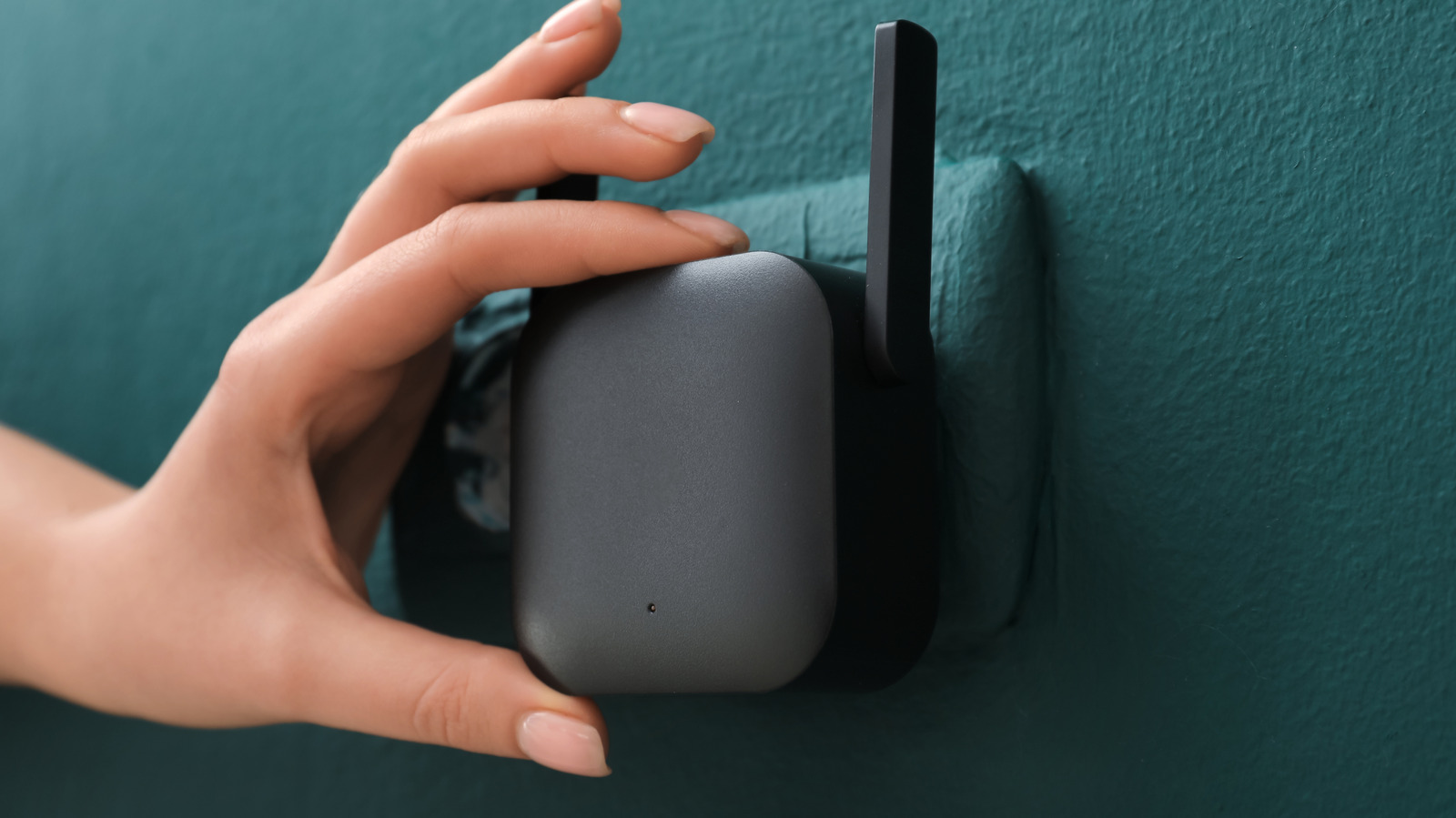
For those starting their journey, the Aqara Smart Hub M200 is an exceptional value. At approximately $70, it serves a triple role as a Matter controller, a Thread border router, and a Zigbee bridge. It bridges the gap between older sensors and the new Matter world, ensuring future-proofing for your existing investments.
On the other end of the spectrum is the Homey Pro 2026. This is the ultimate tool for enthusiasts. While big tech platforms like Apple Home and Amazon Alexa offer simplicity, Homey Pro provides deep local network control and supports a staggering number of devices. If you are choosing a multi-protocol hub aqara vs homey pro, the decision comes down to how much you want to customize your logic and whether you need support for legacy technologies like Z-Wave or Infrared.
| Feature | Aqara Smart Hub M200 | Homey Pro 2026 | Samsung SmartThings Station |
|---|---|---|---|
| Primary Protocol | Matter / Thread / Zigbee | 7+ Protocols (Incl. Z-Wave) | Matter / Thread / Zigbee |
| Device Limit | ~128 (via Zigbee) | 50,000+ | 200+ |
| Approx. Price | $70 | $399 | $60 |
| Best For | Value & Reliable Sensors | Power Users & Mixed Tech | Speed & Galaxy Integration |
Bridging Brands: Integrating Philips Hue and IKEA Smart Home
One of the most frequent questions we receive is how to integrate philips hue with ikea smart home devices without cluttering the hallway with five different bridges. In the past, this was a headache involving third-party apps and constant troubleshooting. In 2026, protocol bridging has become the standard solution.
By using a Matter-compatible hub, you can bring these two lighting giants together. Philips Hue remains the gold standard for color accuracy and premium features, while IKEA offers budget-friendly bulbs that are perfect for closets and hallways. When you connect a Philips Hue Bridge to your smart home ecosystem via Matter, all your Hue bulbs appear alongside your IKEA Trådfri gear.
There is a technical nuance to remember: when integrating Philips Hue and IKEA smart home components, using the Hue Bridge as your primary Matter link is the most stable method. However, note that while you can use the Touchlink feature to pair IKEA bulbs directly to a Hue bridge, those IKEA bulbs may not always receive firmware updates through the Hue system. For the best experience, we recommend using a universal controller like the Homey Pro or a dedicated Matter-enabled hub that treats both brands as equals in the interface.
Advanced Setup: Local Control and Privacy-First Automation
As the industry matures, we are seeing a significant shift toward local network control. Historically, smart homes relied on the cloud, meaning if your internet went down, your lights wouldn't turn on. In 2026, the best smart home ecosystem for matter compatibility 2026 prioritizes local processing. This not only improves speed—reducing the "popcorn effect" where lights turn on one by one—but also keeps your data inside your four walls.
For the privacy-conscious, setting up home assistant for local matter control is the gold standard. Home Assistant allows you to manage your home without any external servers. When paired with high-quality hardware like Eve Energy plugs, which use Thread for communication, you create a system that is incredibly fast and secure.
This local-first approach also aligns with the growing trend of eco-friendly automation. Since 72% of smart home buyers are motivated by reducing utility bills, local control ensures that your energy-saving automations—like turning off the AC when a window sensor is triggered—happen instantly and reliably, regardless of your ISP's status.
Technical Glossary: The Foundation
- Matter: The software layer (the language) that ensures interoperability between different brands.
- Thread: The hardware layer (the mesh networking) that provides a fast, low-power connection between devices.
- Border Router: A device (like a smart speaker or hub) that connects your Thread mesh network to your home Wi-Fi and the internet.
- Multi-Admin: A feature of Matter that allows one device to be controlled by multiple smart home platforms simultaneously.
FAQ
What is a smart home ecosystem?
A smart home ecosystem is a collective network of devices, sensors, and appliances that work together under a unified management system. It typically consists of a central controller or hub, a communication protocol like Matter or Thread, and an interface—such as a mobile app or voice assistant—that allows the user to monitor and automate their home environment.
How do I choose the best smart home ecosystem for my needs?
Choosing the best smart home ecosystem for my needs depends on your existing hardware and your technical comfort level. If you use an iPhone and value privacy, Apple Home with Matter-compatible devices is excellent. If you want maximum compatibility with older gadgets, a multi-protocol hub like Homey Pro is better. Always look for ecosystems that support the Connectivity Standards Alliance requirements to ensure long-term support.
Do all smart home devices work together?
Not all devices work together natively, but the industry is moving toward that goal. The introduction of Matter has bridged the gap for over 280 companies, allowing once-siloed brands to communicate. However, legacy devices using older versions of Zigbee or Z-Wave may still require a specific bridge to participate in a modern system.
Is a hub necessary for a smart home ecosystem?
While some Wi-Fi-based devices can connect directly to your router, a home automation hub or border router is highly recommended for a stable experience. Hubs reduce the load on your Wi-Fi network and are essential for using the low-power benefits of thread mesh networking for home automation. They also enable local control, ensuring your automations work even when the internet is down.
Can I mix different brands in one smart home ecosystem?
Yes, mixing brands is the primary advantage of a modern smart home ecosystem. Through Matter and protocol bridging, you can combine premium sensors from Aqara, lighting from Philips Hue, and smart plugs from Eve into a single dashboard. This flexibility allows you to choose the best individual product for each task rather than being locked into a single manufacturer's catalog.
Building Your 2026 Foundation
As you look to build or upgrade your home, remember that the foundation is more important than the individual gadgets. A house full of disconnected "smart" bulbs is just a collection of remote-controlled lights; a true smart home ecosystem is a proactive environment that saves you time and money.
Foundation Checklist
- Prioritize Thread: When buying new sensors or plugs, look for Matter over Thread support to ensure the most stable mesh networking.
- Check for Border Routers: Ensure you have at least two devices that can act as a Thread border router (like an Apple TV 4K or a Nest Hub) to provide redundancy.
- Audit Your Privacy: Opt for devices that support local network control to keep your data private and your response times low.
- Verify the Multi-Admin Feature: If you have a multi-platform household, confirm your hub allows you to share device access across different apps.
- Focus on Energy: Look for devices that provide energy monitoring to help meet that 72% goal of lower utility bills.
The difference between matter and thread for beginners might seem complex at first, but once you have a solid controller like the Aqara M200 or Homey Pro in place, the technology fades into the background. By choosing the right foundation today, you are ensuring that your home remains intelligent, efficient, and compatible for years to come.