Quick Facts
- Market Growth: The global AI in filmmaking market size was valued at approximately $3.24 billion in 2024 and is projected to reach $23.54 billion by 2033.
- Workflow Efficiency: According to industry reports, 62% of Hollywood visual effects studios have integrated automation, contributing to a 35% reduction in post-production timelines.
- Script Optimization: Research indicates that script analysis tools can predict the success or failure of screenplays with an 89% accuracy rate.
- Core Technology: Leading 2026 platforms like Google Flow and Google Veo 3.1 offer precise cinematic scene generation and camera angle control.
- Production Focus: Modern studios are moving from simple prompting to active directing, using AI voice cloning for cinema ADR and replacing traditional makeup with digital doubles for character de-aging.
As of May 2026, AI filmmaking has evolved from a novelty to a cornerstone of blockbuster production. Major studios and independent creators alike are leveraging AI script development tools and advanced AI visual effects workflows to shrink timelines and expand creative horizons by streamlining every stage of production from initial ideation to final rendering.
The Evolution of AI Script Development
The traditional screenwriter’s journey often begins with a blank page and a heavy dose of uncertainty. However, the rise of AI script development has introduced a layer of data-driven confidence to the creative process. Rather than replacing the human spark, these tools act as sophisticated sounding boards that help writers refine narrative structure and character arcs before a single frame is shot.
Professional screenwriters now use generative media platforms to brainstorm thousands of potential plot directions in seconds. These tools analyze historical box office data, audience sentiment, and genre conventions to suggest improvements in pacing. By identifying where a story might lose momentum, AI script development tools for professional screenwriters allow for a more visual-first writing style. This means a script can be developed alongside its initial visual concepts, ensuring that the dialogue and the intended cinematography are in perfect harmony from day one.
Beyond mere ideation, the predictive power of these systems has changed how studios greenlight projects. When a studio can analyze a screenplay and see an 89% accuracy rate in its predicted reception, the financial risk of a $200 million blockbuster becomes much more manageable. This shift does not mean scripts are written by machines; rather, it means that human creativity is being optimized through iterative testing. Writers can "stress test" their narrative structure against various audience demographics, allowing them to adjust the emotional beats of a story for maximum impact.
Pre-Visualization: From Google Flow to Scene Composition
Pre-visualization, or "previz," used to be an expensive and time-consuming stage involving rudimentary 3D models and months of manual labor. Today, the process of how to integrate AI into film production workflows often begins with advanced cinematic scene generation. Platforms like Google Flow, powered by the Google Veo 3.1 engine, allow directors to generate high-fidelity previews of their films by simply describing the scene and specifying camera movements.
The magic of these best AI filmmaking platforms for cinematic scene generation lies in their ability to maintain scene composition and character consistency. In a step-by-step guide to AI storyboarding with Google Flow, a director would first upload a reference package—including character sketches and environment moods—to ensure the AI understands the visual language of the film. From there, the director can use AI camera control to dictate complex shots, such as a slow dolly zoom or a high-angle panoramic sweep, without needing a physical set.
Using ImagineArt for an end-to-end pipeline takes this even further. ImagineArt allows for real-time scene editing, where storyboards can be updated instantly as the script changes. This fluid transition between the written word and the visual frame ensures that every member of the production team, from the cinematographer to the lighting tech, is on the same page. This level of pre-visualization drastically reduces the "guesswork" on set, saving millions of dollars in potential reshoots and ensuring that the final motion physics of a scene are planned out long before the actors arrive.
Production: AI Voice Cloning and Digital Doubles
The production phase has seen a radical transformation through the use of AI voice cloning in cinema and the creation of digital doubles. One of the most significant shifts is the replacement of traditional Automated Dialogue Replacement (ADR). Traditionally, actors would have to return to a recording booth months after filming to fix audio issues or change lines. Now, studios are using AI voice cloning for cinema ADR and dubbing to generate perfect vocal matches that maintain the emotional nuances of the original performance.
This technology is also vital for international releases. Instead of standard dubbing that often feels disconnected from the actor's facial movements, AI can now synthesize a foreign language performance that retains the actor’s unique vocal timbre and matches their lip movements. This ensures that a global audience receives the same authentic experience as the domestic one.
On the visual side, digital doubles and de-aging have moved past the uncanny valley. High-budget films now frequently employ AI character de-aging techniques for low-budget productions and blockbusters alike. By training a model on an actor’s past performances, filmmakers can create a digital double that looks and moves exactly like the actor did thirty years ago. This process relies on sophisticated motion physics to ensure that the skin, hair, and clothing react naturally to light and movement. These synthetic versions of actors allow for more creative freedom, enabling a character to age or de-age throughout a story without the need for prosthetic makeup or lengthy post-production delays.
| Tool Category | Key Platform | Core Benefit | Best For |
|---|---|---|---|
| Generation | Google Flow | Cinematic realism | High-end previz |
| Animation | LTX Studio | Directorial control | Scene consistency |
| Visual Effects | Sora 2 | Fluid motion | Creative ideation |
| Post-Processing | ImagineArt | Workflow pipeline | Storyboarding |
Post-Production: Advanced AI Visual Effects Workflows
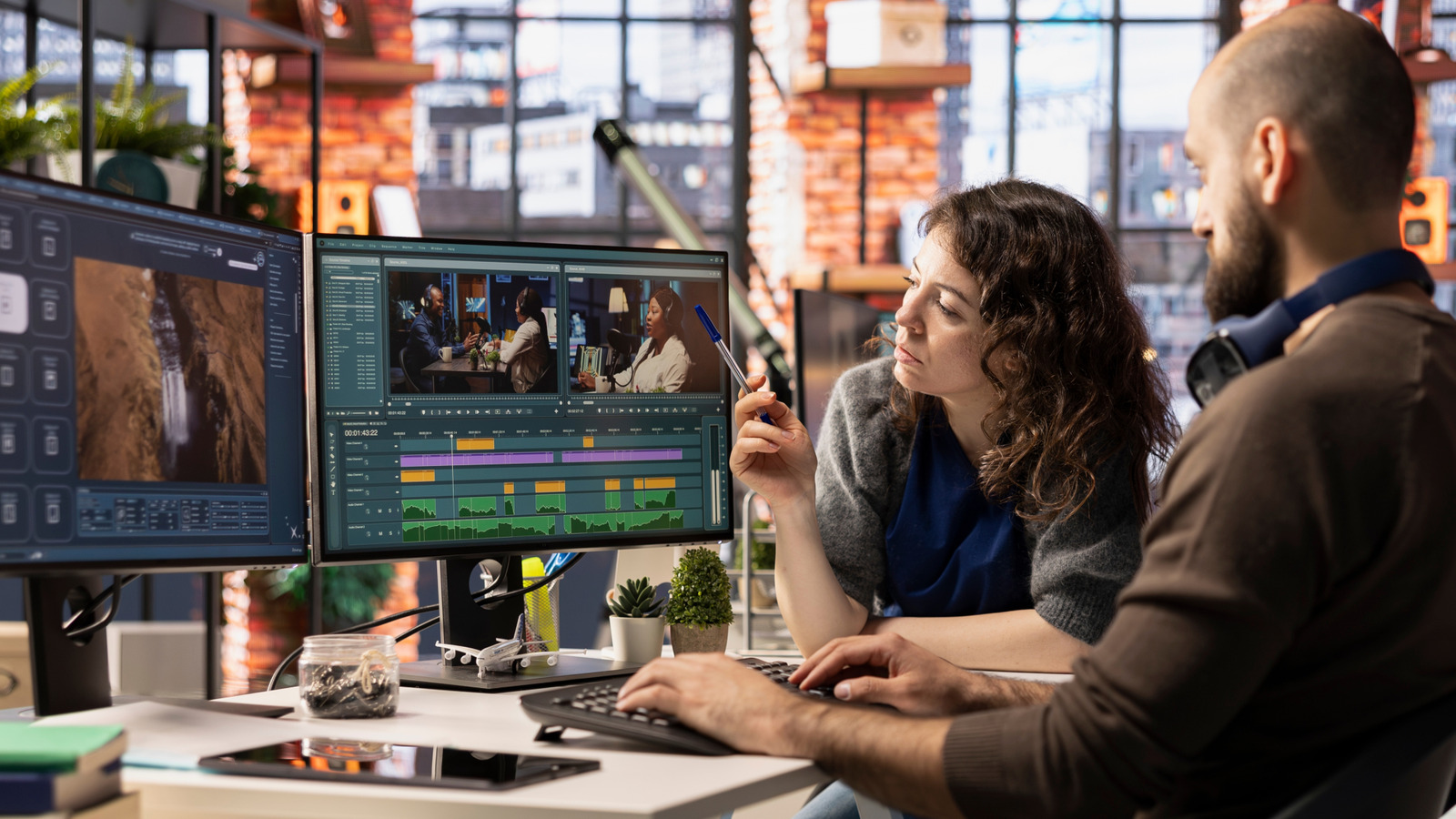
Post-production is where the most significant time savings occur. Implementing AI visual effects in independent films and blockbusters has become standard practice as the industry embraces hybrid workflows. Rather than replacing traditional software like Nuke or DaVinci Resolve, AI is being integrated into them. Editors use Python scripts to automate complex nodes within environments like ComfyUI, allowing for rapid object removal and automated color grading.
One of the most impressive feats in modern post-production is high-resolution 4K AI upscaling for cinematic releases. This technology allows filmmakers to shoot in lower resolutions or use archival footage and upscale it to a crisp, photorealistic rendering that meets the demands of IMAX screens. The upscaling process doesn't just stretch pixels; it uses deep learning to "fill in" the details based on its understanding of light and texture.
The integration of AI visual effects workflows also simplifies the compositing process. Tasks that used to take weeks—such as rotoscoping (cutting out an actor from a background) or matching lighting across different shots—are now handled by AI in a fraction of the time. This efficiency allows the visual effects team to focus on the creative aspects of the frame rather than the repetitive technical labor. By automating the "grunt work," the final product achieves a level of polish that was previously impossible within standard production schedules.
Legal & Ethical Frameworks: Likeness and IP
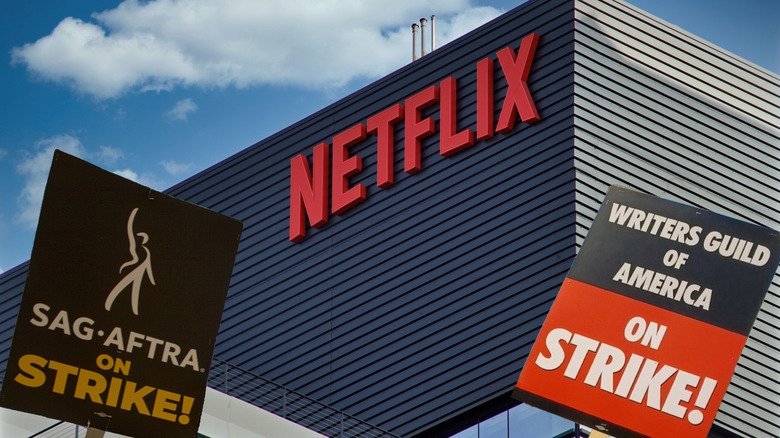
As technology advances, the industry is also grappling with the legalities of likeness rights and intellectual property. The use of digital doubles and AI voice cloning has led to landmark negotiations between labor unions like SAG-AFTRA and major studios. Contracts now frequently include specific clauses regarding how an actor's likeness can be used or recreated in the future, ensuring that performers maintain control over their digital selves.
Ethics also play a major role in how training data is handled. To protect intellectual property, many studios are moving toward using "commercially safe" AI models trained on licensed datasets from providers like Moonvalley or Getty. This ensures that the generated media used in a film does not infringe on the work of other artists.
The challenge of the uncanny valley remains a talking point in ethical circles. As synthetic voices and digital faces become indistinguishable from reality, the industry must maintain transparency about what is real and what is generated. While the goal is total photorealistic rendering, the human element—the subtle imperfections that make a performance "real"—remains the most valued asset in filmmaking.
FAQ
What is AI filmmaking?
AI filmmaking is the strategic integration of artificial intelligence and machine learning tools across the entire cinematic production pipeline. It involves using algorithms to assist with script writing, storyboarding, visual effects, and even sound design to increase efficiency and lower costs while expanding creative possibilities.
How is AI used in the film industry?
AI is used in various ways, from pre-production script analysis and automated storyboarding to production-phase tasks like digital de-aging and voice cloning. In post-production, it helps with tasks like rotoscoping, color grading, and upscaling footage to 4K or higher resolutions.
Can AI write a complete movie script?
While AI can generate a complete script based on specific prompts, the current industry standard is to use it as a collaborative tool. It is highly effective at structuring narratives, generating dialogue ideas, and identifying pacing issues, but the "soul" and emotional depth of a blockbuster script still largely depend on human writers.
Will AI replace filmmakers and actors?
The consensus among industry leaders is that AI will augment rather than replace human talent. While it automates repetitive tasks and enables new visual feats, the creative vision of a director and the authentic emotional performance of an actor are still the primary drivers of successful cinema.
What are the best AI tools for video production?
Current industry leaders include Google Flow for cinematic scene generation, LTX Studio for directorial control, and ImagineArt for end-to-end storyboarding pipelines. For visual effects, tools that integrate with Nuke and DaVinci Resolve are highly valued by professionals.
What are the ethical concerns of AI in filmmaking?
The primary ethical concerns involve likeness rights, where an actor's face or voice might be used without proper consent, and intellectual property issues regarding the data used to train AI models. There are also ongoing discussions about the impact of automation on industry jobs and the potential for deep fakes to deceive audiences.