Our Top Picks
- Dune: Part Two: The gold standard for peak brightness and high-bitrate HDR testing.
- The Batman: Essential for evaluating OLED black levels and near-black performance.
- A Clockwork Orange: A masterclass in 35mm film transfers for checking cinematic textures.
- Akira: The definitive test for color volume and display calibration in high-end animation.
- Mad Max: Fury Road: A reference quality disc for checking motion clarity and wide color gamut.
To test a new 4K TV, the best 4K movies are those featuring high-bitrate HDR and complex visual textures. Modern reference titles like Dune: Part Two and Doctor Strange in the Multiverse of Madness showcase peak brightness and color gamut expansion. Classic restorations such as A Clockwork Orange and The Empire Strikes Back are essential for evaluating film grain and the accuracy of 35mm film transfers on modern panels.
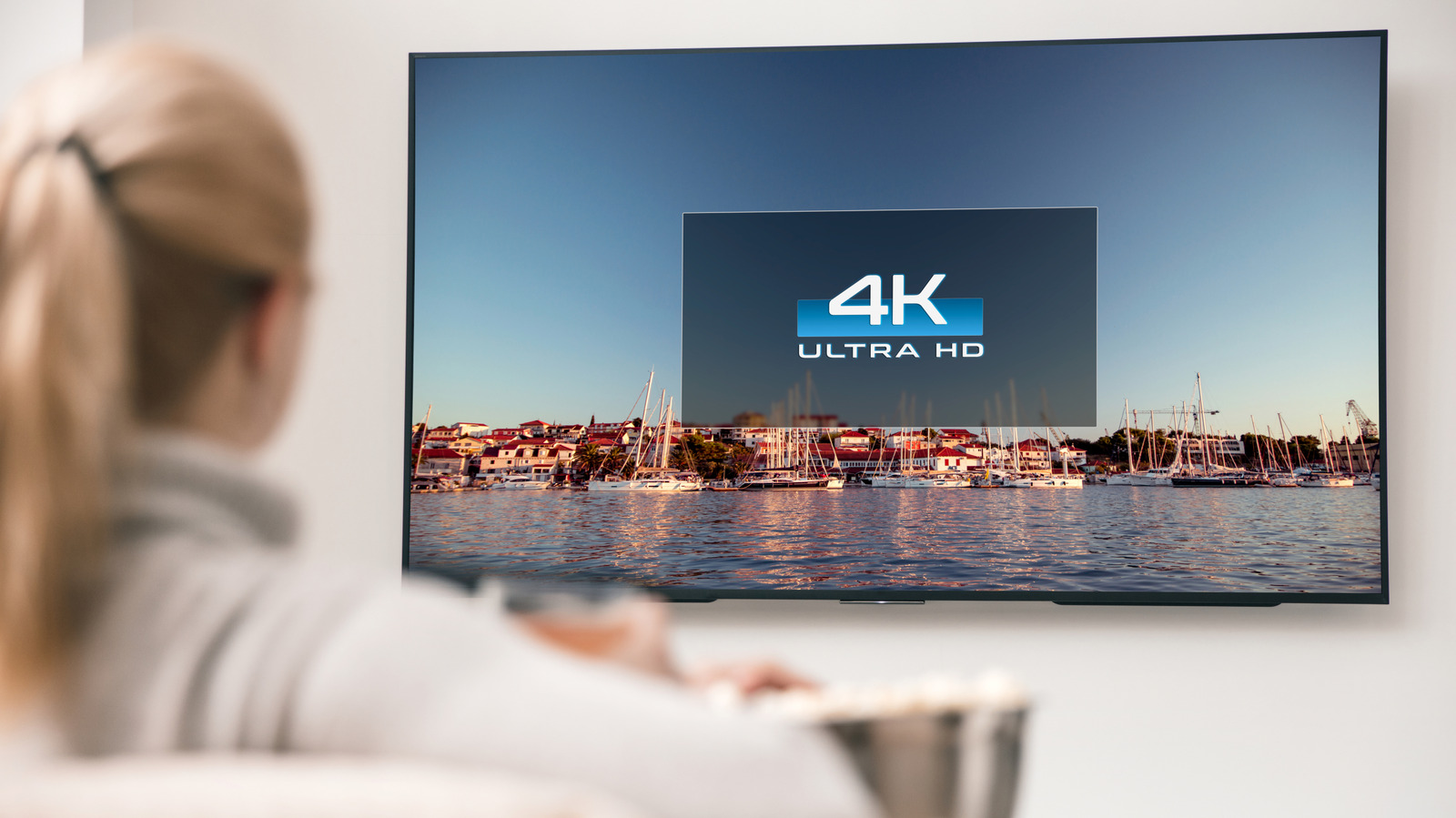
Just unboxed a new 4K TV? To truly test your hardware, you need high-bitrate reference quality movies that push peak brightness and infinite contrast beyond streaming limits. In 2026, physical media remains the gold standard for home cinema. While internal apps are convenient, they often starve your expensive panel of the data it needs to perform at its peak. If you want to see what your hardware is actually capable of, you need to look beyond the "Netflix calibrated mode" and feed it the highest quality source material available.
Why Your TV Needs Physical Media in 2026
If you spent top dollar on a Mini-LED or OLED flagship this year, relying solely on streaming is like putting low-octane fuel in a supercar. Global market data indicates that 74% of all new television purchases in 2024 were 4K Ultra High Definition (UHD) enabled models, yet a vast majority of users never see their screen's true potential. The bottleneck is the bitrate.
Physical 4K Blu-ray discs provide a significantly higher video bitrate of up to 128 Mbps compared to the 17-25 Mbps average offered by most 4K streaming services. This massive difference in data translates directly to image stability. On a streaming platform, dark scenes often suffer from "macroblocking"—those ugly, pixelated squares in the shadows. On a triple-layer (BD-100) disc, the high bitrate encoding ensures that gradients are smooth and fine details remain sharp even in the most chaotic sequences.
| Performance Metric | 4K Ultra HD Blu-ray (Reference) | 4K Streaming (Average) |
|---|---|---|
| Video Bitrate | Up to 128 Mbps | 15 - 25 Mbps |
| Audio Quality | Lossless Dolby TrueHD / DTS-HD MA | Lossy Dolby Digital Plus |
| HDR Stability | Hardware-locked, constant | Variable based on bandwidth |
| Compression Artifacts | Near-zero | Visible in dark/fast scenes |
Reference-quality cinema is best experienced through physical media rather than streaming platforms. These discs offer less compression, which is crucial for maintaining near-black performance and infinite contrast on OLED screens. Boutique distributors like Arrow Video and Second Sight provide specialized encodes that maximize shadow detail and color accuracy, ensuring hardware reaches its full potential. While consoles like the PS5 are great entry points, keep in mind they often have specific limitations regarding Dolby Vision for physical discs, so a dedicated player is usually the best 4k blu-ray movies for reference quality experience.
1. Dune: Part Two - The HDR & Soundstage Benchmark
When it comes to visually stunning 4k movies for hdr testing, Denis Villeneuve’s latest epic is the current undisputed heavyweight champion. This film was mastered with a 4000-nit target, meaning it will push your TV's tone mapping to the absolute limit. If you have a high-end Mini-LED screen, this movie will show you exactly how bright those highlights can get without losing detail in the clouds or the desert sand.
The Dolby Atmos track is equally impressive. The soundstage is wide and vertical, utilizing height channels to immerse you in the scale of Arrakis. To truly test your panel's capability, jump to 01:14:00. The high-contrast black-and-white sequence under the black sun of Giedi Prime is a torture test for local dimming zones. If your TV has poor backlight control, you will see "blooming" (light leaking into the black areas). On a high-quality display, the transition between the stark white skin and the deep black ink should be razor-sharp.
Technical Snapshot
- Resolution: Native 4K
- HDR Format: Dolby Vision / HDR10+
- Peak Bitrate: ~92 Mbps
- Primary Test: Peak brightness and color gamut expansion
What to Look For:
- Detail in the swirling sand particles during the worm-riding sequences.
- The metallic sheen of the Ornithopters against the hazy orange sky.
- Zero "crushing" in the dark interiors of the Fremen sietch.

2. The Batman - Testing OLED Shadow Detail & Black Levels
While most HDR films aim for the brightest whites, Matt Reeves' The Batman is a different beast entirely. The 2022 film The Batman is frequently used to test black levels and shadow detail because it was mastered at 400 nits of brightness, which is much lower than the 1,000-nit industry standard. This makes it one of the best 4k movies to test new tv 2026 hardware specifically for its near-black performance.
If you are using an OLED screen, this film should showcase infinite contrast. However, if your TV’s "black crush" is too aggressive, you’ll lose the texture of Batman’s cape or the grime on the Gotham streets. It’s a 4k movies with best shadow detail for oled experience that reveals whether your processor can distinguish between "absolute black" and "dark grey." Look at the rain-soaked highway chase; the orange fire from the explosions should pop against the deep, dark surroundings without causing a grey "fog" over the rest of the image.
Technical Snapshot
- Resolution: Native 4K
- HDR Format: Dolby Vision
- Peak Bitrate: ~75 Mbps
- Primary Test: Near-black performance and local dimming zones
What to Look For:
- Visible texture in the shadows of the Batcave.
- The absence of backlight bleed in the letterbox bars during dark scenes.
- The specific hue of the red flares against the pitch-black subway tunnels.

3. A Clockwork Orange - The 35mm Film Grain Test
Modern digital movies are clean, but classic 35mm film transfers are the best way to test your TV’s image processing. Warner Bros.' 4K restoration of A Clockwork Orange is a revelation. Many entry-level TVs try to "clean up" film grain, which results in a waxy, unnatural look. A high-quality processor will preserve the organic cinematic textures while sharpening the underlying detail.
This disc is essential for evaluating how your TV handles "noise." Film grain is a part of the artistic intent, and your screen should display it as a fine, moving texture rather than static digital interference. The vibrant, kitschy colors of the Korova Milk Bar also test your TV's ability to render saturated primaries without looking artificial. This is arguably the best 4k movies for hdr color accuracy testing when it comes to the "Technicolor" look of the 70s.
Technical Snapshot
- Resolution: 4K Restoration from 35mm Original Camera Negative
- HDR Format: HDR10
- Peak Bitrate: ~82 Mbps
- Primary Test: Film grain preservation and chromatic accuracy
What to Look For:
- The fine weave of the costumes in Alex’s bedroom.
- Stable, natural-looking skin tones during the bright outdoor sequences.
- Lack of "shimmering" or digital artifacts in the textured white walls.

4. Akira - Reference Quality 4K Animation
Animation is often overlooked in hardware reviews, but Akira in 4K is a masterclass in hand-drawn clarity. This isn't just a simple upscale; it's a meticulously cleaned-up version of a masterpiece. When testing a screen, best 4k animated movies for display calibration like Akira help you see if your TV can handle intense, saturated colors like "Neo-Tokyo Red" without clipping.
The HDR here is used sparingly but effectively, specifically in the neon lights of the city and the iconic motorcycle tail light streaks. If your TV’s color volume is high, the reds and blues will feel incredibly vivid and "deep" rather than just bright. This is also a great test for motion handling; the fast-paced bike chases should remain fluid without the TV’s "motion smoothing" creating a soap-opera effect.
Technical Snapshot
- Resolution: 4K Restoration
- HDR Format: HDR10
- Peak Bitrate: ~88 Mbps
- Primary Test: Color volume and hand-drawn line clarity
What to Look For:
- The "glow" of the neon signs against the dark city buildings.
- The sharpness of the hand-drawn lines during high-speed movement.
- Consistency in the deep primary colors across the entire panel.

5. Mad Max: Fury Road - Motion Clarity & Wide Color Gamut
If you want a disc that simply screams "reference quality," this is it. Mad Max: Fury Road is famous for its orange-and-teal color palette, which pushes the wide color gamut of modern displays. This is one of the best action movies for testing 4k motion clarity because the practical effects and high-speed chase sequences provide a constant challenge for the TV's refresh rate.
As the War Rig thunders across the desert, pay attention to the clarity of the moving vehicles. If your TV has a slow response time, you might see "ghosting" or blurring behind the cars. High-end panels will keep the image sharp even in the middle of a sandstorm. Furthermore, the HDR highlights in the explosions are some of the most intense ever put to disc, making it a visually stunning 4k movies choice for anyone wanting to show off their screen’s peak luminance.
Technical Snapshot
- Resolution: 4K (Upscaled from 2K DI, but with superior HDR mastering)
- HDR Format: Dolby Vision / HDR10
- Peak Bitrate: ~78 Mbps
- Primary Test: Motion handling and wide color gamut
What to Look For:
- Individual sparks and debris in the many vehicle crashes.
- The intense, saturated blue of the "night" sequence (which was filmed in bright daylight).
- The metallic reflections on the chrome-plated steering wheels.

FAQ
What movies are best for testing a 4K TV?
The best movies for testing include Dune: Part Two for peak brightness, The Batman for black levels, and Mad Max: Fury Road for color and motion. Ideally, you want a mix of modern digital films and high-quality 35mm film restorations to see how your TV handles different textures.
Are 4K Blu-rays better than 4K streaming?
Yes, significantly. 4K Blu-rays offer bitrates up to 128 Mbps, whereas streaming services usually top out at 25 Mbps. This extra data prevents pixelation in dark scenes and provides lossless audio that streaming cannot match.
Which movie has the best 4K visual quality?
Dune: Part Two is currently widely considered the reference standard for 4K visual quality in 2026. Its combination of native 4K resolution, massive HDR range, and incredible sound design makes it the ultimate demo disc for high-end home theaters.
What are the best 4K movies to watch for HDR?
For HDR testing, Mad Max: Fury Road and Spider-Man: Into the Spider-Verse offer incredible color pops. For testing brightness and highlight detail, 1917 and Dune: Part Two are excellent choices due to their high-nit mastering.
What old movies look best in 4K?
Classic films like 2001: A Space Odyssey, Lawrence of Arabia, and The Shining look spectacular in 4K. Because they were shot on 35mm or 70mm film, they contain more "natural" detail than even some modern digital movies, and the 4K restorations bring out colors and textures never seen on home video before.