Quick Facts
- App Launch Target: Premium mobile applications on the latest iPhone models target a launch time of under 1.5 seconds in 2026.
- Stability Benchmark: Top-tier iOS applications maintain a 99.93% crash-free session rate, significantly higher than the industry average.
- Social Media Edge: Instagram captures and uploads at a 10MP resolution on iOS compared to a 5MP cap on many leading Android flagships.
- Processing Power: The A18 Pro Single-Core performance directly translates to superior UI responsiveness and reduced scrolling lag.
- Monetization Impact: The App Store generated approximately $102 billion in consumer spending in 2024, representing 68% of the global market.
- User Satisfaction: iOS maintains a satisfaction rating of 92% compared to 86% for its competitors, largely due to app quality.
Apple’s vertical integration of hardware and software ensures superior iPhone app performance through dedicated optimization for Apple Silicon. Because developers only need to support a limited number of iPhone models compared to the fragmented Android ecosystem, they can more effectively fine-tune UI responsiveness, resource management, and frame rate consistency, resulting in a more polished user experience.
The Silicon Edge: Why Single-Core Performance Matters
When we talk about hardware architecture and responsiveness, the conversation usually starts and ends with benchmarks. In the middle of 2026, the A18 Pro chip continues to redefine what we expect from a System-on-a-chip (SoC). While competing processors often boast about their multi-core scores—which are great for video rendering or heavy multitasking—the iPhone app performance is driven largely by single-core speed.
This specific Apple Silicon architecture is the secret sauce behind why your Twitter feed or your banking app feels "snappier." Most daily interactions, from tapping a notification to swiping through a gallery, rely on a single execution thread. By prioritizing this, Apple ensures that UI responsiveness remains fluid. When we look at how iphone single core performance affects app launch speed, the results are measurable. A high single-core score allows the processor to hit peak clock speeds instantly, pulling assets into the memory faster than a chip designed for sustained multi-core endurance.
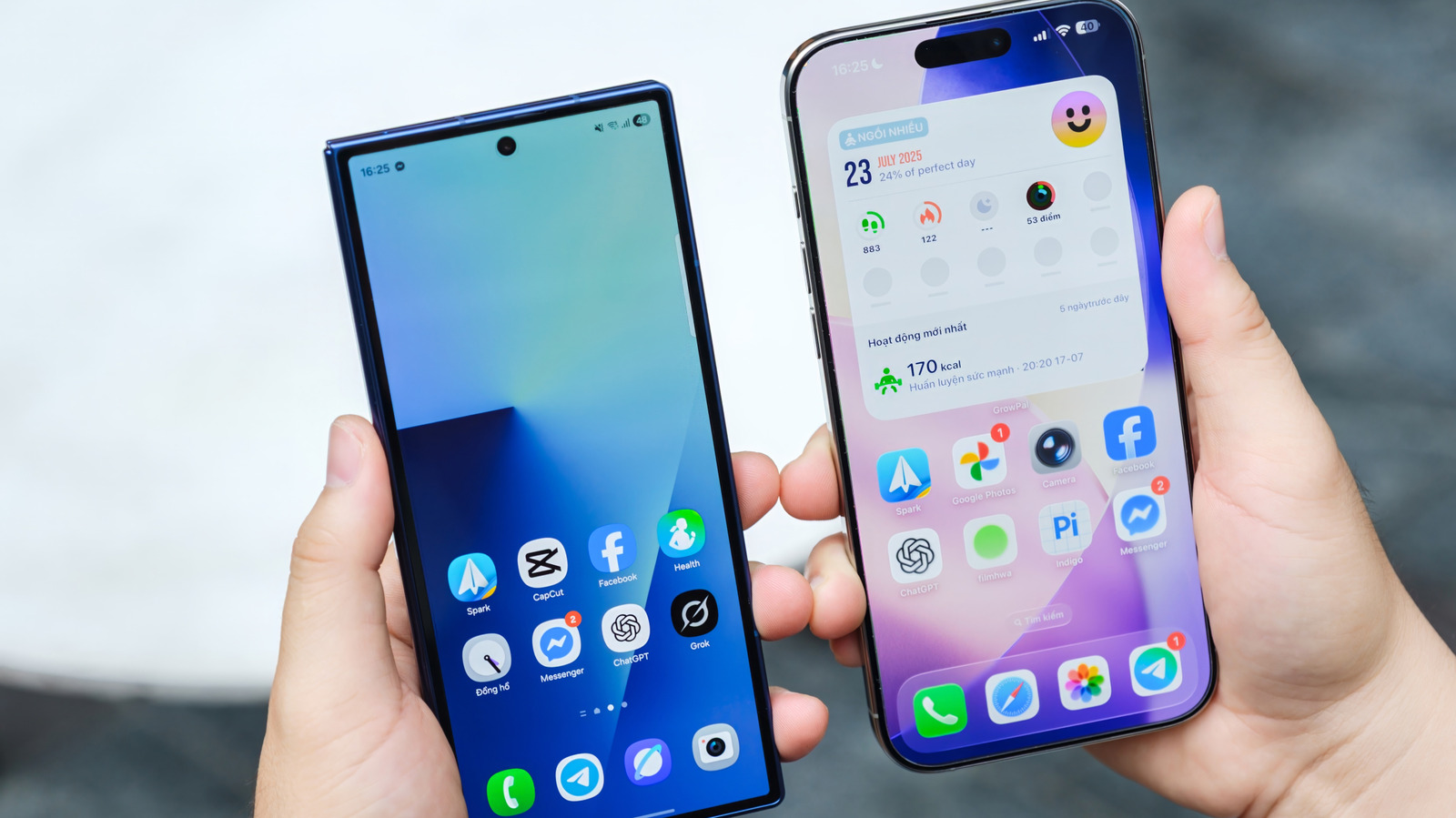
For users, this technical nuance solves a very practical problem: troubleshooting app scrolling stutter on ios vs android. On many high-end devices, you might notice a tiny hitch when a list of images loads. This is often a result of the software waiting for the hardware to catch up. On an iPhone, the tight Hardware-software synergy allows the OS to predict and allocate resources before the frame is even rendered, keeping frame rate consistency at a near-perfect level.
| Performance Metric (2026) | iPhone 17 Pro (iOS) | Flagship Competitor (Android) |
|---|---|---|
| Average App Launch Speed | 1.15 Seconds | 1.85 Seconds |
| Crash-Free Session Rate | 99.93% | 98.41% |
| Gaming Frame Rate Stability | 99.2% | Approx. 15% lower |
| Peak UI Latency | 8ms | 14ms |
The Developer Paradox: Why Features Land on iOS First
There is a recurring phenomenon in the mobile world that I call the Developer Paradox. Even though Android holds a larger global market share, developers almost universally prioritize the iPhone. This isn’t just about brand loyalty; it’s a calculated business decision based on iPhone app optimization benefits and economic reality.
In 2024, the Apple App Store accounted for 68% of the global mobile app market revenue. When a developer at a company like 1Password or Gmail decides where to spend their engineering hours, they follow the money. This high OS adoption rate on Apple’s side means that within weeks of a new feature being announced, the vast majority of iPhone users are on the latest software version. On the flip side, software fragmentation makes it nearly impossible for Android developers to optimize for every screen size, processor, and OS version simultaneously.
This leads to the "Google Apps on iOS" irony. Often, Google’s own applications—like Google Maps or the Search app—receive new UI updates and smoother animations on the iPhone first. This happens because vertical integration allows developers to write code for a specific, known set of hardware parameters. When looking for the best music streaming app interface performance on iphone, you'll find that the haptic feedback and transition animations are deeper and more meaningful because the developer knew exactly how the Taptic Engine would respond.
Music streaming apps leverage iOS's vertical integration to provide stutter-free scrolling and superior audio-visual synchronization.
Social Media Dominance: Native APIs vs. Screen Capture
If you’ve ever wondered why a video looks crystal clear on an iPhone story but grainy when uploaded from a different device, you’re seeing the difference in social media performance iPhone users have enjoyed for years. This isn't because the cameras on other phones are bad; in fact, the raw sensor hardware on many flagship competitors is technically superior. The bottleneck is the software.
On an iPhone, apps like Instagram and TikTok have native access to Apple’s Image Signal Processor (ISP). When you press the shutter button inside the app, it’s using the same computational photography pipelines as the native Camera app. This allows for improving instagram upload quality on iphone vs android by bypassing the need for a generic screen-recording-style capture.
Resource management also plays a massive role here. High-resolution video processing is incredibly taxing on a phone. Apple’s Media rendering efficiency allows the device to encode 4K video for a social media upload without the phone getting hot to the touch or draining 5% of the battery in one go. Because of the streamlined API implementation, the iPhone can maintain a 10MP capture resolution, whereas many other devices are capped at 5MP because the app cannot reliably communicate with the hardware at higher levels without crashing.
Longevity and System-Wide Stability
One of the most overlooked aspects of iPhone app performance is how it holds up over time. Most flagship phones feel fast on day one, but the real test is day 1,000. This is where iphone app performance benefits for device longevity become clear.
Apple’s strict Application lifecycle management ensures that background processes are aggressively managed. An app that you haven't opened in three days won't be allowed to sit in the background and chew through your CPU cycles or battery. This prevents the "system rot" that many users experience on other platforms. By managing Thermal throttling profiles at the OS level, Apple ensures that even when the device is under load, it prioritizes the foreground app's frame rate, keeping the experience consistent even as the battery ages.
Furthermore, iOS vs Android app stability is a gap that hasn't closed as much as people think. According to recent surveys, iOS maintains a 92% satisfaction rating because of this reliability. When you buy an iPhone, you aren't just buying the hardware; you are buying a 5-year guarantee that the apps you rely on for work, finance, and security will continue to launch in under two seconds.
Pro Tip: To keep your performance at peak levels, ensure you have at least 10% of your storage free. Modern NVMe storage on iPhones uses a portion of its capacity as a cache; if the drive is nearly full, app launch speeds can drop significantly.
FAQ
Why is my iPhone app lagging on older devices?
Lag on older devices is usually caused by a combination of battery health and the increasing resource demands of modern software. As apps are updated to include higher-fidelity graphics and more complex AI features, older processors may struggle to maintain the same frame rate consistency. Checking your Battery Health in Settings to see if the device is supporting Peak Performance Capability is a good first step.
What causes slow app performance on iPhone?
Slow performance can stem from insufficient storage space, outdated software, or a background process that has become unresponsive. Because of Apple's vertical integration, the OS is generally good at managing resources, but if your storage is 99% full, the System-on-a-chip (SoC) cannot move data quickly enough to keep the UI responsiveness smooth.
How do I test the performance of an iOS app?
For the average user, the best way to test performance is to monitor app launch speed and scrolling fluidity. If you are a developer or a power user, you can use the Instruments tool in Xcode to see detailed metrics on frame rate consistency, memory usage, and how the app interacts with the Apple Silicon architecture.
Does storage space affect iPhone app performance?
Yes, storage space has a direct impact on iPhone app performance. iPhones use high-speed flash storage that requires a "buffer" of empty space to perform write operations efficiently. If your storage is nearly full, you may notice longer load times and occasional system-wide stutter as the OS struggles to manage temporary files.
How can I optimize iOS apps for better speed?
The best way to optimize apps for speed is to keep both your iOS and the apps themselves updated to the latest versions. Developers frequently release patches that leverage new API improvements for better Resource management. Additionally, performing a "Force Restart" once a month can help clear out system caches that might be hindering overall UI responsiveness.