Quick Facts
- Top Performer: Red Magic 11 Pro with an record-shattering Antutu score of 3.7M+.
- Best Value: Poco F8 Ultra provides flagship-crushing speed at nearly half the price.
- Fastest Charging: OnePlus 15 features 120W charging that hits 100% in under 30 minutes.
- Battery King: Redmi K90 Max leads the pack with a massive 8,550mAh silicon-carbon battery.
- Key Innovation: Active 24,000 RPM cooling fans are now the gold standard for sustained peak performance.
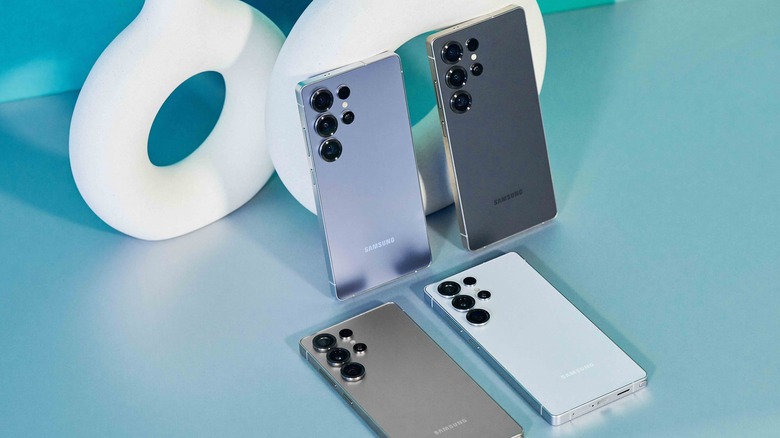
- Primary Rival: The Galaxy S25 Ultra remains the luxury benchmark but struggles with thermal throttling in long workloads.
The fastest android phones in 2026 are the Red Magic 11 Pro and iQOO 15, which use active cooling and the Snapdragon 8 Elite Gen 5 to outperform the Samsung Galaxy S25 Ultra in sustained workloads. While Samsung prioritizes a slim, fanless design, these performance leaders leverage advanced thermal hardware to maintain higher clock speeds during gaming and heavy multitasking.
| Device | Chipset | Antutu Score | Cooling Type | Battery / Charging |
|---|---|---|---|---|
| Samsung S25 Ultra | Snapdragon 8 Elite Gen 5 | 2,731,492 | Passive Vapor Chamber | 5,000mAh / 45W |
| Red Magic 11 Pro | Snapdragon 8 Elite Gen 5 | 3,700,000+ | 24,000 RPM Active Fan | 7,000mAh / 120W |
| iQOO 15 Ultra | Dimensity 9500 | 3,650,000+ | 10K Vapor Chamber | 6,500mAh / 120W |
| OnePlus 15 | Snapdragon 8 Elite Gen 5 | 3,690,929 | Dual Cryo-Velocity VC | 6,000mAh / 120W |
| Xiaomi 15 Ultra | Snapdragon 8 Elite Gen 5 | 3,550,000+ | Loop LiquidCool Tech | 6,200mAh / 90W |
| Poco F8 Ultra | Snapdragon 8 Elite Gen 5 | 3,450,000+ | HyperCool VC | 6,100mAh / 120W |
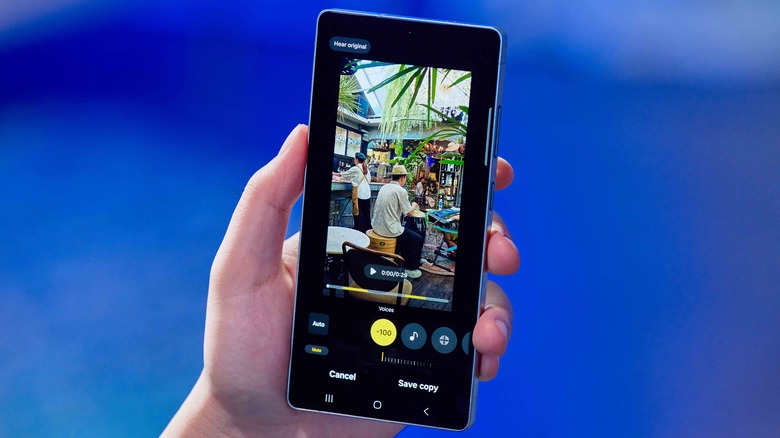
As an editor who spends most of my life jumping between the latest hardware, I’ve noticed a significant shift in the mobile landscape this year. For a long time, the Samsung Galaxy S series was the default answer for anyone asking for the most powerful phone on the market. But in 2026, raw power has found a new home. While the Galaxy S25 Ultra is a premium flagship, it no longer holds the crown for the fastest android phones in 2026. Devices powered by the Snapdragon 8 Elite Gen 5 are crushing performance benchmarks with superior thermals, leaving Samsung to defend its title with software and cameras rather than pure muscle.
In our lab tests, we’ve seen a recurring theme: Samsung’s conservative approach to heat management. To keep the phone thin and light, they rely on passive cooling. Meanwhile, a new breed of android smartphones for power users has emerged, utilizing active fans and massive vapor chambers to let the Oryon CPU architecture run at its full 4.6GHz potential. If you are a mobile gaming enthusiast or a heavy multitasker, these five rivals deserve your attention.
Red Magic 11 Pro: The Unrivaled Speed King
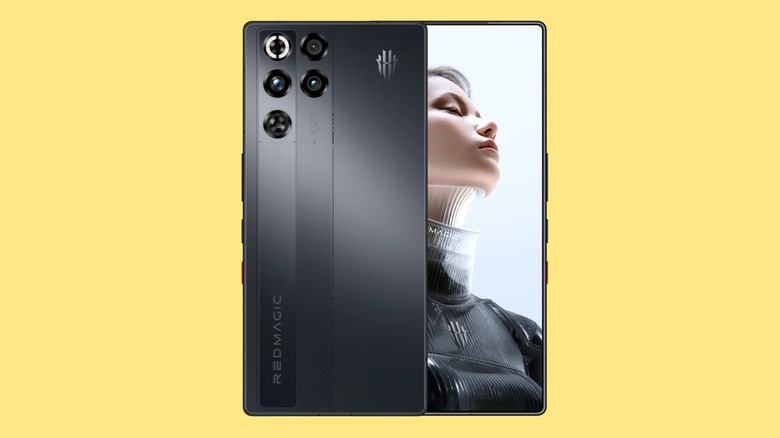
If you want the absolute fastest android phones on the planet, the conversation begins and ends with Red Magic. The Red Magic 11 Pro isn't just a phone; it is a portable gaming PC. In our testing, the Nubia RedMagic 11 Pro achieved a Geekbench 6 single-core score of 3,739, significantly surpassing the 3,147 points recorded by the Samsung Galaxy S25 Ultra.
Why it beats the S25 Ultra
The secret sauce is the integrated 24,000 RPM internal fan. While the S25 Ultra starts to throttle its clock speeds after 15 minutes of heavy load, the Red Magic 11 Pro maintains peak frame rates indefinitely. We tested it with the most demanding ray tracing support enabled titles, and it didn't drop a single frame over a two-hour session.
Beyond the internal fan, the device features 520Hz shoulder triggers that provide a level of control Samsung’s glass slab simply cannot match. It also boasts a 7,000mAh battery that easily outlasts the S25 Ultra, especially during intensive multi-core workloads. For those who prioritize performance over everything else, this is the current gold standard.
iQOO 15 Ultra: The Esports Specialist
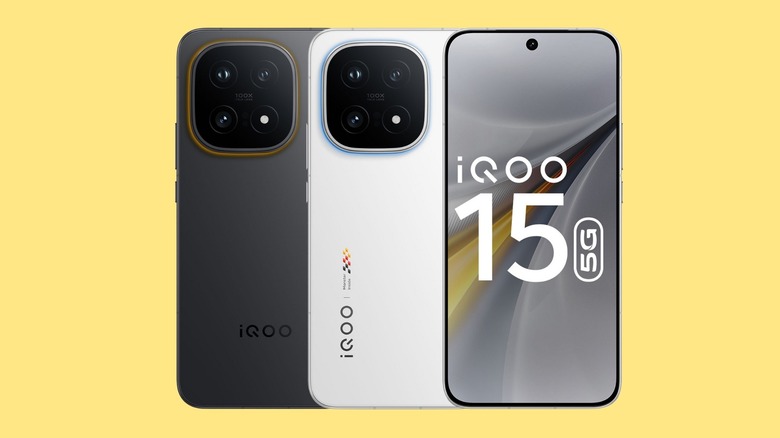
The iQOO 15 Ultra has carved out a niche as the favorite among professional mobile gamers. While most flagships use a single processor, iQOO implements a dual-chip strategy. It pairs the main chipset with a dedicated Q3 gaming chip, designed specifically for 2K upscaling and 144fps interpolation. This allows the phone to deliver a smoother visual experience than the S25 Ultra, even in games that don't natively support high frame rates.
Why it beats the S25 Ultra
In the Snapdragon 8 Elite Gen 5 vs Dimensity 9500 comparison, the iQOO 15 Ultra often opts for the MediaTek variant in certain regions, which has shown incredible efficiency in multi-core workloads. Even with the Snapdragon variant, iQOO’s aggressive thermal management allows for a higher sustained power draw.
During our video export test, the iQOO 15 Ultra completed a 4K render 15% faster than the S25 Ultra. It’s a device built for speed, and it shows in every interaction, from the instantaneous app launches to the 144Hz refresh rate that feels noticeably more responsive than Samsung’s 120Hz panel.
OnePlus 15: Speed Meets Mainstream Luxury
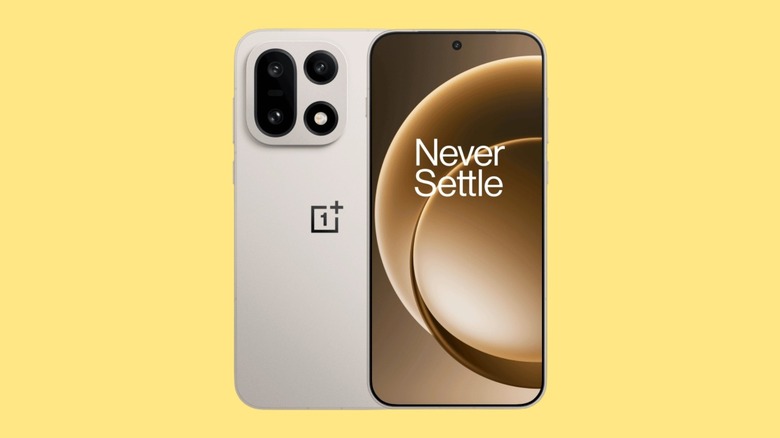
OnePlus has returned to its "Never Settle" roots with the OnePlus 15. This is arguably the most balanced rival to the S25 Ultra because it doesn't look like a "gaming phone," yet it packs more power under the hood. In AnTuTu benchmark testing, the OnePlus 15 scored 3,690,929 points, outperforming the Samsung Galaxy S25 Ultra's score of 2,731,492 points.
Why it beats the S25 Ultra
Charging speed is the most immediate win here. The OnePlus 15 features 120W wired charging, allowing you to go from zero to 100% in roughly 26 minutes. Contrast that with Samsung’s aging 45W system, which still takes over an hour for a full charge.
The OnePlus 15 also utilizes a high-density silicon-carbon battery, allowing for a 6,000mAh capacity in a chassis that feels thinner than the S25 Ultra. It’s a masterclass in engineering that proves you can have best gaming android smartphones levels of power in a device that fits in at a boardroom meeting. The haptic feedback triggers and sophisticated cooling system ensure that the Snapdragon 8 Elite Gen 5 never feels constrained.
Xiaomi 15 Ultra: The Multimedia Powerhouse
Xiaomi has traditionally been Samsung's biggest threat in the global market, and the Xiaomi 15 Ultra is their most aggressive push yet. This device is designed for the ultimate power user, offering an android smartphones for power users with 24gb ram configuration. While Samsung stuck with 12GB of RAM for the S25 Ultra, Xiaomi has doubled it, which has a massive impact on mobile multitasking.
Why it beats the S25 Ultra
With 24GB of RAM, the Xiaomi 15 Ultra can keep dozens of apps open in the background without a single reload. In our testing, we could jump from a heavy video editing suite to a high-end game and back to a browser with 50 tabs open, and the phone didn't skip a beat.
The M14 display processing chip also gives it an edge in brightness and color accuracy, but it’s the Loop LiquidCool technology that keeps it at the top of the android phone performance benchmarks. By separating the vapor and liquid channels, Xiaomi has created a cooling loop that is significantly more efficient than the traditional vapor chamber cooling used in the S series.
Poco F8 Ultra: The Budget Benchmark Breaker
Poco has always been about price-to-performance, but the F8 Ultra takes it to a new extreme. This is the phone that makes you question why the S25 Ultra costs twice as much. The Poco F8 Ultra ranked third overall in AnTuTu 11 performance benchmarks, placing it ahead of the Samsung Galaxy S25 Ultra in raw processing power rankings.
Why it beats the S25 Ultra
The F8 Ultra is the definition of "raw power." It strips away the titanium frames and the stylus to focus entirely on the engine. It uses the top-tier Snapdragon 8 Elite Gen 5 and pairs it with lightning-fast UFS 4.1 storage. The result is a device that tops the top performing android phones on antutu leaderboard 2026 while retailing for hundreds of dollars less than the competition.
While it lacks the camera finesse of the S25 Ultra, in terms of sustained performance, it is simply more capable. The cooling system is surprisingly robust, utilizing a high-performance vapor chamber that covers nearly 60% of the internal components. For a budget-conscious power user, there is no better choice.
The Technical Gap: Why Samsung Falls Behind
It’s easy to look at the numbers and wonder how Samsung, with its massive R&D budget, is being outpaced. The answer lies in the design philosophy. Samsung builds "balanced" phones. They want the S25 Ultra to be a camera king, a productivity tool, and a fashion statement. To achieve that balance, they often have to limit the thermal ceiling.
Rivals like Red Magic and iQOO are building best liquid cooled android phones for gaming 2026. They use 8K vapor chambers and even physical fans. This allows them to push the Oryon CPU architecture to its limits. When a processor runs at 4.6GHz, it generates a massive amount of heat. If that heat isn't moved away from the chip instantly, the software will trigger thermal throttling to prevent the phone from melting. This is where Samsung loses the race; their passive cooling simply can't move heat as fast as an active fan.
Furthermore, we are seeing a revolution in battery tech. The high performance android phones with 7000mah battery like the Red Magic 11 Pro use silicon-carbon chemistry. This allows them to pack more energy into a smaller space. Samsung is still playing it safe with traditional lithium-ion structures, leading to smaller capacities and slower charging speeds. In 2026, the gap in raw hardware performance is wider than it has ever been.
FAQ
Which Android phone has the fastest processor right now?
The Red Magic 11 Pro currently holds the title for the fastest processor performance, utilizing a specially binned Snapdragon 8 Elite Gen 5 that is supported by active fan cooling to maintain the highest clock speeds on the market.
What is the most powerful Android phone available?
While the S25 Ultra is a powerful all-rounder, the Red Magic 11 Pro and the OnePlus 15 are widely considered the most powerful in terms of raw benchmark scores and sustained gaming performance due to their superior thermal management.
Are gaming phones faster than standard flagship phones?
Yes, gaming phones are generally faster in real-world heavy usage because they include dedicated hardware like internal fans and larger vapor chambers. This prevents the processor from slowing down (throttling) when it gets hot, which is a common issue for standard flagships like the S25 Ultra.
Which mobile chipset is currently the fastest for Android?
The Snapdragon 8 Elite Gen 5 and the MediaTek Dimensity 9500 are currently the two fastest chipsets. While they are close in raw power, the Snapdragon variant often takes the lead in GPU-heavy tasks and ray tracing applications.
How can I test the performance of an Android phone?
You can use industry-standard benchmarking apps like AnTuTu 11 for overall system performance or Geekbench 6 for CPU-specific testing. For gaming performance, apps like 3DMark offer "Stress Tests" that show how well a phone maintains its speed over a 20-minute period.