Quick Facts
- Acquisition Date: June 2025
- Purchasing Entity: Cosonic Intelligent Technologies (also known as Jiahe Intelligent)
- Manufacturing Status: 85% of headphones and microphones remain handcrafted at the Heilbronn manufacturing plant in Germany
- Transaction Value: Approximately €122 million ($139 million)
- Core Leadership: Engineering and strategic management teams remain based in Germany with full autonomy over acoustic design
- Strategic Goal: Securing capital for global expansion, wireless technology development, and supply chain optimization
- Product Support: Full availability of replacement parts and continued support for professional lines like the DT 1990 Pro
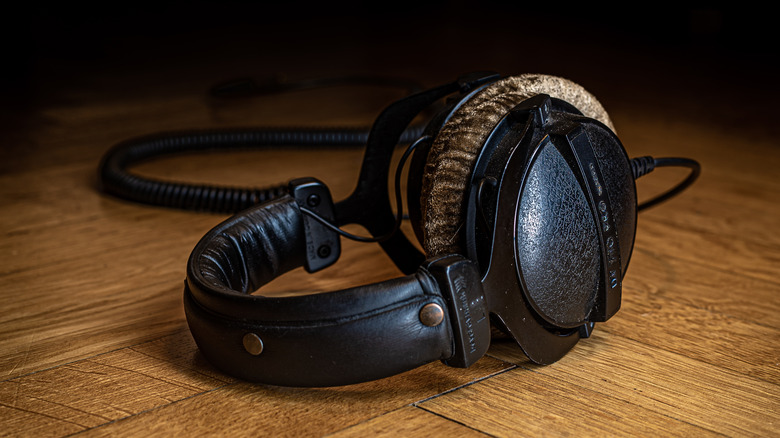
Following the Beyerdynamic Cosonic acquisition, the company has confirmed that its premium headphones will continue to be handmade in Germany at the Heilbronn manufacturing plant. This strategic move ensures that the brand's legendary German manufacturing quality and acoustic standards remain intact while providing the financial backing necessary for future innovation.
When a heritage brand like Beyerdynamic changes hands, the audiophile community usually goes into a state of high alert. I have spent years testing the clinical precision of the DT 880 and the immersive stage of the T1, so I understand the concern. We often associate large-scale acquisitions with cost-cutting and the dilution of what makes a brand special. However, after digging into the details of the June 2025 deal, there is a clear narrative of preservation rather than liquidation.
The Logic of the Deal: Why Beyerdynamic Sold
Beyerdynamic has been a family-owned staple of the audio world for over a century. While their reputation for building tanks that happen to play music is undisputed, the modern audio market moves at a breakneck pace. In 2024, the company reported an annual revenue of €84.45 million and a net profit of €8.54 million. While profitable, the company faced a valuation of roughly 14 times its net earnings, a figure that highlights both its prestige and the limits of its independent growth.
The decision to sell for approximately €122 million ($139 million) to Cosonic Intelligent Technologies was driven by a need for capital. To compete in the burgeoning wireless and gaming sectors, Beyerdynamic needed deep pockets for research and development. The move transitions the company from a traditional family structure to being part of a larger global manufacturing group, solving long-term capital limitations.
The deal also included the takeover of roughly $16 million in debt, providing the German team with a clean slate to focus on what they do best: acoustic engineering. This isn't a story of a failing company being rescued, but rather a successful brand finding a partner with the supply chain synergy needed to reach the next level of global distribution.
Who is Cosonic? Understanding the New Parent Company
To understand the impact of Cosonic takeover on Beyerdynamic products, we have to look at who Cosonic Intelligent Technologies actually is. Based in China and listed on the Shenzhen Stock Exchange, Jiahe Intelligent (Cosonic) is a powerhouse in the OEM manufacturing expertise world. They have spent years behind the scenes producing hardware for massive names like JBL, Philips, and Skullcandy.
For years, Cosonic has mastered the art of mass production and wireless integration. However, they lacked a flagship heritage brand that carried weight with audiophiles and professional engineers. By acquiring Beyerdynamic, they aren't just buying a factory; they are buying a century of brand identity and proprietary Tesla driver technology.
The relationship is symbiotic. Cosonic provides the mass-market expertise and the financial muscle, while Beyerdynamic provides the high-end hi-fi market credibility. This prevents the brand identity dilution that often happens when a mass-market company tries to "fake" premium status. Instead of building a new brand from scratch, Cosonic is investing in a legend.
Manufacturing Reality: What Happens to the Heilbronn Plant?
The most common question I hear from worried readers is: is Beyerdynamic still made in Germany after Cosonic takeover? The answer is a resounding yes for the products that matter most to this community. Beyerdynamic management has confirmed that approximately 85% of its microphones and headphones will continue to be handcrafted in Heilbronn.
This commitment to the Heilbronn manufacturing plant is not just a PR move; it is a necessity for maintaining Beyerdynamic German manufacturing quality. The specialized machinery and the skilled labor required to assemble Tesla drivers are localized in Germany. Moving this production would involve a massive risk to the acoustic engineering consistency that professionals rely on.
- Pro and High-End Hi-Fi: Lines like the DT 1990 Pro, DT 1770 Pro, and the T1/T5 series remain firmly German-made.
- Consumer and High-Volume: We may see high-volume consumer products or entry-level gaming headsets utilize Cosonic’s Vietnam-based facilities to keep prices competitive.
- Engineering Autonomy: The German engineering team remains in control of the sound signatures and product development, ensuring that the "Beyer peak" and clinical detail remain features, not bugs.
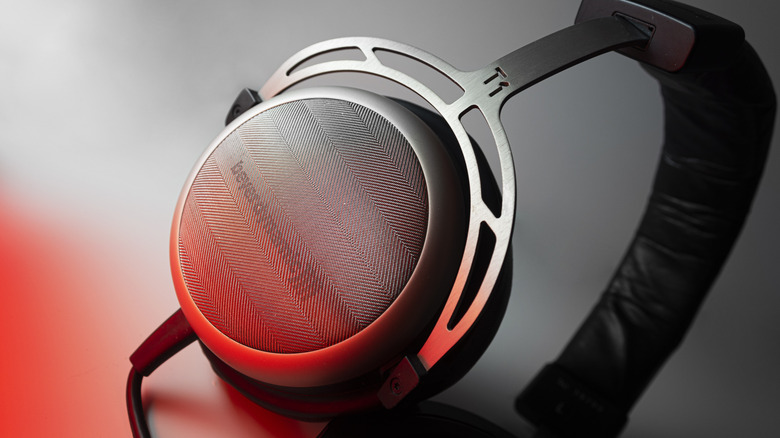
Post-Acquisition Roadmap: DT 270 PRO and Beyond
Since the Beyerdynamic Cosonic acquisition, the product roadmap hasn't slowed down; if anything, it has accelerated. We are seeing a more aggressive push into bridging the gap between professional studio monitoring standards and the demands of modern creators.
| Product Category | Pre-Takeover Focus | Post-Takeover Roadmap (2025-2026) |
|---|---|---|
| Studio Pro | DT 770/990 Pro (Standard) | DT 270 PRO (New Standard) |
| Gaming | MMX 300 (Classic) | MMX 230 (Enhanced Wireless/DSP) |
| Audiophile | T1 / Amiron Home | Aventho 200 / New Tesla Generations |
| Connectivity | Wired Dominant | High-bandwidth Wireless / USB-C Integration |
The release of the DT 270 PRO serves as a litmus test for the new ownership. Early impressions suggest that the build quality and part interchangeability remain consistent with the brand's history. It shows that the company is using the new investment to accelerate innovation in Tesla driver technology rather than cutting corners on materials.
Audiophile Guide: Buying Beyerdynamic in 2026
If you are a collector or a professional looking to invest in new gear, here is some audiophile advice for Beyerdynamic buyers in this new era. There is no need for panic-buying "pre-takeover" stock. The commitment to handmade craftsmanship in Heilbronn remains the primary focus for the professional lineup.
When evaluating the best Beyerdynamic headphones to buy before potential design changes, look toward the flagship models. The DT 1990 Pro and the T1 Third Generation are still the gold standard for build quality. Furthermore, Beyerdynamic's legendary support for replacement ear pads and drivers is expected to continue. In fact, the additional capital from Cosonic may actually improve the global availability of these parts, which has been a pain point in certain regions in the past.
When comparing old Beyerdynamic vs new models after Chinese takeover, pay attention to the location of manufacture stated on the box. As long as that "Made in Germany" seal remains on the Pro and High-End Hi-Fi lines, the sonic integrity you expect is likely safe. For the audiophile guide to buying Beyerdynamic under new ownership, the rule is simple: judge the headphone by its frequency response and build, not just the corporate letterhead.
FAQ
Who bought Beyerdynamic?
Beyerdynamic was acquired by Cosonic Intelligent Technologies, also known as Jiahe Intelligent technology, in June 2025. Cosonic is a large-scale manufacturer based in China that specializes in audio equipment and has a significant presence on the Shenzhen Stock Exchange.
Is Beyerdynamic still made in Germany?
Yes, the vast majority of Beyerdynamic products are still made in Germany. The company has officially stated that 85% of its production, particularly its professional microphones and high-end headphones, remains at the Heilbronn manufacturing plant.
Will Beyerdynamic product quality change after the acquisition?
Current indicators suggest that quality will remain high. The engineering and design teams remain in Germany, and the use of proprietary Tesla driver technology continues to be a core focus. The acquisition is intended to provide capital for innovation rather than to reduce manufacturing costs at the expense of quality.
What does the Cosonic acquisition mean for Beyerdynamic customers?
For the average customer, the acquisition likely means better product availability, more frequent updates to wireless technology, and continued support for existing products. Professional users can expect the same level of durability and the continued availability of replacement parts for the Pro series.
Will Beyerdynamic move its production to China?
While the parent company is based in China, there are no plans to move the core production of premium headphones away from Germany. However, some high-volume consumer lines or entry-level products might leverage the parent company's broader supply chain in Asia to remain price-competitive in the mass market.