Quick Facts
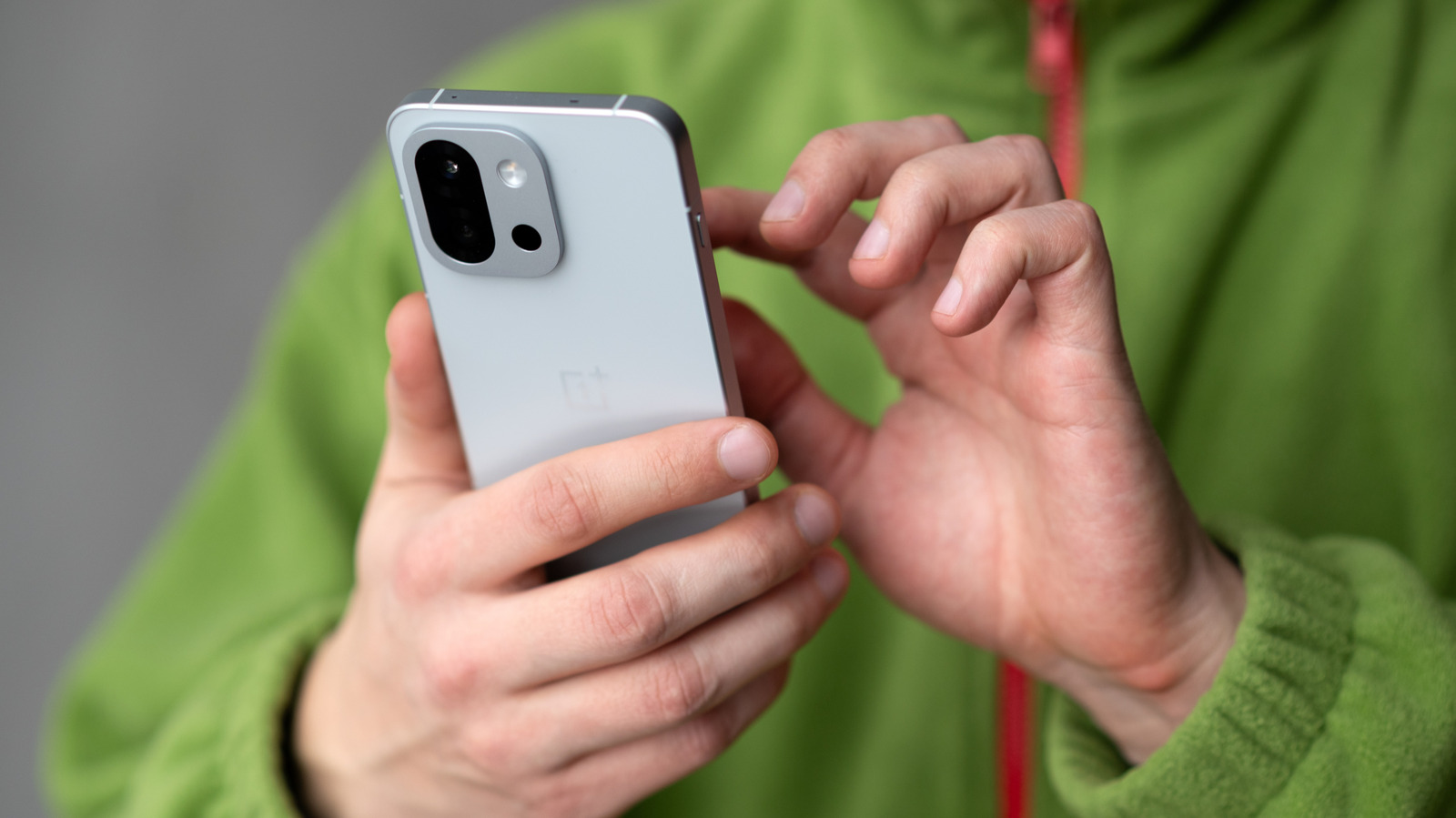
- Maximum Privacy: UP Phone (Features 0 tracking packets and physical battery disconnect switches)
- Best Value: Samsung Galaxy A16 (Offers 6 years of security updates and costs less than $150)
- Top De-Googled Choice: Google Pixel 7a (The industry standard for installing AOSP-based operating systems)
- Minimalist Leader: Minimal Phone (Utilizes an E-ink display to combat screen addiction and data harvesting)
- Best Digital Detox: Mudita Kompakt (A custom, GMS-free environment for total surveillance protection)
An unplugged phone, such as the UP Phone, prioritizes user privacy by utilizing a custom operating system based on the Android Open Source Project (AOSP) without Google Mobile Services. By removing the standard suite of Google apps, these devices prevent background data harvesting and surveillance. Key security features often include on-device firewalls and open-source system layers that allow for independent security auditing, ensuring the device serves the owner rather than a corporate data agenda.
Defining the Unplugged Phone: Privacy in the AI Era
In the mobile landscape of 2026, the term AI has become synonymous with constant observation. Every photo we take is analyzed, every message is summarized, and our very location habits are fed into large language models to predict our next purchase. This intrusive processing has led to a significant shift in consumer behavior. Market research from May 2026 indicates that 85% of Android users cite privacy configurations and data-sharing settings as their primary concern regarding mobile device usage. This isn't just about hiding data; it is about reclaiming the digital sovereignty that surveillance capitalism has slowly eroded.
The rise of the unplugged phone movement represents a departure from this data-hungry ecosystem. Unlike a standard smartphone that maintains a constant umbilical cord to cloud servers, these devices are designed to operate in a GMS-free environment. For many, the goal is to escape the AI hype by choosing hardware that lacks the intense local processing power required for intrusive features like Gemini Nano. Instead of serving a corporate data agenda, these privacy focused android alternatives 2026 prioritize open-source transparency and hardware-level security.
Transitioning to an unplugged phone os requires a shift in mindset. You are moving away from a world of convenience-for-data and into a world where your device finally works for you. This change is gaining momentum; for instance, GrapheneOS, a security-focused Android distribution, reached an estimated 400,000 active users by April 2026, growing from roughly 250,000 users in late 2022. Whether you are a privacy enthusiast or someone simply looking for a digital detox device, the options available today offer a spectrum of protection levels.
The Budget Strategy: Best Android Phones Without AI Hardware
If you want to dodge the most aggressive generative AI features without spending a thousand dollars on specialized hardware, the budget tier is surprisingly effective. In 2026, high-end AI capabilities require specific NPU (Neural Processing Unit) hardware that is often omitted from value-oriented chips. This creates a natural barrier against the most intrusive data mining.
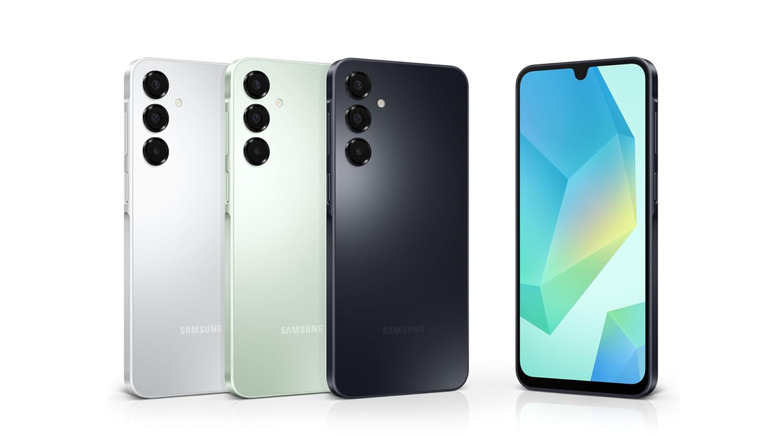
The Samsung Galaxy A16 is a standout for those on a strict budget. While Samsung pushes Galaxy AI heavily on its S-series, the A16 remains largely focused on core functionality. It provides a rare longevity in the budget space, promising six years of security updates.
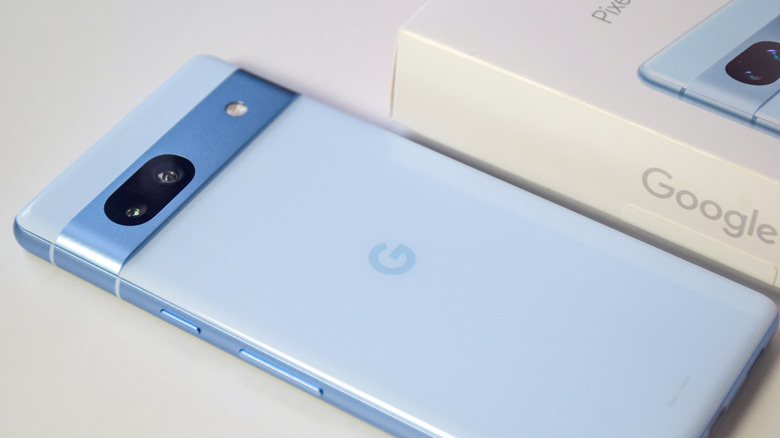
Alternatively, the Google Pixel 7a remains a powerhouse for those interested in de-googled android phone recommendations. While it is a Google product, its hardware is the most compatible with an AOSP-based operating system like GrapheneOS or CalyxOS. By wiping the factory software and installing a secure ROM, you transform a standard device into a high-security fortress.
When considering the best android phones without ai, these budget models offer a psychological and technical buffer. You get the benefits of modern connectivity without the overhead of local LLMs constantly indexing your life. The focus here is on digital wellbeing through simplicity.
The Professional Tier: UP Phone and Unplugged OS
For users who demand maximum privacy without any compromises, the professional tier is led by the UP Phone. This device is the gold standard for anyone searching for unplugged phone reviews that favor empirical evidence over marketing claims. The UP Phone operates on UnpluggedOS, a system designed to decouple your digital life from the big tech ecosystem entirely.
One of the most compelling pieces of data regarding this device comes from a comparative audit. While a standard high-end smartphone might transmit over 210,000 data packets to various servers in a 24-hour period, the UP Phone has been audited to transmit 0 packets when in its highest security state. This is achieved through an integrated on-device firewall that blocks all unauthorized background pings.
The unplugged phone specs for the UP Phone are equally impressive from a hardware perspective:
- Hardware Kill Switches: Physical toggles to disconnect the battery, camera, and microphone.
- Security Layer: An open-source core that allows for independent security auditing.
- Subscription Model: To avoid data monetization, the company relies on a $12.99 monthly fee to maintain the secure infrastructure, ensuring they never have to sell user insights.
| Feature | Standard Smartphone | UP Phone |
|---|---|---|
| OS | Android/iOS with GMS | UnpluggedOS (AOSP-based) |
| Tracking Packets | ~210,000 per day | 0 per day |
| Data Harvesting | High (Cloud-sync as default) | Zero (Local-first policy) |
| Kill Switches | Software-based only | Physical Hardware Switches |
| Revenue Model | Hardware + Data Mining | Hardware + Subscription |
Radical Minimalist Devices: E-Ink and Digital Detox
Sometimes the best way to escape the AI hype is to change the way you interact with the screen. Minimalist android devices are gaining traction among those who want to reduce screen time while maintaining essential communication. These devices often use E-paper display technology, which is not only easier on the eyes but also discourages mindless scrolling.
The Minimal Phone is a pioneer in this category. It runs a modified version of Android 14, which means you still have access to the Google Play Store for essential banking or navigation apps, but the interface is stripped of its addictive qualities. The E-paper display makes video consumption nearly impossible, effectively ending the cycle of algorithmic content delivery.
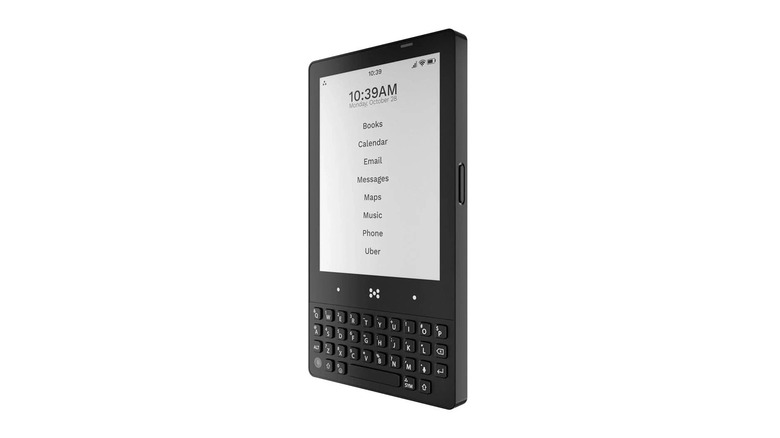
Similarly, the Mudita Kompakt offers a radical departure by using a custom operating system that is completely free of Google services. This device is designed for the ultimate digital detox, focusing on high-quality hardware and a tactile experience that feels more like a tool than a distraction machine.
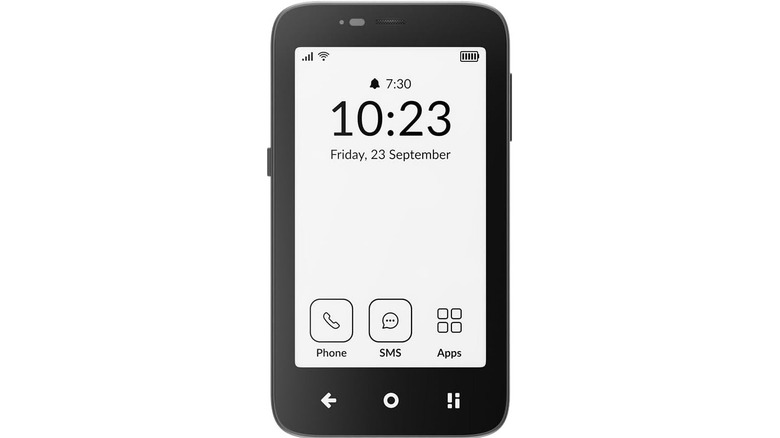
By choosing an E-ink device, you are making a hardware-level commitment to digital wellbeing. These phones don't just protect your data; they protect your attention. They are the ultimate tools for those who want to participate in modern society without being tethered to a feedback loop of notifications and AI-generated suggestions.
The Reality Check: What You Lose When You Go Unplugged
It is important to be honest about the trade-offs. Moving to a device that prioritizes data harvesting protection means you will face some friction. In a GMS-free environment, standard apps like Google Maps, YouTube, and even some mobile banking apps may not work perfectly out of the box.
- Application Friction: You will often rely on sideloading applications via alternative stores like F-Droid or Aurora Store.
- Convenience vs. Privacy: Without a centralized Google account, you lose cross-device synchronization for things like browser history and tabs.
- Learning Curve: Managing an on-device firewall and understanding AOSP-based operating system permissions takes more effort than a standard setup.
How to Migrate Successfully
- Back up your data: Move your photos and contacts to an encrypted local drive or a privacy-respecting cloud like Proton.
- Use the UP Switch: For those moving to the UP Phone, use their proprietary migration tool to bridge the gap from your old iOS or Android device.
- Audit your apps: Identify which apps strictly require Google Play Services and find open-source alternatives.
Ultimately, the choice to move to an unplugged phone is a choice for transparency. While you lose the polish of mainstream AI integrations, you gain peace of mind. You are no longer the product; you are the owner of the device.
FAQ
What is an unplugged phone?
An unplugged phone is a mobile device designed to function outside the traditional ecosystems of Google or Apple. These devices typically run on an AOSP-based operating system that has been stripped of Google Mobile Services to prevent background data harvesting. They often include enhanced security features like on-device firewalls, physical kill switches for cameras, and open-source software that can be independently audited for tracking or backdoors.
Can the unplugged phone be tracked?
While any device with a cellular modem can technically be triangulated via cell towers, an unplugged phone drastically reduces your digital footprint. By removing GMS, you stop the constant transmission of GPS data, Wi-Fi scanning, and Bluetooth proximity logs to centralized servers. For maximum protection, devices like the UP Phone include a physical battery disconnect, ensuring the device is completely "dark" when you want it to be.
How much does the unplugged phone cost?
The cost varies significantly depending on the level of specialized hardware. A budget-friendly de-googled android phone recommendations candidate like the Pixel 7a or Samsung Galaxy A16 can cost between $150 and $400. In contrast, professional-grade hardware like the UP Phone is priced around $989, reflecting the cost of low-volume hardware production and a business model that doesn't rely on selling user data for revenue.
What carriers does the unplugged phone work with?
Most unplugged phones are sold unlocked and are compatible with major GSM carriers worldwide. For users in the US, this typically includes T-Mobile, AT&T, and their various MVNOs. However, because these devices often lack the specific carrier bloatware required for certain proprietary features like VoLTE on specific networks, it is always recommended to check the unplugged phone specs against your carrier’s frequency bands before purchasing.
Is unplugged a good phone?
Whether an unplugged phone is "good" depends entirely on your priorities. If you value the latest generative AI features and seamless cloud integration, you may find the experience frustrating. However, if your goal is to escape surveillance capitalism and regain control over your personal data, these devices are excellent. They offer a stable, distraction-free environment that prioritizes longevity, security, and digital wellbeing over corporate profit.