Our Top Picks
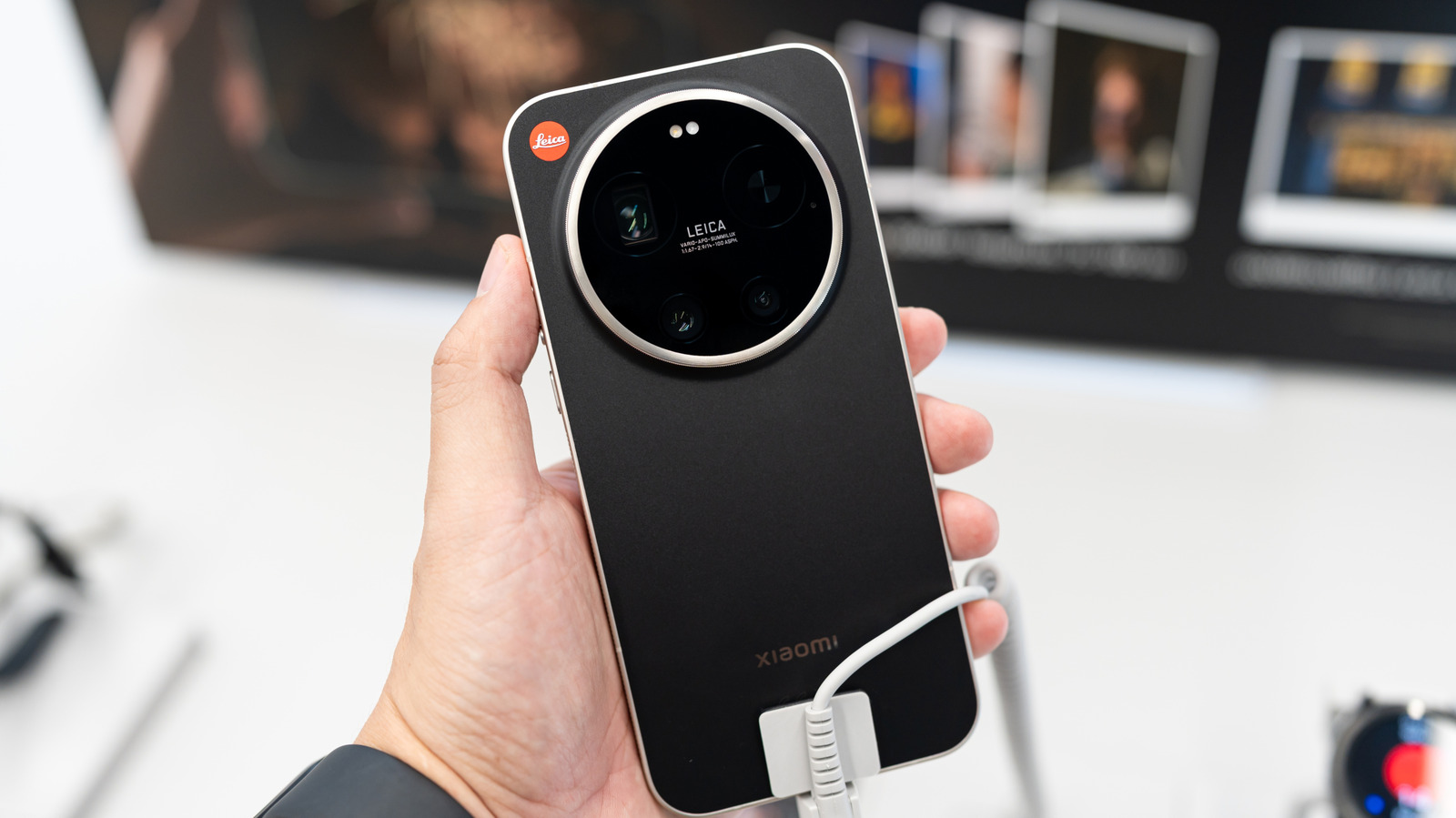
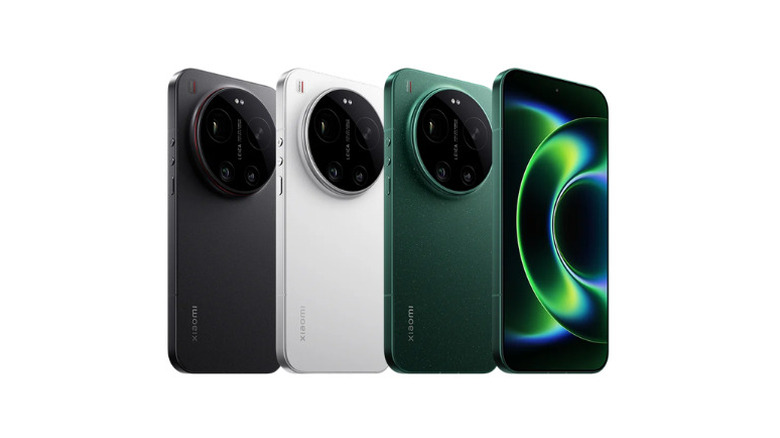
- Xiaomi 17 Ultra: The absolute photography champion with a quad-camera system built around a next-gen 1-inch sensor and Leica optics.
- Oppo Find X9 Ultra: The marathon runner of the group, utilizing massive silicon-carbon battery technology and dual periscope zooms.
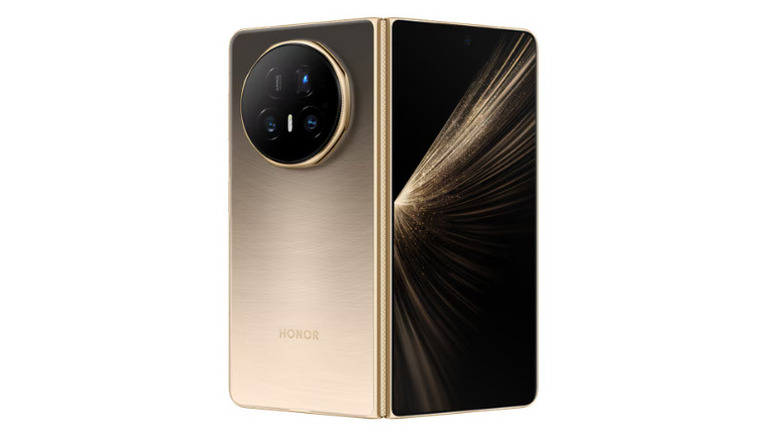
- Honor Magic V5: A design miracle that delivers an ultra thin foldable phones 2026 experience, measuring just 9mm when closed.
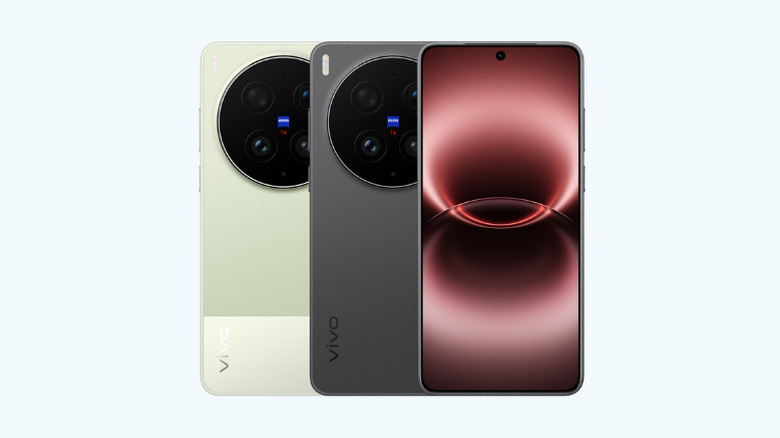
- Vivo X300 Ultra: Specifically designed for mobile photography enthusiasts, featuring the best portrait processing and Zeiss hardware in the industry.
- RedMagic 11 Pro: The strongest performance-focused flagship, offering a completely notch-less display and innovative cooling.
The best chinese flagship phones 2026 include the Oppo Find X9 Ultra, Xiaomi 17 Ultra, and Vivo X300 Ultra. These devices feature high-end hardware like the Snapdragon 8 Elite Gen 5 processor, silicon-carbon battery technology, and advanced 1-inch camera sensors, offering a superior alternative to the mobile devices currently available in the North American market.
I have watched the hardware gap between the East and West grow from a small crack into a massive canyon. While US consumers are often limited to minor iterative updates from Apple and Samsung, the global market is witnessing a hardware revolution. After testing these devices in the field, I can confidently say that the best chinese flagship phones 2026 are setting benchmarks that make current US flagships look like artifacts from a previous era. These top global version android phones 2026 are not just about higher numbers on a spec sheet; they represent a fundamental shift in what we should expect from our mobile devices.
2026 Flagship Comparison: Global vs. US Standards
| Model | Primary Sensor Size | Battery Technology | Charging Speed (Wired) |
|---|---|---|---|
| Xiaomi 17 Ultra | 1-inch Type (Sony LYT-900 Gen 2) | 6,200 mAh Silicon-Carbon | 90W |
| Oppo Find X9 Ultra | 1-inch Type (Sony LYT-900 Gen 2) | 7,050 mAh Silicon-Carbon | 100W |
| Vivo X300 Ultra | 1-inch Type (Sony LYT-901) | 6,000 mAh Silicon-Carbon | 80W |
| Honor Magic V5 | 1/1.3-inch (Foldable) | 5,600 mAh Silicon-Carbon | 66W |
| Galaxy S26 Ultra | 1/1.3-inch (200MP) | 5,000 mAh Lithium-Ion | 45W |
The Photography King: Xiaomi 17 Ultra vs Galaxy S26 Ultra
The mobile photography world has a clear leader, and it isn’t sold at your local carrier store. The Xiaomi 17 Ultra dominates the conversation for anyone who prioritizes image quality over AI-generated fills. While the domestic market relies on the Galaxy S26 Ultra and its high-megapixel, small-pixel philosophy, Xiaomi has embraced a massive 1-inch camera sensor that captures light with professional-level depth.
When conducting a xiaomi 17 ultra vs galaxy s26 ultra camera comparison, the difference in natural bokeh and low-light noise is jarring. The Xiaomi 17 Ultra utilizes a quad-50MP setup where every lens is a flagship-grade sensor, avoiding the "filler" lenses often found elsewhere. Its LTPO display technology reaches staggering peak brightness levels of 3,500 nits, ensuring you can review your shots even under the harshest midday sun. For best chinese flagship phones 2026 for photography, the Xiaomi 17 Ultra remains the gold standard, offering variable apertures and Leica color science that Samsung simply cannot match with software alone.
US Equivalent Callout: The Galaxy S26 Ultra is the closest domestic match, but it lacks the physical sensor size and variable aperture found in the Xiaomi 17 Ultra.
Xiaomi 17 Ultra Pros & Cons
- Pros: Largest physically available sensor size; incredible Leica color processing; industry-leading screen brightness.
- Cons: Massive circular camera bump makes it top-heavy; Global software can be aggressive with background app killing.
The Battery Beast: Oppo Find X9 Ultra’s Silicon-Carbon Edge
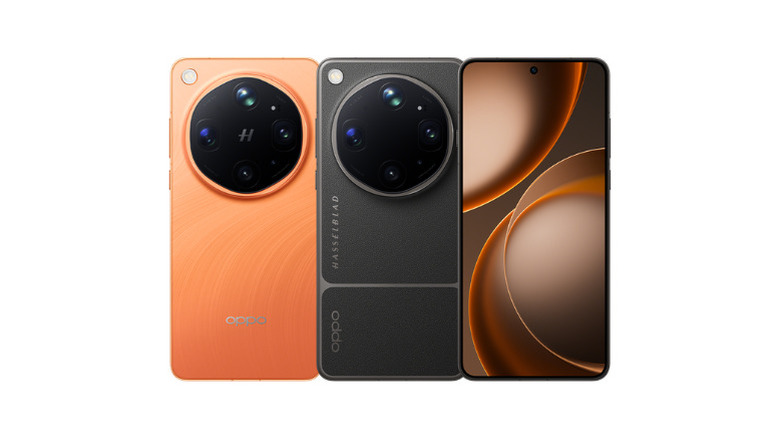
If you are tired of the 5,000 mAh glass ceiling in the US, the Oppo Find X9 Ultra is a revelation. This device shatters expectations by packing a 7,050 mAh cell into a chassis that feels no thicker than an iPhone. The secret is silicon carbon battery technology, which allows for much higher energy density than traditional lithium-ion batteries. In real-world usage, I have pushed this phone through two full days of heavy 5G usage without needing a plug.
The charging story is equally impressive. While Samsung clings to 45W and Apple remains even lower, Oppo provides high-wattage wired charging at 100W. This means you can top up that massive 7,050 mAh battery in about 35 minutes. When looking at silicon carbon battery android phones 2026 charging speeds, Oppo is currently the undisputed leader. They have also integrated their legendary Hasselblad partnership to ensure the imaging side of the house is just as potent as the power delivery.
Expert Insight: The Oppo Find X7 Ultra was launched in 2024 as the world's first smartphone to feature a dual periscope camera system, and the X9 Ultra continues this legacy with even larger sensors behind those zoom lenses.
The Portrait Master: Vivo X300 Ultra Review
The Vivo X300 Ultra occupies a unique space in the market. While other brands race for the longest zoom, Vivo has focused on the 35mm to 85mm "golden zone" of portraiture. My vivo x300 ultra reviews for mobile photography enthusiasts consistently point to one thing: skin tones. By utilizing the Sony LYT-901 1-inch camera sensor and Zeiss T* coating, the X300 Ultra produces portraits that look like they came from a dedicated mirrorless camera.
Beyond the optics, the device is a powerhouse. It features a stunning curved LTPO display technology panel and a rugged IP69 rating. It is a masterclass in specialized hardware. For those who prioritize people-photography, the Vivo X300 Ultra offers a hardware value proposition that makes the "Portrait Mode" on US phones look like a cheap digital filter. We have seen significant improvements in charging as well; following the trend of the Vivo X100 Pro, which was equipped with a 5,400mAh dual-cell battery supporting 100W wired and 50W wireless charging, the X300 Ultra now reaches a full charge in roughly 28 minutes.
Vivo X300 Ultra Pros & Cons
- Pros: The best portrait photography in the mobile world; incredibly fast 100W charging; premium Zeiss optics.
- Cons: Orignal OriginOS skin is very different from stock Android; limited availability even in some European markets.
Engineering Marvels: Honor Magic V5 & Ultra Thin Foldables
The foldable market in the US has become somewhat stagnant, with the Z Fold series maintaining a relatively chunky profile year after year. Enter the Honor Magic V5. It is the thinnest foldable android phones 2026 global market leader, measuring a mind-blowing 9mm when folded. To put that in perspective, it is thinner than some ruggedized "slab" phones.
Honor has achieved this through a specialized book-style foldable design that uses a proprietary titanium hinge and a dual silicon-carbon battery setup. It doesn't sacrifice specs for thinness, either. You still get a flagship-grade periscope zoom lens and high-end LTPO display technology on both the inner and outer screens. Compare this to the "Passport" style of the Pixel Fold or the narrow outer screen of the Samsung, and the Honor Magic V5 feels like a generational leap in ergonomics. For users wanting ultra thin foldable phones 2026, this is the only device that truly delivers the "phone that becomes a tablet" dream without the pocket-bulge.
US Equivalent Callout: The Z Fold 7 is the domestic rival, but it is nearly 3mm thicker and has a much visible screen crease compared to the Magic V5.
Import Reality Check: How to Buy in the US
Since these best chinese flagship phones 2026 are not sold at T-Mobile or Verizon, obtaining one requires a bit of enthusiast effort. The most common method is through grey market importing via reputable third-party retailers. These shops specialize in shipping global version Android phones to North America, often pre-loading Google Play Services for you.
However, there are technical hurdles to consider. Before you look for how to buy chinese flagship phones in the US 2026, you must verify carrier band compatibility. While many of these flagships support the primary 5G bands for T-Mobile, Verizon and AT&T users may face more restrictive whitelisting. Furthermore, you need to check the regional ecosystem software. Features like Android Auto or Google Timeline might require specific workarounds on "China Region" ROMs, though "Global ROM" versions typically avoid these issues. Finally, ensure the device has Widevine L1 certification if you want to stream Netflix in full HD.
FAQ
What is the best Chinese smartphone in 2026?
The Xiaomi 17 Ultra currently holds the title for the most well-rounded Chinese smartphone due to its unparalleled camera hardware and comprehensive global software support. It offers a 1-inch camera sensor and 90W charging that makes it a more versatile tool than any domestic flagship.
Which is the best Chinese flagship phone?
The Oppo Find X9 Ultra is widely considered the best for overall hardware reliability and battery life. Its 7,050 mAh silicon-carbon battery and dual-periscope camera system provide a level of utility that is currently unmatched by other manufacturers in the high-end segment.
What flagship phone to buy in 2026?
If you are living in the US but want the best possible hardware, importing a global version of the Xiaomi 17 Ultra or the Honor Magic V5 is the best move. For those who want more traditional support, wait for the OnePlus 14 Pro, as it often shares a lineage with these high-end Chinese models.
What is the strongest phone in the world in 2026?
Technically, the RedMagic 11 Pro is the strongest in terms of sustained raw performance. It features the Snapdragon 8 Elite Gen 5 with an internal physical cooling fan, allowing it to maintain peak clock speeds longer than the Samsung S26 Ultra or the iPhone 17 Pro Max.
What is the best flagship killer phone?
The Realme GT6 Pro or the Redmi K90 Pro are the leading "flagship killer" options for 2026. They provide nearly 90% of the performance of a thousand-dollar flagship, including 120W charging and the latest processors, for roughly half the price of a mainstream US flagship.