Quick Facts
- Top Hub Choice: Amazon Echo Show 8 (3rd Gen) for hands-free video calls and visual reminders.
- Best Safety Gadget: AI-powered ambient fall sensors that detect emergencies without requiring a wearable device.
- Most Practical Device: Smart medication dispensers with remote alerts to ensure dosages are never missed.
- Installation Tip: Prioritize voice-controlled interfaces to reduce learning curves and physical strain.
- Caregiver Benefit: Remote monitoring systems provide real-time updates without invading a senior’s privacy.
- Key Trend: According to recent data, 80% of older Americans own at least one form of technology that enables aging at home.
- Safety First: Keyless smart locks provide emergency access for caregivers while eliminating the stress of lost keys.
Essential smart home devices for seniors living alone include voice-activated displays for hands-free video calls, smart medication dispensers with remote alerts, and cellular smartwatches featuring automatic fall detection. These technologies provide a reliable safety net by allowing seniors to communicate, manage health routines, and call for help without needing to navigate complex smartphone apps or menus. By implementing a smart home for seniors, families can ensure that aging in place technology supports independence while offering significant caregiver peace of mind.
Empowering Independence Through Smart Integration
As a smart home editor, I often speak with members of the sandwich generation—those adults who are simultaneously raising children and caring for aging parents. The most common concern I hear is the fear of the unknown. Is Mom taking her pills? Did Dad fall in the kitchen? For a long time, the only solution was a bulky, stigmatized panic button worn around the neck.
By 2026, the landscape of assistive technology has shifted toward ambient, invisible support. We are no longer just talking about gadgets; we are talking about creating a home that looks out for its inhabitants. Recent research shows that 66% of adults aged 50 and older view technology as a tool that enriches their lives and helps them age in their homes more easily. This guide explores the nine best devices to help your loved ones maintain their dignity and safety.
| Gadget | Price (Approx) | Key Benefit | Senior-Friendliness Score |
|---|---|---|---|
| Amazon Echo Show 8 | $149 | Hands-free video calling | 9/10 |
| Eufy Smart Lock C220 | $140 | Fingerprint entry | 8/10 |
| Hero Medication Dispenser | $30/mo | Automated sorting/alerts | 9/10 |
| Nobi Smart Lamp | $2,000+ | Ambient fall detection | 10/10 |
| Apple Watch Series 11 | $399 | Portable fall detection | 7/10 |
| Aura Mason Frame | $199 | Effortless photo sharing | 10/10 |
| Kasa Smart Plugs | $15 | Voice control for lamps | 9/10 |
| Ecobee Smart Thermostat | $249 | Automated climate control | 8/10 |
| Ring Video Doorbell | $99 | Screen visitors from bed | 8/10 |
Essential Safety: From Entryways to the Bathroom
The front door and the bathroom are the two highest-risk areas in any home. For seniors, the simple act of rushing to answer the door or fumbling with a physical key in the dark can lead to a dangerous stumble. This is where elderly home safety gadgets become literal lifesavers.
The Eufy Smart Lock C220 is a standout choice because it offers fingerprint recognition. There are no microscopic runes to read on a keypad and no keys to lose. A senior simply touches the sensor, and the door unlocks. For the caregiver, this provides a vital way to grant access to emergency personnel or home health aides remotely.
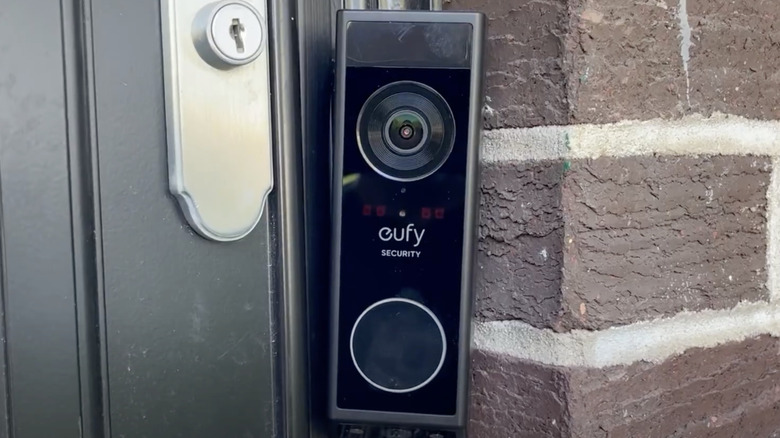
Inside the home, physical accessibility is often hindered by the placement of outlets. I frequently recommend smart plugs for seniors with limited mobility. By plugging a traditional floor lamp into a Kasa Smart Plug, the senior can turn the light on using a voice command rather than bending into awkward positions behind heavy furniture. This small change significantly supports the activities of daily living by reducing physical strain.
Finally, we must address the bathroom. Traditional fall buttons are often left on the nightstand or avoided due to the perceived "old person" stigma. In 2026, ambient sensing technology like the Nobi Smart Lamp has changed the game. These ceiling-mounted sensors use AI to monitor for falls without cameras, preserving privacy while ensuring help is called immediately if someone hits the floor. It is an invisible safety net that operates in the background, requiring zero effort from the user.
Health Monitoring and Cognitive Support
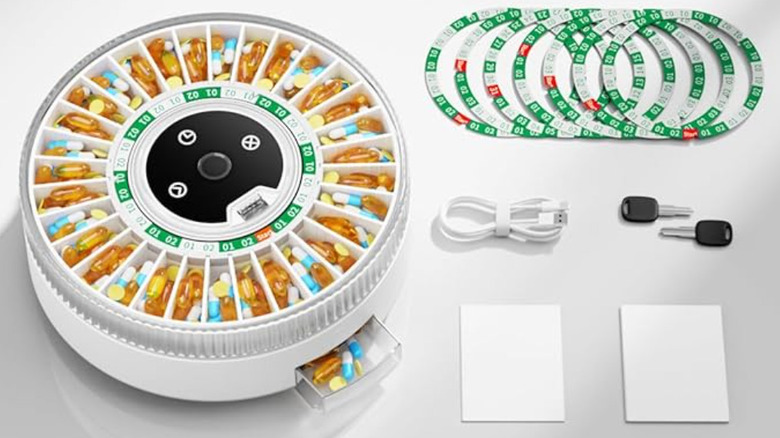
Managing multiple prescriptions is a significant cognitive burden. For many, a missed dose or an accidental double dose is the event that leads to a loss of independence. Advanced gerotechnology has solved this through smart medication dispensers with remote caregiver alerts like the Hero or Pria systems.
These devices act as a digital nurse. They sort the pills, sound an alarm when it is time for a dose, and—most importantly—notify a family member via an app if the medication hasn't been taken. This remote monitoring allows children to step in only when necessary, preserving the senior’s sense of autonomy.
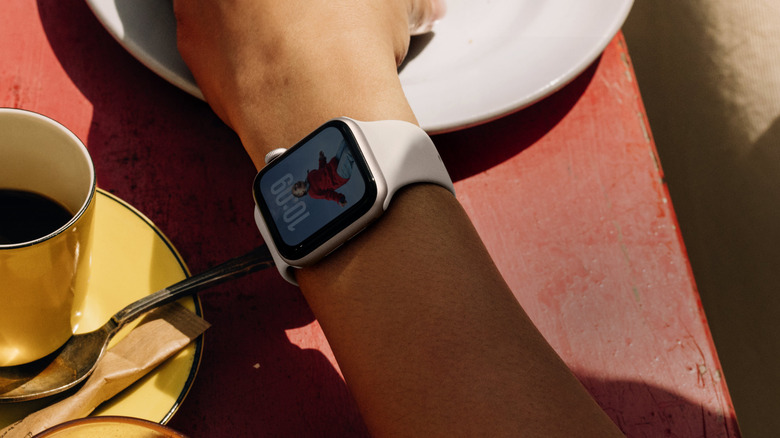
While ambient sensors are great for the home, what happens when a senior goes for a walk? This is where fall detection smartwatches for seniors 2026 play a role. Modern wearables from Apple and Samsung have reached a level of sophistication where they can distinguish between a hard fall and a sudden sit-down. They also track vital clinical metrics like heart rate variability, SpO2 levels, and even basic ECG readings.
Pros and Cons of Smartwatches for Seniors:
- Pros: Constant protection outside the home, GPS tracking for those with dementia, and effortless health data collection.
- Cons: Requires daily charging, which can be forgotten, and the screen interface can be small for those with vision impairments.
Social Connection: Combating Isolation with Ease
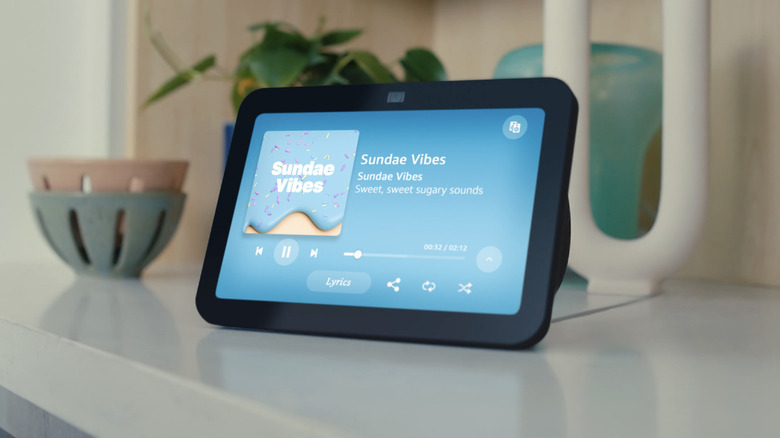
Social isolation is a quiet crisis among the elderly, often leading to faster cognitive decline. Technology should be a bridge, not a barrier. When considering how to set up a smart home for seniors, the central hub should always be a smart display like the Amazon Echo Show 8.
The magic of these devices lies in the hands-free operation. A grandmother can simply say, "Alexa, call my daughter," and a high-quality video call begins instantly. There are no apps to open, no passwords to remember, and no small buttons to tap. For many families, this becomes the heartbeat of their communication, making easy to use video calling devices for grandparents a non-negotiable part of the setup.
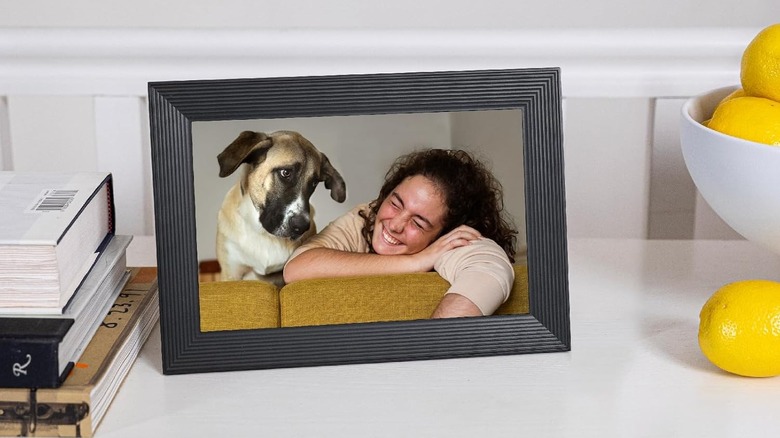
Another tool that excels in fostering social connectivity is the digital photo frame, specifically the Aura Mason. Unlike traditional frames, family members can "drop" new photos into the frame from their phones thousands of miles away. The senior doesn't have to do anything except enjoy the new pictures as they appear. It is a low-maintenance way to keep them involved in daily family moments, from a grandchild's first steps to a simple photo of a Sunday dinner.
Practical Tips for a Successful Setup
When you are the one responsible for the installation, it is easy to get carried away with complex automation. However, the best smart home for seniors is one that feels like a normal home. Prioritize gadgets with high-contrast displays and those that respond to simple voice commands.
As of 2025, approximately 80% of older Americans own at least one form of technology that enables aging at home, according to joint research by AARP and the Consumer Technology Association. This suggests that the willingness to learn is there, provided the technology serves a clear purpose and doesn't create "tech fatigue."
Start with one or two devices—perhaps a smart hub and a video doorbell—and let your loved one get comfortable with those before adding more. The goal is to create a home that supports their lifestyle, not one that requires them to become an IT expert.
FAQ
How can a smart home help seniors live independently?
A smart home supports independence by automating difficult or dangerous tasks. Voice assistants allow for hands-free control of lights and appliances, while smart locks and doorbells provide security without the need for physical keys. These tools mitigate the risks of falls and forgetfulness, allowing seniors to stay in their own homes longer while remaining connected to their support network.
What are the best smart home devices for elderly safety?
The most effective safety devices are those that provide ambient monitoring, such as AI-powered fall sensors that don't require a wearable. Other essential gadgets include smart locks for easy emergency access, video doorbells to screen visitors from a seated position, and smart plugs to prevent the need for bending or reaching.
Is it difficult for seniors to learn how to use smart home systems?
It depends on the interface. Systems that rely on voice commands or automated functions require very little learning. For example, telling a smart speaker to turn off the lights is often more intuitive for a senior than navigating a smartphone app. By choosing devices with high-contrast displays and simple interfaces, the learning curve is significantly reduced.
How do smart homes assist with medical alerts and fall detection?
Smart homes assist through a tiered approach. Wearables like smartwatches provide active fall detection and health tracking (like heart rate and SpO2) wherever the senior goes. Inside the home, ambient sensors can detect a fall and automatically alert family members or emergency services without the senior needing to press a button.
Can smart home devices help family members monitor seniors remotely?
Yes, this is one of the biggest benefits of home automation for elderly individuals. Caregivers can use apps to check if doors are locked, see if medication has been dispensed, and receive alerts if a fall is detected. This provides a balance of safety and privacy, allowing family members to know their loved ones are safe without the need for intrusive cameras or constant phone check-ins.