Quick Facts
- The Opportunity Cost: Spending 7 hours a day scrolling is equivalent to 2,548 hours a year, which is the same amount of time required to fly to New Zealand 43 times.
- Top Mental Health Gain: Research indicates that a one-week social media detox can lead to a 16.1% reduction in anxiety symptoms and a significant boost in overall well-being.
- Primary Strategy: To break the cycle, you must introduce intentional friction, such as disabling biometric unlocks for specific apps to prevent reflexive opening.
- The Worst Offenders: Platforms that utilize infinite scroll, such as Instagram and Pinterest, alongside impulse-driven retail apps like Amazon.
- 2026 Essential Tool: The iDiskk Lock Box is the recommended hardware for scheduled, phone-free deep work sessions to restore cognitive focus.
- Digital Hygiene: Integrating automated management tools like SaneBox and Unroll.Me is vital for reducing the cognitive load caused by notification fatigue.
To successfully perform a digital detox, you must identify apps that utilize dopamine loops and infinite scroll, deleting them to reintroduce intentional friction into your digital habits. This smartphone decluttering guide identifies the 8 specific triggers to remove today to reclaim your mental clarity and reduce mobile app dependency.
The Hidden Cost of the Attention Economy
As a mobile and smart devices editor, I spend my life evaluating the latest OLED displays and haptic engines. But by 2026, the most important technical specification isn't your processor speed—it's your mental bandwidth. We are living in an era where persuasive design has become more aggressive than ever. Every pixel is optimized to keep you looking at the glass. When you consider that the average user spends enough time scrolling each year to earn a commercial pilot’s license, the stakes of this digital detox become clear.
The current attention economy thrives on dark patterns designed to bypass our rational decision-making. By identifying how to identify which apps to delete for mental clarity, we are not just deleting software; we are reclaiming our time from a system designed to exploit our biological reward centers. This smartphone decluttering guide is designed to help you recognize the psychological hooks that keep you tethered to your device and provide a roadmap for a more intentional relationship with your technology.
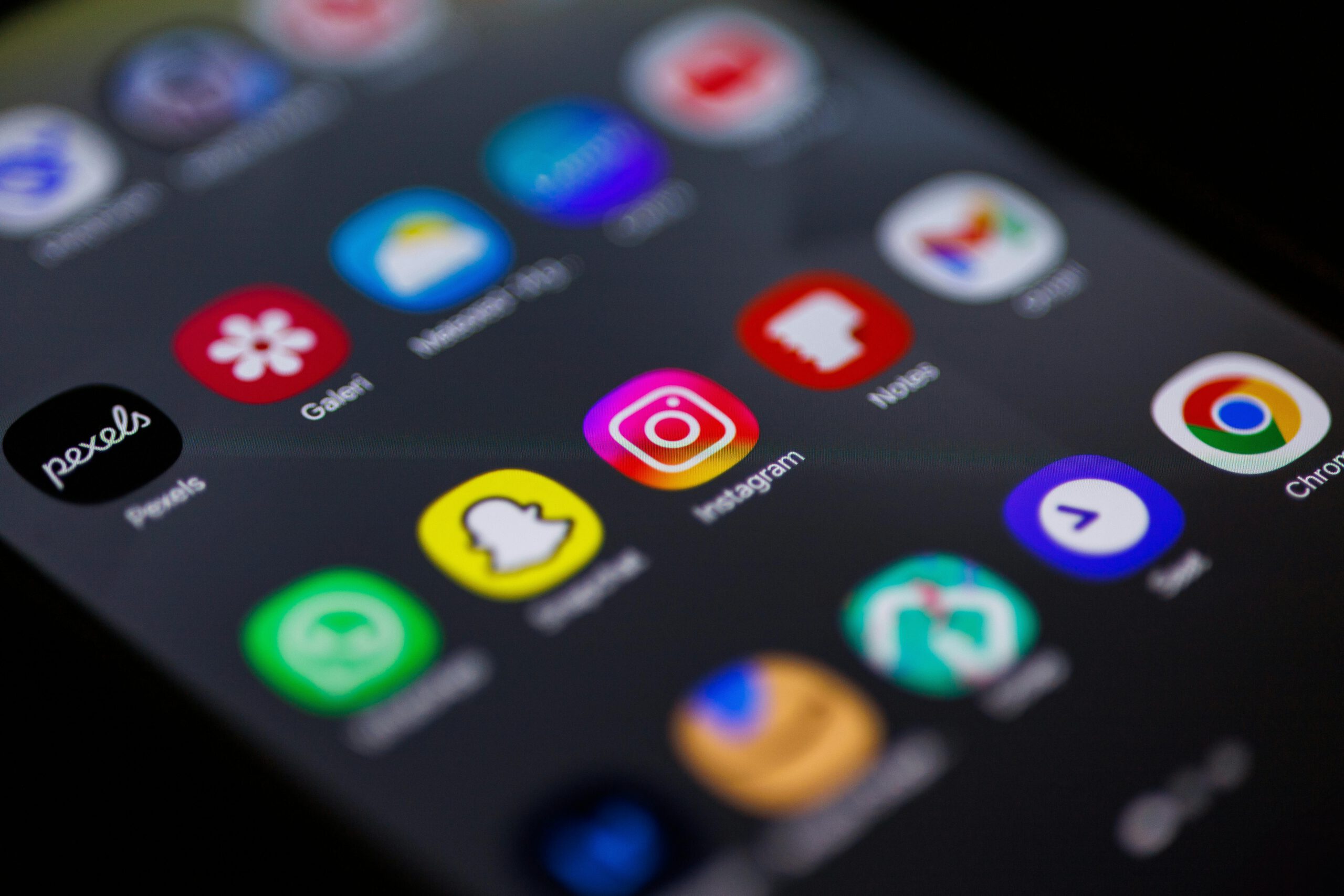
Category 1: The Dopamine Trap (Instagram, TikTok, Pinterest)
The first step in any digital detox involves removing the heavy hitters: the platforms that utilize the infinite scroll habit. These apps are the primary architects of dopamine loops, where every swipe provides a variable reward that keeps the brain craving the next hit. In 2026, these algorithms have become so refined that they can predict your emotional state with startling accuracy, serving up content that keeps you engaged long after your initial intent has faded.
A study published in JAMA Network Open found that young adults who completed a one-week social media detox experienced a 16.1% reduction in anxiety symptoms and a 24.8% reduction in depression symptoms. This isn't a coincidence; it's a direct result of removing the constant social comparison and sensory overload these platforms provide.
1. Instagram: The Visual Comparison Engine
Instagram remains a major source of cognitive load. By deleting the app from your mobile device, you stop the reflexive check every time you have thirty seconds of downtime. If you still want to engage with your community, move your usage to a desktop browser. This forces a level of intentionality that the mobile app deliberately removes.
2. TikTok: The Infinite Scroll Habit
TikTok is the pinnacle of the attention economy. Its short-form content is designed for maximum impact in minimum time, leading to rapid-fire dopamine spikes that can leave you feeling mentally exhausted. Removing it is the quickest way to reduce mobile app dependency and restore your attention span for deep work.
3. Pinterest: The Aspiration Trap
While often seen as a creative tool, Pinterest frequently descends into a cycle of "productivity theater" and endless scrolling through idealized lifestyles. Breaking the infinite scroll habit here allows you to focus on your actual projects rather than the digital shadows of someone else's aesthetic.
Category 2: The Anxiety Engines (X/Twitter, Facebook, News Apps)
If the first category targets dopamine, the second targets your stress response. We often find ourselves doomscrolling through anxiety-inducing news and social commentary, a habit that significantly increases our cortisol levels. Reclaiming focus from anxiety-inducing news and social apps is essential because these platforms are built to prioritize inflammatory content that triggers emotional reactions.
Research cited by the U.S. Surgeon General indicates that adolescents who spend more than three hours per day on social media face double the risk of experiencing symptoms of anxiety and depression. While this data focuses on younger users, the neurological impact on adults is strikingly similar. The constant stream of information overload makes it impossible for the brain to process and decompress.
4. X (Twitter): The Doomscrolling Ground Zero
X has become a hyper-fast engine for outrage. The lack of context and the speed of the feed create a state of constant mental alertness. Deleting this app is a primary step in digital minimalism, preventing you from getting sucked into global anxieties that are often outside your control.
5. Facebook: The Legacy Engagement Trap
Facebook often creates a sense of obligation to engage with content that doesn't provide actual value. Between targeted ads and a cluttered feed, it’s a major contributor to push notification fatigue. Removing it from your home screen reduces the reflexive habit of checking notifications that rarely matter.
6. Generic News Aggregators: The Information Overload
News apps that push breaking alerts every hour keep your brain in a state of high-alert. Instead of being "informed," you become overwhelmed. Shifting to a weekly newsletter or a physical newspaper is one of the best digital detox tips for managing screen time in 2026.
Category 3: The Impulse Accelerators (Amazon, UberEats, Duolingo)
The third category of apps to delete involves those that facilitate impulsive behaviors. These apps use persuasive design and gamification to encourage spending or engagement that doesn't always align with your long-term goals. Reducing mobile app dependency through intentional friction is particularly effective here.
7. Amazon & One-Click Retail
Apps like Amazon are designed to remove all barriers between a thought and a purchase. This lack of friction leads to impulse buying and a constant mental checklist of "things I need." By deleting the app and only shopping via a desktop, you reintroduce a necessary cooling-off period for your finances and your mind.
8. Gamified Productivity (Duolingo)
This might be controversial, but apps like Duolingo often prioritize the streak over the actual learning. When the fear of losing a streak becomes the primary motivator, the app has moved from a tool to a source of stress. Evaluate whether these "streaks" are adding value or just another layer of cognitive load.
The Friction Framework: How to Make Deletion Stick
Deleting the apps is only half the battle. To ensure a successful digital detox, you must apply the Fogg Behavior Model, which suggests that behavior occurs when motivation, ability, and a prompt converge. To stop a behavior (like compulsive scrolling), you need to remove the prompt and decrease the ability (increase friction).
Here is a smartphone decluttering guide for beginners to help you maintain your new digital habits:
- Disable FaceID/Biometrics: Force yourself to type a long, complex password for any "red zone" apps you choose to keep. This small delay is often enough to break the reflexive loop.
- Go Grayscale: By removing the vibrant colors from your display, you make the screen significantly less stimulating to the brain. This is particularly effective against dopamine loops.
- The "Three-Click" Rule: Move your remaining essential apps into folders, and place those folders on the second or third home screen. If it takes three clicks to get to an app, you are much less likely to open it out of boredom.
- Notification Purge: Turn off all non-human notifications. If a machine is telling you to look at your phone, it is a prompt that needs to be eliminated.
Analog Replacements and Sustainable Maintenance
A common mistake in a digital detox is leaving a void where the apps used to be. You must substitute these digital habits with high-quality analog alternatives to manage your screen time effectively.
| Digital Habit | Analog Replacement | Benefit |
|---|---|---|
| Phone Alarm | Hatch Restore 2 | Eliminates the "first thing in the morning" scroll. |
| Digital Planner | Smythson Diary | Increases tactile focus and reduces notification distractions. |
| Notes App | Field Notes Notebook | Encourages slower, more deliberate thinking. |
| News Feed | Physical Magazine/Newspaper | Provides a defined beginning and end to consumption. |
For your digital hygiene, use tools like SaneBox or Unroll.Me to handle the information overload in your inbox. These services act as a filter, ensuring that only the most important communications reach your mobile device, thereby reducing push notification fatigue.
Establishing a weekly digital clean up routine is also essential. Spend ten minutes every Sunday clearing your cache, deleting unnecessary screenshots, and evaluating which apps have crept back into your daily routine. This consistent maintenance is the key to long-term success.
FAQ
What is a digital detox and how does it work?
A digital detox is a period of time during which a person refrains from using electronic devices such as smartphones or computers. It works by breaking the cycle of constant connectivity and allowing the brain's dopamine receptors to reset, leading to improved focus and reduced stress.
What are the main benefits of a digital detox?
The primary benefits include a significant reduction in anxiety, improved sleep quality, increased productivity, and a greater ability to engage in deep work. It also helps in reclaiming focus from the constant interruptions of the attention economy.
What are the signs that you need a digital detox?
Common signs include feeling anxious when your phone is not nearby, compulsively checking notifications, experiencing "phantom vibrations," and finding it difficult to concentrate on a single task for more than a few minutes. A 2024 Pew Research Center survey reported that 48% of U.S. teenagers believe social media has a mostly negative impact on people their age, often due to these very symptoms.
What happens to the brain during a digital detox?
During a detox, the brain begins to downregulate dopamine production in response to the lack of constant overstimulation. This leads to an initial period of boredom or restlessness, followed by a restoration of the prefrontal cortex's ability to regulate impulses and maintain attention.
Can a digital detox improve your mental health?
Yes, it is highly effective. Beyond the 16.1% reduction in anxiety noted in the JAMA study, reducing screen time allows for more face-to-face social interaction and physical activity, both of which are foundational to mental well-being.
Is it possible to do a digital detox while working a desk job?
Absolutely. The goal is not to eliminate technology but to eliminate the compulsive, non-essential use of it. You can maintain a digital detox by setting strict boundaries for work-related communication and deleting personal, distracting apps from the devices you use for professional tasks.
Reclaiming Your Mental Sanity
The process of a digital detox is not about becoming a Luddite; it is about becoming a master of your tools rather than their servant. By following this smartphone decluttering guide and removing the 8 major triggers identified here, you are creating space for the things that truly matter.
The first few days will be the hardest. Your thumb will ghost-swipe toward where Instagram used to be, and you will feel a strange itch of boredom. Embrace that boredom. It is the sound of your brain returning to its natural state. Start by deleting just one app today—perhaps the one that causes the most immediate stress—and observe the immediate increase in your mental clarity. Reclaiming your focus is the most important upgrade you can give yourself in 2026.