Our Top Picks
- Best Overall: The VTech KidiZoom PrintCam offers the perfect balance of creative filters and low-cost instant printing for elementary-aged children.
- Best for Toddlers: Gofunly HD provides a lightweight, shockproof silicone bumper design that survives heavy drops while remaining easy for small hands to operate.
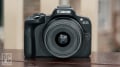
- Best for Teens: Canon EOS R50 serves as the ultimate starter mirrorless gear, offering 1080p video resolution and a clear path to learning manual exposure.
- Best Screen-Free: Camp Snap 2 is the premier choice for summer camp due to its lack of a distraction-heavy rear display and rugged build.
The best toy cameras for 2026 range from simple digital models to advanced entry-level gear. For younger children, one-button digital cameras like the Gofunly HD and screen-free options like the Camp Snap 2 are ideal due to their simplicity, while older students benefit from sophisticated choices like the OM System TG-7 and Canon EOS R50.
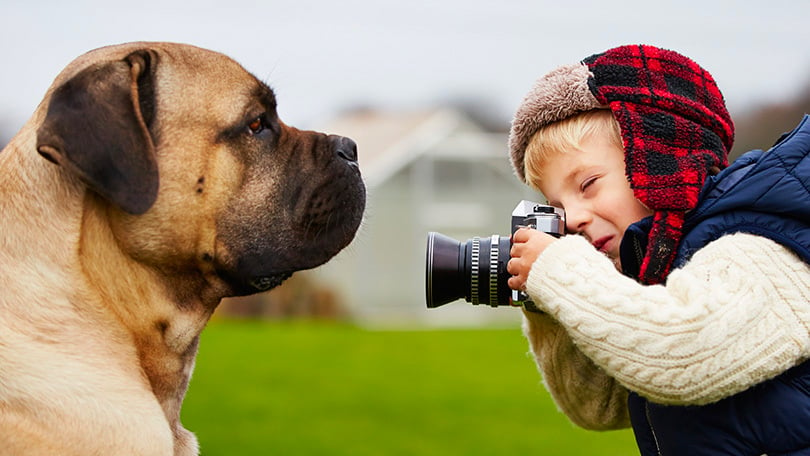
| Age Range | Model | Type | Key Feature |
|---|---|---|---|
| Ages 3-5 | Gofunly HD | Digital | Shockproof bumper |
| Ages 6-9 | VTech KidiZoom | Instant | Thermal printing |
| Ages 8-12 | Camp Snap 2 | Screen-Free | Analog aesthetic |
| Ages 10+ | DJI Osmo Action 4 | Action | 4K / Stabilization |
| Teens | Canon EOS R50 | Mirrorless | Interchangeable lenses |
| Teens | OM System TG-7 | Rugged | 50ft Waterproof |
| Education | Kodak Ektar H35N | Film | Half-frame economy |
The Megapixel Reality Check: Software vs. Sensors
As a photography editor, I often see parents lured in by boxes claiming 48 or even 60 megapixels on a device that costs less than a pizza. In the world of best digital toy cameras, this is what we call interpolation. The internal sensor is usually only 2 or 5 megapixels, and the software simply stretches the image. This often results in muddy details and significant shutter lag when the child presses the button.
When you are looking for toy cameras that work, focus on the lens quality and the speed of the processor rather than the inflated megapixel count. A genuine 5MP photo will always look better than a fake 48MP one. Furthermore, check the memory card slot capability. Many of these units come with a small 32GB card, which is plenty for low-resolution shots but fills up quickly if the child discovers the 1080p video resolution setting. Quality imaging is about light and stability, not just a number on a box.
Choosing a device with a physical camera filter can also add more creative value than software-based ones, as it teaches kids how glass affects light before it even hits the sensor.
Best for Ages 3-5: The Rugged Starters
For the preschool crowd, ergonomics and durability are the only things that matter. Toddlers do not care about resolution; they care about the click sound and seeing their face on the screen. The Gofunly HD is designed specifically for this demographic. It features a thick, shockproof silicone bumper that wraps around the entire chassis, protecting the internal electronics from the inevitable sidewalk drops.
These toy cameras for toddlers usually feature dual lenses for easy selfies and a dedicated lanyard attachment to keep the device tethered to the child's neck or wrist. We found that the button responsiveness on the Gofunly is tuned perfectly—stiff enough to prevent accidental shots in a bag, but soft enough for little fingers to actuate. It is essentially a plastic camera toy that behaves like a real tool, giving them a sense of ownership over their perspective.
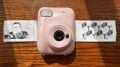
Best for Ages 6-9: Instant Prints and Creative Filters
Once children reach elementary school age, the novelty of seeing a digital image fades, and they begin to crave physical artifacts. This is where instant print cameras for kids have taken over the market. Using thermal receipt paper rather than expensive Polaroid film, these devices allow kids to print hundreds of black-and-white photos for just a few dollars.
The VTech KidiZoom PrintCam is the leader here. It includes a built-in selfie mirror and a suite of creative filters that allow kids to add frames, stickers, and effects to their photos before hitting print. Because there is no ink involved, parents do not have to worry about messy cartridges. The low cost per print encourages experimentation—a key component of developing an eye for photography. The kids' instant print camera segment is forecasted to expand at a compound annual growth rate (CAGR) exceeding 15% between 2024 and 2028, reflecting just how much children enjoy the tactile nature of physical prints.

Screen-Free Fun: The Best for Summer Camp
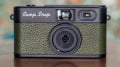
A significant trend heading into 2026 is the rise of the screen-free camera. Many summer camps and schools have implemented "no screen" policies to encourage social interaction and presence. However, parents still want their children to document their memories. The Camp Snap 2 has become the gold standard for screen-free cameras for summer camp.
It looks and feels like a vintage point-and-shoot, utilizing an optical viewfinder rather than a LCD screen. This forces the child to stay in the moment rather than immediately reviewing and deleting shots. The device creates an analog aesthetic in its digital files, mimicking the look of film without the recurring costs. For those who want a true traditional experience, we still recommend best toy film cameras like the Kodak Ektar H35N. This half-frame camera allows you to get 72 shots out of a standard 36-exposure roll, making it a budget-friendly way to teach the discipline of film.
Best for Tweens and Teens: Stepping Toward Pro Gear
As kids enter their teen years, the transition from toy cameras to starter mirrorless cameras for teens becomes necessary. Athletes and adventurers will gravitate toward the DJI Osmo Action 4. It offers incredible digital stabilization which is essential for capturing smooth footage while skateboarding or mountain biking. It is one of the most rugged kid-friendly cameras on the market, capable of surviving dirt, mud, and water without a separate housing.
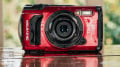
For those interested in nature and wildlife, the OM System TG-7 is a powerhouse. It is waterproof down to 50 feet and features a microscope mode that can capture the intricate details of a dragonfly's wing or a snowflake. This level of macro capability is rarely found even in professional lenses without significant investment.
Finally, for the aspiring portrait or street photographer, the Canon EOS R50 represents the best entry into a proper ecosystem. It allows the user to swap lenses and master manual exposure, which is the foundation of professional imaging. These cameras provide a distraction-free way for kids to document their experiences without violating school or camp device policies that often ban smartphones but allow dedicated cameras.
Buyer’s Checklist: Batteries, Storage, and Durability
Before you click buy, there are three logistical factors that can make or break the experience for a young photographer.
First, consider the power source. Most modern toy cameras use internal lithium-ion batteries rechargeable via USB-C. This is convenient, but for a long camping trip, a camera that takes AA batteries might be more practical. Second, always inspect the memory card slot. Ensure the camera supports at least a Class 10 MicroSD card to prevent lag when saving files. Finally, look for a shockproof silicone bumper or a reinforced frame. Even older kids are prone to dropping gear during high-energy activities.
The global kids' camera market is projected to grow from USD 1.2 billion in 2024 to USD 2.5 billion by 2033, with a compound annual growth rate (CAGR) of 9.1% beginning in 2026. This growth is driven by the fact that sales of children's cameras on major e-commerce platforms reached 427 million yuan in 2024, marking a 110.5% year-over-year increase. Parents are clearly shifting away from screen-based entertainment toward creative tech that encourages outdoor exploration.

FAQ
What exactly is a toy camera?
A toy camera is a simplified photographic device designed primarily for ease of use and durability. While they often feature plastic bodies and basic lenses, they function as real tools for capturing images. The term also encompasses high-end rugged gear designed for youth and specialized cameras like the Camp Snap that focus on the experience of shooting rather than technical perfection.
Do toy cameras take real photos?
Yes, toy cameras take real digital or film photographs that can be saved, shared, and printed. While the image quality on entry-level models may not match a modern smartphone, higher-end models like the OM System TG-7 or DJI Osmo Action 4 produce professional-grade 4K video and high-resolution stills.
What is the best age for a child to start using a toy camera?
Most children develop the fine motor skills necessary to operate a basic shutter button around age 3. At this stage, a plastic camera toy with a large grip and simple interface is best. As they move into ages 6 to 9, they can begin handling more complex features like thermal printing and creative filters.
Are toy cameras digital or film-based?
The majority of toy cameras on the market today are digital, using MicroSD cards for storage. However, there is a significant resurgence in best toy film cameras for older children and teens who want to learn the chemistry and patience required for analog photography.
Can you print photos directly from a toy camera?
Yes, specific models known as instant print cameras for kids feature built-in thermal printers. These allow kids to hit a button and receive a black-and-white print immediately. Other digital models require you to transfer files to a computer or a specialized photo printer to get hard copies.
Conclusion
Choosing the right camera for a child in 2026 is about matching the hardware to their developmental stage. For a toddler, a Gofunly with a shockproof silicone bumper provides the safety they need to explore. For a vlogging teen, the DJI Osmo Action 4 offers the 1080p video resolution and stabilization required for modern content creation. By investing in these creative tools, you are giving your child a new way to see the world—one frame at a time. Whether it is a screen-free model for camp or a starter mirrorless kit, the best toy cameras are the ones that actually get taken out of the house and into the wild.