Quick Facts
- Benchmark: The Samsung Galaxy S25 Edge sets the standard for slab devices with a 5.8mm chassis depth.
- Slenderest Foldable: Galaxy Z Trifold holds the record at a 3.9mm unfolded profile.
- Historical Record: The 2014 Vivo X5 Max remains the thinnest slab-style phone at 4.8mm.
- Weight Leader: The Galaxy S25 Edge remains impressively light at 163 grams despite its flagship specs.
- Engineering Trade-offs: Achieving sub-6mm thickness usually requires high-density batteries and the removal of telephoto lenses.
- Top Alternative: The Honor Magic V3 offers a 4.35mm profile while maintaining a high-capacity 5,150 mAh battery.
The Samsung Galaxy S25 Edge set a high bar for slab-style devices at just 5.8mm, but the 2026 market offers even slimmer alternatives. From foldable marvels like the Z Trifold to refined compact flagships, finding ultra-slim android phones that don't sacrifice power is now possible. This guide explores five devices thinner than the S25 Edge and the hardware compromises involved.
As of May 2026, the slimmest Android phones include the Galaxy Z Trifold at 3.9mm and the Vivo X5 Max at 4.8mm, both of which are significantly thinner than the 5.8mm Galaxy S25 Edge. These devices prioritize hardware miniaturization and innovative form factor ergonomics to achieve such slender profiles without completely sacrificing flagship chipset performance.
| Model | Thickness (mm) | Weight (g) | Battery (mAh) |
|---|---|---|---|
| Samsung Galaxy Z Trifold | 3.9 (Unfolded) | 235 | 4,800 |
| Samsung Galaxy Z Fold 7 | 4.2 (Unfolded) | 224 | 4,400 |
| Honor Magic V3 | 4.35 (Unfolded) | 226 | 5,150 |
| Vivo X5 Max | 4.8 (Slab) | 156 | 2,300 |
| Samsung Galaxy S25 Edge | 5.8 (Slab) | 163 | 3,900 |
The Benchmark: Why the Galaxy S25 Edge at 5.8mm Matters
In the world of mobile journalism, we often talk about "the wall"—the point where a device becomes so thin that structural integrity and battery life begin to fail. For years, 7mm was that wall. Then came the Samsung Galaxy S25 Edge features an ultra-thin profile of 5.8 mm and weighs 163 grams, effectively shattering the ceiling for what a traditional slab-style smartphone could achieve.
The S25 Edge isn't just about a thin chassis depth; it’s a masterclass in titanium frame construction. By moving away from aluminum, Samsung was able to maintain rigidity while shaving off millimeters. However, even with its optimized One UI software features, the device faces challenges. To reach 5.8mm, Samsung had to utilize a 3,900mAh battery, which is small by 2026 standards, and significantly reduce the camera module protrusion. This necessitated the removal of a traditional periscope zoom, a trade-off many photography enthusiasts might find difficult to swallow.
The S25 Edge serves as the primary benchmark for any slim android phones hitting the market this year. It represents the pinnacle of one-handed usability for a non-folding device, but it is no longer the undisputed king of thinness. As manufacturers look toward foldables and new battery chemistry, the 5.8mm mark has been surpassed by devices that distribute their internal components across a wider surface area.
1. Samsung Galaxy Z Trifold: The New 3.9mm King
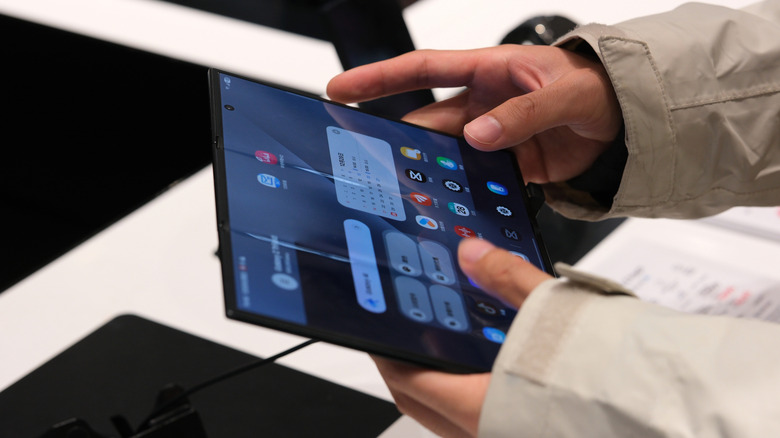
The most shocking development in 2026 hardware is the Samsung Galaxy Z Trifold. By utilizing a dual-hinge design, Samsung has created a device that, when opened, features a record-breaking 3.9mm unfolded profile. This is dramatically thinner than the S25 Edge, though it achieves this by being significantly thicker (12.9mm) when fully folded.
The engineering behind this is a result of extreme hardware miniaturization. By splitting the battery cells across three different chassis sections, Samsung avoids the "hot spot" issues typical of slim and lightweight mobile phones. The use of high-density silicon-carbon batteries allows each section to remain incredibly thin while still providing a combined 4,800mAh capacity.
From a real-world usage scenario, the Z Trifold offers a unique type of form factor ergonomics. When unfolded, the 3.9mm depth makes the device feel almost like a sheet of digital paper. The OLED panel flexibility has reached a point where the screen can maintain its structural integrity without a thick backing plate. This is the thinnest foldable android phones 2026 has to offer for power users who refuse to carry a bulky tablet but want that expansive screen real estate for multitasking.
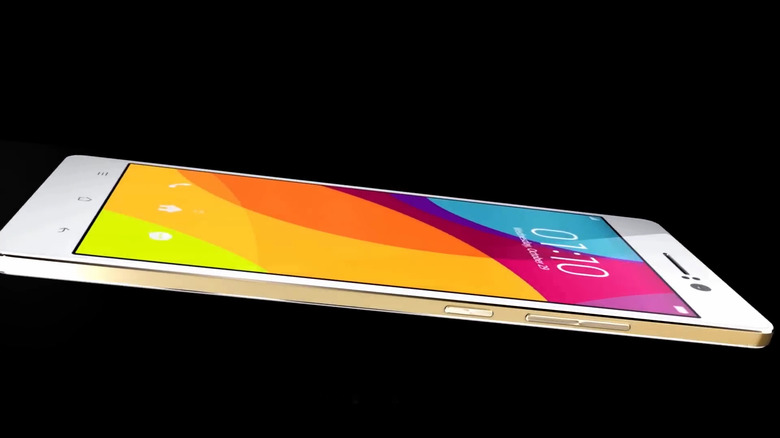
2. Vivo X5 Max: The 4.8mm Historical Record Holder
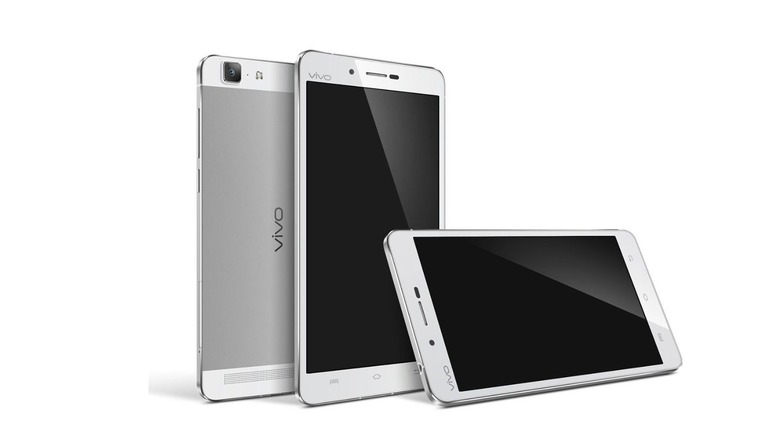
It might seem strange to include a device from 2014 in a 2026 comparison, but the Vivo X5 Max remains a fascinating piece of mobile history. At a mere 4.8 mm depth, it is still a full millimeter thinner than the S25 Edge. When we look at android phones thinner than galaxy s25 edge, the X5 Max is the only slab-style device that consistently beats the modern flagship.
However, the X5 Max serves as a cautionary tale regarding battery density trade-offs. To achieve 4.8mm, Vivo had to settle for a 2,300mAh battery, which would struggle to power a modern 5G modem for even half a day. Furthermore, while it famously kept the 3.5mm headphone jack by placing it on a slightly thicker part of the frame, it lacked the flagship chipset performance we expect today.
Modern manufacturers have struggled to return to the sub-5mm slab because 5G antennas and advanced thermal management systems require more internal volume. The X5 Max remains the "world's thinnest" in the hearts of many enthusiasts, but it lacks the durability and 2026-era connectivity found in newer releases. It highlights the shift in consumer demand: we want slim, but we no longer accept the "dead by noon" battery life that the X5 Max offered.
3. Samsung Galaxy Z Fold 7: Productivity at 4.2mm
While the Trifold captures the headlines, the Samsung Galaxy Z Fold 7 is the more practical choice for the average professional. Measuring 4.2mm when unfolded, it comfortably beats the S25 Edge's 5.8mm thickness while offering an 8-inch main display.
The Z Fold 7 focuses on slim lightweight flagship android phones that don't compromise on durability. The display-to-body ratio has been improved by shrinking the bezels and integrating the hinge more tightly into the titanium frame. This device is specifically engineered for single-handed usability when closed, but it’s the thinness when open that changes the ergonomics.
Compared to the S25 Edge, the Z Fold 7 feels more premium due to its weight distribution. Even though it is heavier in total grams, the thinness of the panels makes it easier to hold for long reading sessions. It represents a samsung small size android phone alternative that expands into a productivity beast.
4. iPhone Air (2025) vs. Android Alternatives
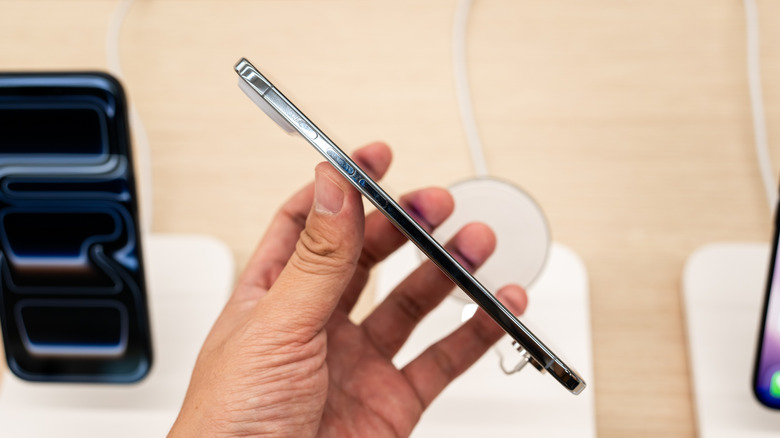
We cannot discuss ultra-thin phones without mentioning the iPhone Air (2025), which Apple designed to target a 5.6mm profile. This cross-platform rival pushed Android manufacturers to innovate further. While the iPhone Air is a marvel, many android phones thinner than galaxy s25 edge actually offer more utility.
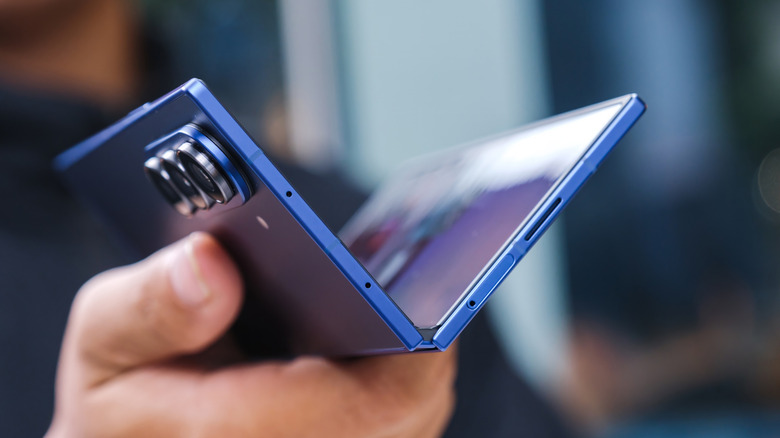
For those looking for a small android phone 2026, the Honor Magic V3 is perhaps the most impressive challenger. The Honor Magic V3 foldable smartphone measures 4.35 mm when unfolded, beating the Galaxy S25 Edge's thickness while famously housing a larger 5,150 mAh battery. This is achieved using silicon-carbon battery technology, which provides higher energy density than the traditional lithium-ion packs used by Apple.
When you look at ultra thin android phones vs iphone air, the Android side currently wins on battery life and camera versatility. Devices like the Magic V3 manage to include a respectable camera module protrusion that houses high-quality sensors, whereas the iPhone Air reportedly sacrifices lens quality to hit its 5.6mm target. For value-conscious buyers, even mid-range options like the Pixel 10a are adopting a pocket-friendly design that prioritizes a thin in-hand feel over raw millimeter records.
5. The Engineering Reality: Battery vs. Aesthetics
As an editor who has deconstructed dozens of handsets, I have to be honest: extreme thinness comes at a cost. When you look for a slim and lightweight mobile phones, you are often trading away three critical things: thermal performance, battery capacity, and camera zoom.
Thermal throttling challenges are the biggest hurdle for sub-6mm phones. In a 5.8mm frame like the S25 Edge, there is very little room for a traditional vapor chamber. Manufacturers must use advanced graphite sheets and underclocked chipsets to prevent the device from overheating during intensive tasks. If you are a heavy mobile gamer, an ultra-thin phone might not be your best bet, as the flagship chipset performance will likely be capped to keep temperatures stable.
Then there is the camera module protrusion. To keep the rest of the body at 5.8mm or 4.2mm, the cameras often have to stick out significantly, or the manufacturer has to use smaller sensors. The S25 Edge famously lacks a 10x optical zoom because the physical stack height of the lenses simply won't fit in a 5.8mm chassis.
Finally, the battery versus aesthetics battle is ongoing. Most slim android phones use high-density batteries to maximize every square millimeter of internal space. While foldable devices like the Honor Magic V3 have shown that you can have a large battery in a thin frame by increasing the surface area, slab phones are stuck. If you want a small android phone 2026 model that lasts all day, you may have to accept a slightly thicker 7mm or 8mm profile to get that 5,000mAh capacity.
FAQ
Which is the slimmest Android phone?
As of mid-2026, the Samsung Galaxy Z Trifold holds the record for the slimmest profile when unfolded, measuring just 3.9mm. For traditional slab-style phones, the historical record is still held by the Vivo X5 Max at 4.8mm, while the modern benchmark is the Galaxy S25 Edge at 5.8mm.
Which smartphone is the thinnest?
The thinnest smartphone currently available is the Galaxy Z Trifold in its unfolded state (3.9mm). If you are looking for the thinnest non-folding smartphone currently in production for 2026, the Samsung Galaxy S25 Edge at 5.8mm leads the flagship market.
What is the smallest and lightest Android phone?
The Galaxy S25 Edge is widely considered the best balance of small and light, weighing only 163 grams with a 5.8mm thickness. However, for those who want a truly tiny footprint, the Galaxy Z Flip series provides a pocket-friendly form factor that is much shorter than a traditional slab when folded.
What is the thinnest phone you can buy?
You can buy the Galaxy Z Trifold for the thinnest unfolded experience (3.9mm) or the Honor Magic V3 (4.35mm unfolded). If you prefer a traditional smartphone that doesn't fold, the Samsung Galaxy S25 Edge at 5.8mm is your best high-performance option.