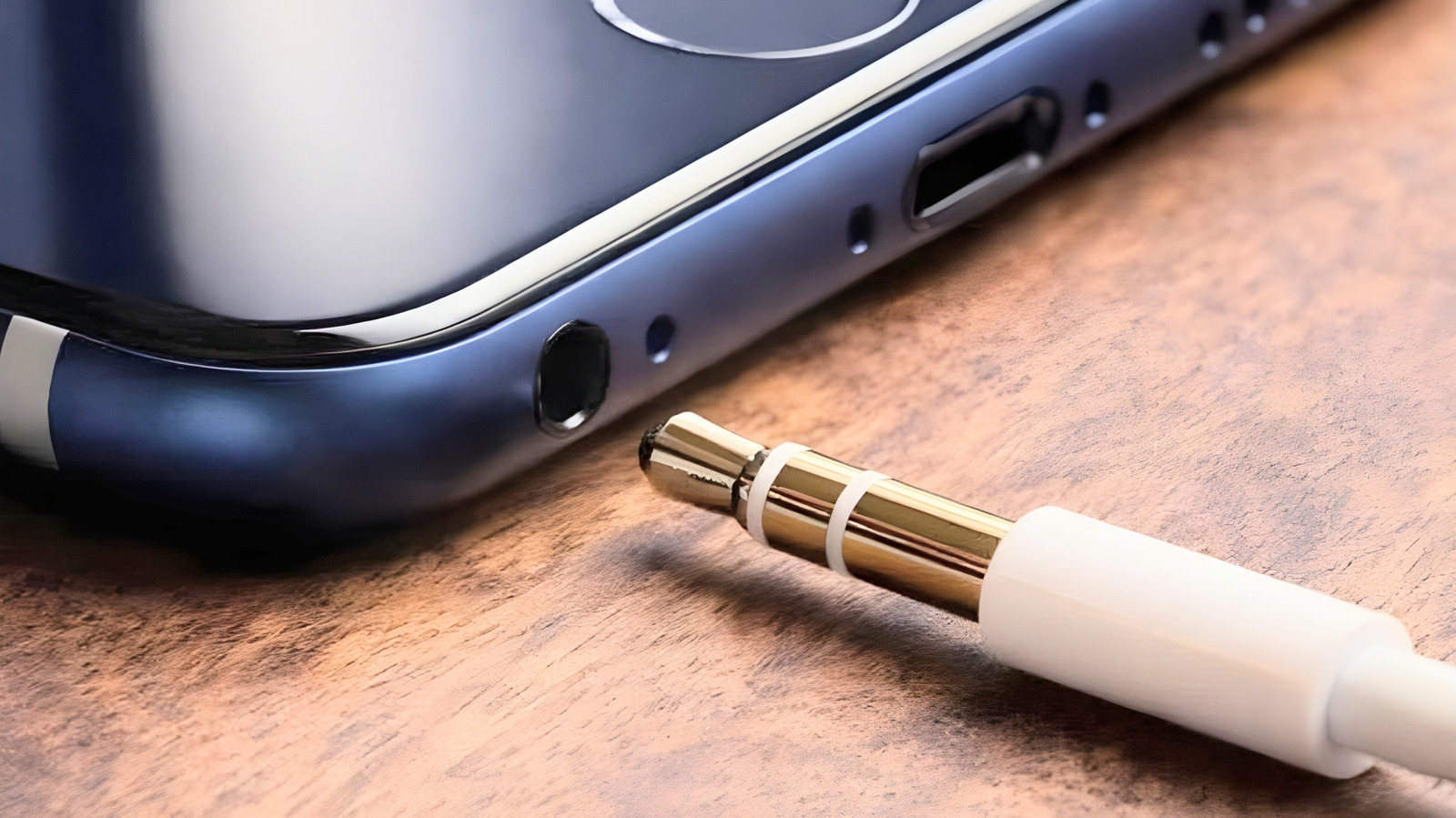
If you have ever reached into your desk drawer to find a pair of old headphones only to realize the plug is just a bit too small for your phone or laptop, you have encountered the great divide of analog audio. In the world of music gear, size matters, but not always in the way you might expect. As someone who has spent years testing everything from budget earbuds to high-end studio monitors, I have seen the 3.5mm jack hold its ground as a titan of industry while the 2.5mm version carved out a niche for the most dedicated listeners.
Understanding the 2.5mm vs 3.5mm headphone jack differences is about more than just millimeters. It is about electrical topology, mechanical durability, and the pursuit of audio fidelity. Whether you are troubleshooting legacy hardware or building a high-fidelity mobile rig, knowing which port does what can save you from a lot of frustration and, potentially, an expensive repair bill.
Quick Facts
- Physical Diameter: 3.5mm (roughly 1/8 inch) vs 2.5mm (roughly 3/32 inch)
- Standardization: 3.5mm is the universal consumer standard for smartphones, laptops, and consoles
- Specialization: 2.5mm is primarily used for balanced audio in hi-fi gear and older communication devices
- Durability: 3.5mm offers 5,000 to 10,000 insertion cycles; 2.5mm is more fragile at 2,000 to 5,000 cycles
- Interchangeability: Not physically interchangeable; requires a passive or active adapter
- Signal Type: 3.5mm is typically single-ended (unbalanced); 2.5mm is frequently utilized for balanced connections
The primary difference between a 2.5mm and a 3.5mm jack is physical size. The 3.5mm jack, measuring approximately 1/8 inch, is the standard for most consumer electronics like laptops, tablets, and gaming consoles. The 2.5mm jack is a sub-miniature connector that is thinner and shorter, typically found in older communication devices, two-way radios, and specialized balanced audio equipment.
While 2.5mm and 3.5mm connectors are not physically interchangeable, they can be made compatible using passive adapters. The 3.5mm version is most common for stereo audio and microphone input, whereas the 2.5mm version is frequently utilized in high-fidelity audio setups for balanced connections to improve signal-to-noise ratios and stereo separation.
The Evolution of the Connection
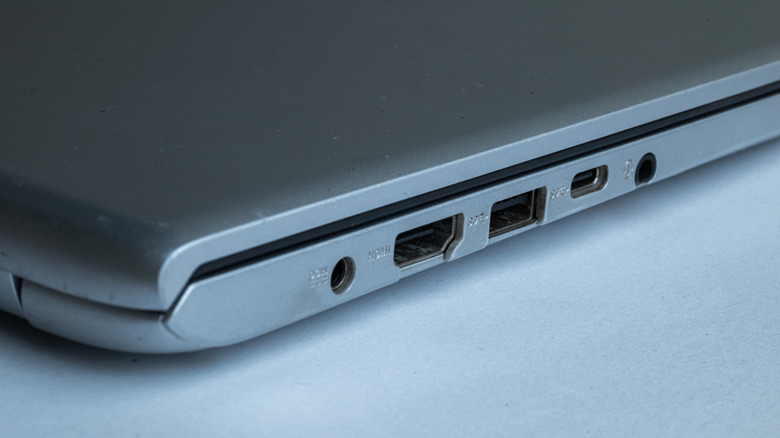
The story of these connectors actually begins in the late 19th century with manual telephone switchboards. Back then, operators used massive 1/4-inch plugs to connect calls. As technology shrunk, so did the connectors. The mini 3.5mm jack was famously popularized by the Sony Walkman in 1979, turning a niche telecommunications part into a global consumer standard.
The 2.5mm version followed a different path. It was designed as a sub-miniature plug for devices where space was at an absolute premium, such as early mobile phones, pagers, and two-way radios. However, in the last decade, it found a second life in the audiophile community. High-end Digital Audio Players (DAPs) began using the 4-pole 2.5mm jack port to offer balanced output, providing a more robust signal for demanding headphones.
Despite this history, the landscape is changing. Recent data shows that over 70% of flagship smartphones sold globally in 2024 lack a dedicated 3.5mm jack port. This shift toward wireless and digital audio transmission has pushed the analog jack back into the hands of professionals and enthusiasts who prioritize bit-perfect sound.
The Anatomy of the Plug: TRS vs. TRRS
When you look at a 3.5mm jack, you will notice black or colored rings around the metal tip. These are insulators that separate different electrical "lanes." Understanding these is vital for identifying 3.5mm trrs vs trs jack differences.
- TS (Tip-Sleeve): Two conductors. Usually found on mono cables, such as those for guitar gear or simple radio mics.
- TRS (Tip-Ring-Sleeve): Three conductors. This is the standard for 3.5mm jack headphones providing left and right stereo channels and a common ground.
- TRRS (Tip-Ring-Ring-Sleeve): Four conductors. This adds an extra lane, usually for a microphone or an in-line remote.
While both sizes use these configurations, the 2.5mm jack port in high-end audio often uses a TRRS setup for a balanced signal rather than a microphone. In a balanced setup, the signal is sent twice—once in its normal phase and once inverted. This allows the amplifier to cancel out electrical noise and interference, achieving a much higher signal-to-noise ratio.
Physical and Technical Comparison
The following table breaks down the key specifications you need to know when comparing these two standards.
| Feature | 3.5mm Jack | 2.5mm Jack |
|---|---|---|
| Diameter | 3.5 mm (0.14 in) | 2.5 mm (0.098 in) |
| Length | ~14mm - 17mm | ~11 mm |
| Common Uses | Smartphones, Laptops, PCs | Hi-Fi Audio, Two-way Radios |
| Ruggedness | High (Internal spring clips) | Moderate (Prone to bending) |
| Durability Rating | 5,000 to 10,000 cycles | 2,000 to 5,000 cycles |
| Signal Standard | Single-Ended (Unbalanced) | Often Balanced |
Sound Quality Myths: Does Size Affect Audio Fidelity?
One of the most common questions I get from readers is: "Will a smaller jack make my music sound worse?" The answer is both simple and nuanced.
Strictly speaking, the physical diameter of the plug has zero impact on audio fidelity. An analog transmission is an electrical signal, and both 2.5mm and 3.5mm plugs use identical conductive materials, usually gold-plated contacts. However, the way they are wired makes a massive difference.
Because the 2.5mm jack is the darling of the audiophile world, it is often associated with better sound because it carries a balanced signal. Using a balanced 2.5mm output can lead to better stereo separation and more power for high-impedance headphones. Conversely, the 3.5mm jack is built for universal compatibility. While it offers zero latency and excellent grounding shield properties, it is usually a single-ended connection.
If you are using a standard pair of consumer 3.5mm jack headphones, you are getting the sound the manufacturer intended. You only really see a jump in sound quality when moving to specialized balanced hardware, not just by changing the size of the plug itself.
Modern Compatibility: Adapters and New Standards
In today's "dongle-life" era, 3.5mm vs 2.5mm jack device compatibility is managed through a variety of adapters.
If you have a modern smartphone without a port, you likely use a usb-c to 3.5mm headphone jack adapter. These small cables aren't just wires; they contain a miniature digital-to-analog conversion chip (DAC). This chip takes the digital 1s and 0s from your phone and turns them into the analog waves your headphones can play.
In the studio, you might need a 3.5mm jack to 1/4 adapter to plug your consumer headphones into a mixing board or an audio interface. These are usually simple screw-on or snap-on pieces that bridge the size gap without affecting the signal.
Expert Tip: If you want to go wireless with old gear, a 3.5mm audio jack to bluetooth transmitter can breathe new life into a 20-year-old stereo system or airplane entertainment screen.
However, the 2.5mm jack is slowly being phased out in the high-end world by a newer, sturdier standard: the 4.4mm Pentaconn. It offers the same balanced benefits as the 2.5mm but with much better mechanical durability and electrical conductivity.
Safety Warning: The Danger of Wrong Adapters
This is the most critical part of this guide. Not all 2.5mm to 3.5mm adapters are created equal. Because the 2.5mm port on many high-end amplifiers is balanced, it has a different grounding structure than a standard 3.5mm jack port.
Warning: Never use a "dumb" passive adapter to plug standard 3.5mm TRS headphones into a balanced 2.5mm port. Doing so can short-circuit the negative terminals of the amplifier. While some high-end amps have protection circuits, others can be permanently damaged, or at the very least, you will experience heavy distortion.
Furthermore, remember the durability statistics. The 2.5mm jack is physically thinner and more prone to snapping if you apply lateral pressure. If you are using headphones with a heavy cable, the 3.5mm jack is much better equipped to handle the mechanical stress over years of use.
FAQ
What is the difference between 2.5 jack and 3.5 jack?
The difference is primarily physical size and typical application. The 3.5mm jack is 14-17mm long and is the standard for consumer audio. The 2.5mm jack is 11mm long and is used for balanced audio in hi-fi gear or older communication devices.
How do I know if I have a 2.5 mm or 3.5 mm jack?
If the plug looks like a standard headphone plug you would find on an airplane or an old iPod, it is a 3.5mm jack. If it looks significantly thinner—almost like the lead of a mechanical pencil—it is a 2.5mm jack. You can also measure the diameter of the metal pin; 3.5mm is about 1/8 inch, 2.5mm is about 3/32 inch.
What devices use a 3.5 mm jack?
The 3.5mm jack remains the standard for laptops, desktop PCs, gaming controllers (PS5/Xbox), portable gaming consoles like the Nintendo Switch, and budget to mid-range smartphones. It is also the standard for most consumer-grade "aux" inputs in cars.
Is 3.5 mm jack the same as aux?
In a consumer context, yes. "Aux" stands for auxiliary, and while an auxiliary input can technically be any connector, the 3.5mm jack has become the de facto standard for aux ports in cars and home stereo systems.
Is the 3.5mm jack outdated?
While digital connections like USB-C and Bluetooth are becoming more common, the 3.5mm jack is far from outdated. It provides zero latency, requires no battery power for the connection itself, and offers a level of audio fidelity that remains the benchmark for professional audio monitoring.
Choosing the Right Path for Your Sound
Navigating the world of audio connectors doesn't have to be a headache. If you are a casual listener, the 3.5mm jack port on your laptop or your usb-c to 3.5mm headphone jack adapter will serve you perfectly. It is durable, universal, and provides the analog transmission quality that has defined music for decades.
For the audiophiles among us, the 2.5mm jack represents a gateway into balanced audio. Just be mindful of its fragile nature and ensure your adapters are compatible with your amplifier's wiring. Regardless of the size you use, the goal remains the same: getting as close to the music as possible. Before you buy your next cable or adapter, always check your device's manual to verify if it supports balanced or single-ended signals.