Quick Facts
- Lifespan Range: 3 to 10+ years
- Heavy Use Battery Life: 2-5 years before noticeable capacity loss
- Primary Wear Point: Synthetic leather cushions requiring replacement every 6-24 months
- Structure: Metal-reinforced hinges on QC series versus stainless steel on the 700 series
- Repairability: Batteries are not user-replaceable; however, replacement accessories like cushions and cables are readily available
- Water Resistance: IPX4 rating on Bose 700 protects against light splashes; QC series has no official IP rating
Bose headphones typically last between three to ten years depending on maintenance; while the build quality remains high, the lithium-ion health of bose headphones wireless models is the primary factor in long-term product longevity.
Understanding the Bose Durability Spectrum: Real Owner Data
When we talk about how many years do bose headphones last, we have to distinguish between the physical structure and the electronic heartbeat. For many owners, the acoustic drivers—the components actually making the sound—are nearly immortal. It is not uncommon to find a pair of wired QuietComfort models from 2012 that still sound as crisp as the day they were unboxed. However, in the era of bose headphones wireless technology, the narrative has shifted toward battery health and material fatigue.
Community consensus from long-term users suggests that Bose headphones are designed with a potential lifespan of 5 to 10 years or more if they are properly maintained and stored in suitable conditions. The real challenge for the modern audiophile is the "financial death" of the product. This occurs when the cost or difficulty of a repair, such as a failing internal battery, rivals the price of a newer model.
There are clear signs you need new bose headphones or at least a major service. These include a "static" sound in one ear (often a sign of a failing ANC microphone), a headband that no longer retains its clamping force, or a battery that requires multiple charges a day. While the internal electronics are robust, the daily wear and tear from sweat, humidity, and physical movement eventually takes its toll on the exterior.
Hardware Comparison: Bose 700 vs QC Series Durability
In my years of testing audio gear, the debate between the bose headphones 700 and the QuietComfort (QC) series usually centers on ANC performance. However, from a durability perspective, they are entirely different animals. The bose headphones 700 features a streamlined, non-folding design with a stainless steel headband. This choice significantly reduces the number of moving parts—and fewer moving parts generally mean fewer points of failure. The cylindrical slider mechanism is elegant and resilient, though some owners find the lack of a folding hinge makes them more awkward to store safely without their specialized case.
Conversely, the QC series (like the QC45 or the older QC35 II) relies on a "metal-under-plastic" architecture. While the exterior looks like standard plastic, the critical stress points in the hinges are reinforced with metal. This allows for a folding design that is incredibly convenient for travel, but it does introduce material fatigue over several years of clicking the hinges back and forth.
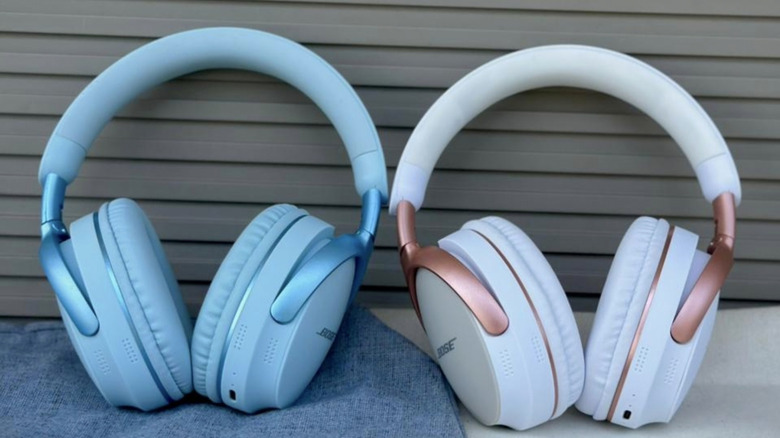
The bose headphones noise cancelling systems in both models are protected within the earcups, but the 700 series has a slight advantage in environmental protection. The 700s carry an IPX4 rating, meaning they can handle sweat and light rain. Most QC models lack this official certification, making them slightly more susceptible to internal corrosion if used heavily during workouts. When considering the bose 700 vs qc35 ii durability, the 700 feels like a more solid "stationary" investment, while the QC series is the king of the "commuter" lifestyle.
Expert Durability Scores vs. Owner Sentiment
| Feature | Bose 700 (Expert Score) | QC Series (Expert Score) | Common Owner Sentiment |
|---|---|---|---|
| Hinge Integrity | 9/10 | 7/10 | Owners worry about QC plastic cracking; 700s feel "tank-like." |
| Cushion Longevity | 6/10 | 6/10 | Both models suffer from "protein leather" peeling within 2 years. |
| Battery Life | 8/10 | 8/10 | Degradation is consistent across both lithium-ion platforms. |
| Headband Comfort | 7/10 | 9/10 | QC series is lighter for long sessions; 700 series can be "clampy." |
| Travel Safety | 8/10 | 9/10 | QC folding makes them less prone to being snapped in a packed bag. |
The 'First to Fail' Checklist: Cushions and Batteries
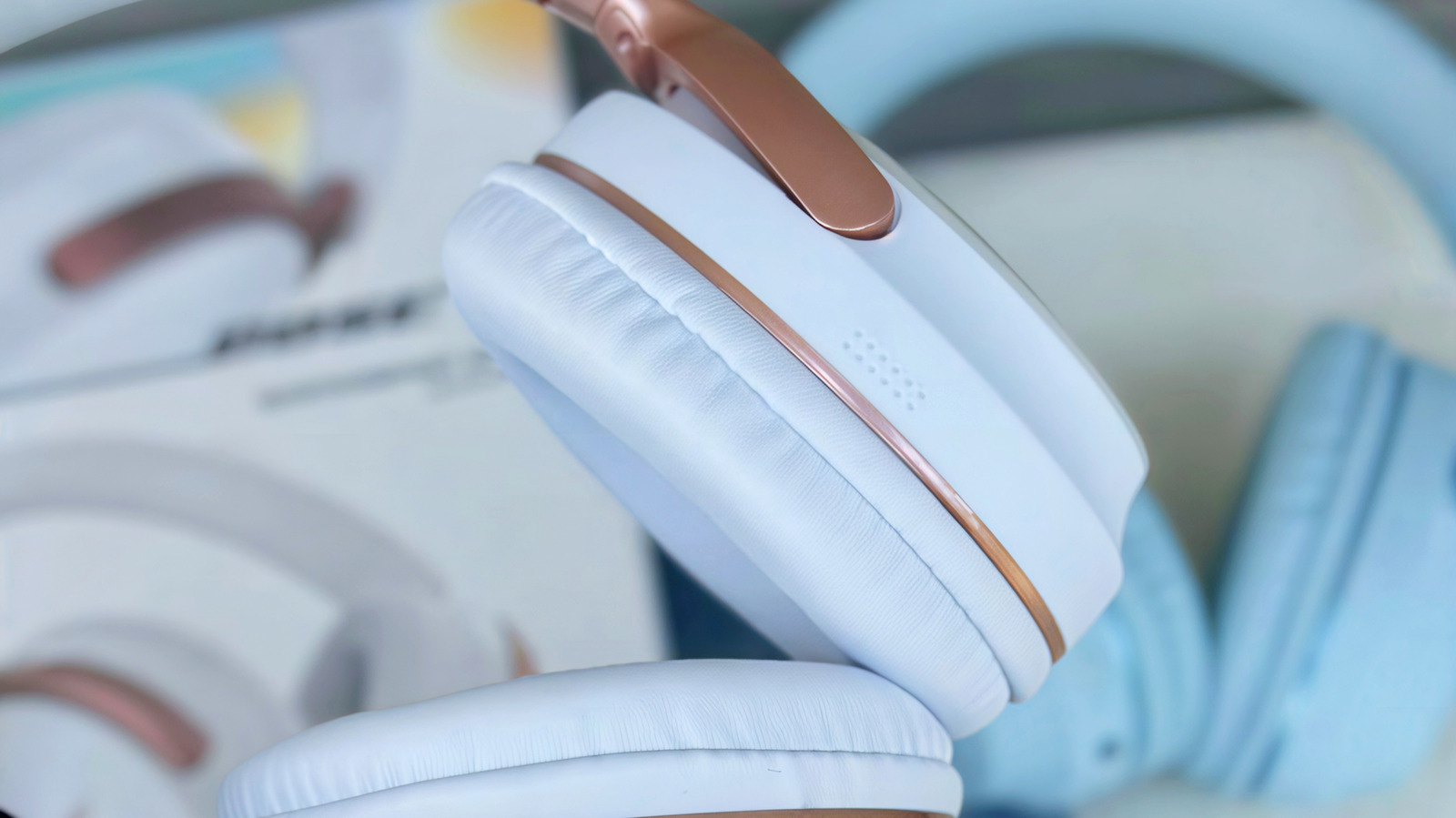
It is almost a rite of passage for Bose owners: the day you notice tiny black flakes on your ears after a listening session. This is the breakdown of the synthetic protein leather. Owners frequently report that the primary wear point on Bose QuietComfort models is the ear cushions, which typically require replacement every six months to two years depending on the frequency of use.
The bose headphones ear cushion replacement process is, thankfully, very simple. Bose sells official kits, and third-party options on Amazon are plentiful. This is the single most effective way to make a five-year-old pair of headphones feel brand new.
The more significant hurdle is the lithium-ion health. Unlike AA batteries of the past, the power source in bose headphones wireless units is integrated. Heavy everyday users may experience significant battery degradation within two years, with some reports indicating that a full charge's duration can drop from over 20 hours to just one hour due to regular use.
Since there is no official bose headphones battery replacement guide that allows for DIY fixes without voiding warranties or risking damage, owners must look toward preventative maintenance. If the battery fails completely outside of the warranty period, Bose often offers a "loyalty discount" on a new pair rather than a direct repair, which is something to keep in mind for your long-term budget.
Pro Tips for Extending Your Bose Lifespan
You don't have to accept a two-year lifespan as inevitable. With a few habit shifts, you can push your gear toward that ten-year mark.
- Cleaning bose headphones for longevity: After every workout or long commute, wipe the ear cushions with a dry microfiber cloth. Skin oils and salt from sweat are the primary catalysts for the synthetic leather peeling. Never use harsh alcohol-based cleaners, as they dry out the material and cause it to crack prematurely.
- Firmware updates: Many users ignore the Bose Music app after the initial setup. However, firmware updates often include battery management optimizations that help regulate voltage and heat during charging cycles.
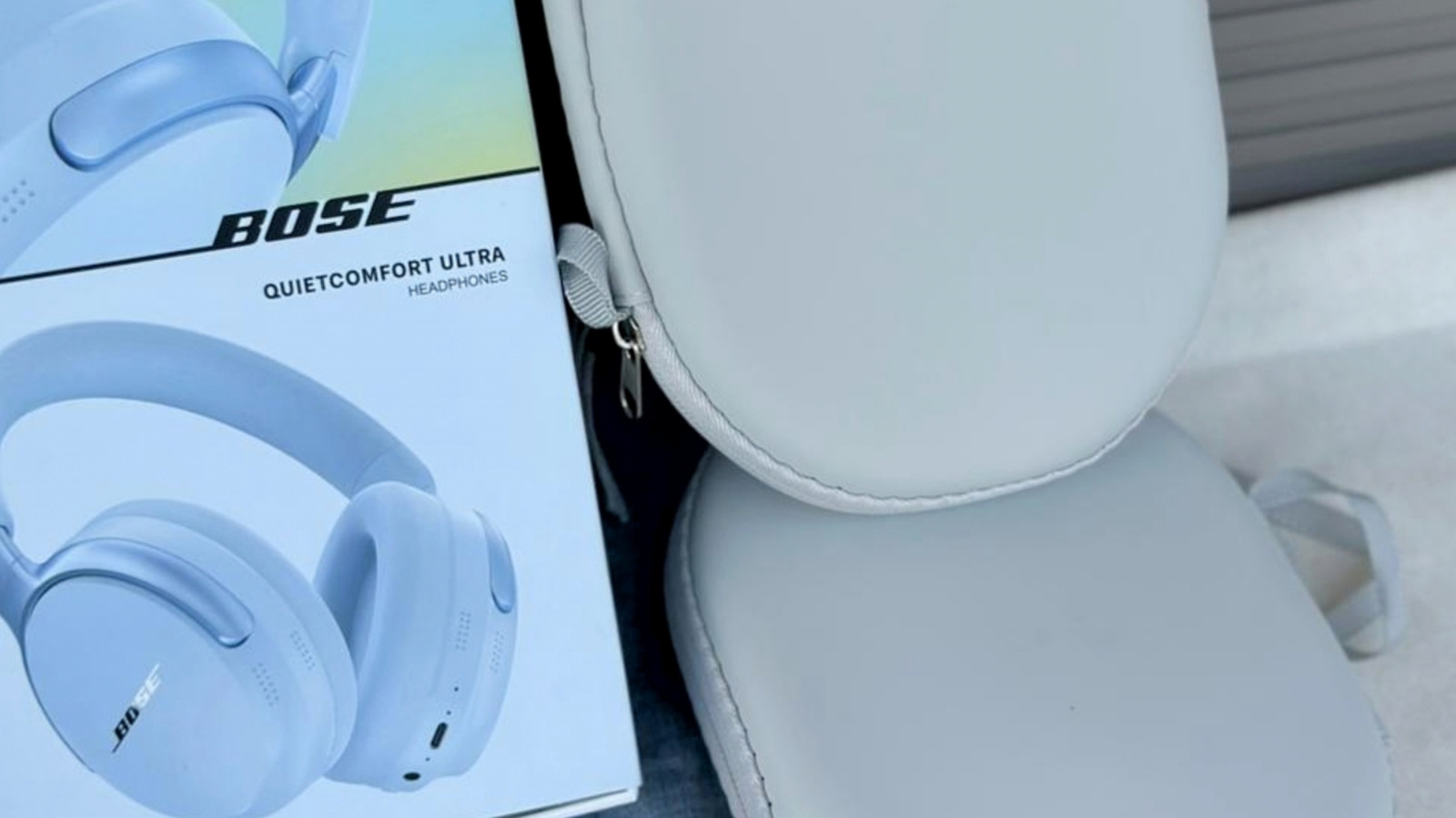
- Storing bose headphones for travel protection: Never throw your headphones loose into a backpack. Even the rugged stainless steel of the 700 series is vulnerable to being twisted. Use the included hard shell case to mitigate stress on the hinges and prevents the internal ANC microphones from being crushed.
- Smart Charging: Avoid leaving your headphones plugged in overnight once they reach 100%. Heat is the enemy of battery longevity; try to keep the charge between 20% and 80% when possible to extend the overall cycle life.
FAQ
Are Bose headphones really worth it?
Yes, for most users. While the initial investment is high, the combination of industry-leading noise cancellation and the fact that you can easily source replacement accessories like cushions and cables gives them a lower "cost per year" than many cheaper, disposable alternatives.
Which is better, Sony or Bose?
It depends on your priority. Sony often wins on tech features and codec support (like LDAC), but Bose generally leads in long-term comfort and structural simplicity. From a durability standpoint, the Bose 700’s stainless steel design is often seen as more resilient than the plastic-heavy build of the Sony WH-1000XM series.
What are the best Bose headphones to get?
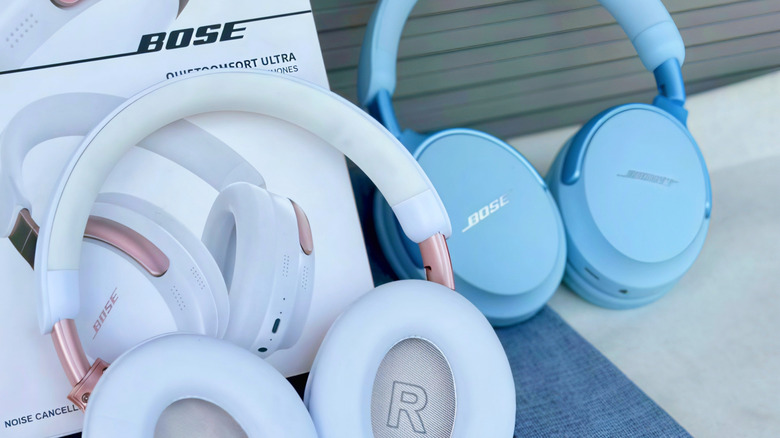
The QuietComfort Ultra is the current flagship for those wanting the best bose headphones noise cancelling experience. However, for sheer durability and a "buy it for life" feel, the Bose 700 remains a favorite due to its minimalist, metal-reinforced design.
What is better, Beats or Bose?
Bose is widely considered superior for build quality and acoustic accuracy. Beats models are often criticized for their heavy use of plastics and a sound profile that emphasizes bass over clarity. Bose headphones tend to have a higher resale value and better long-term support for replacement parts.