Our Top Picks
- Best Overall Stereo: KEF LS50 Wireless II – The gold standard for high-fidelity stereo sound with incredible detail and a massive soundstage.
- Best for Spatial Audio: Sonos Era 300 – A breakthrough in immersive listening, offering the best Dolby Atmos experience in a standalone unit.
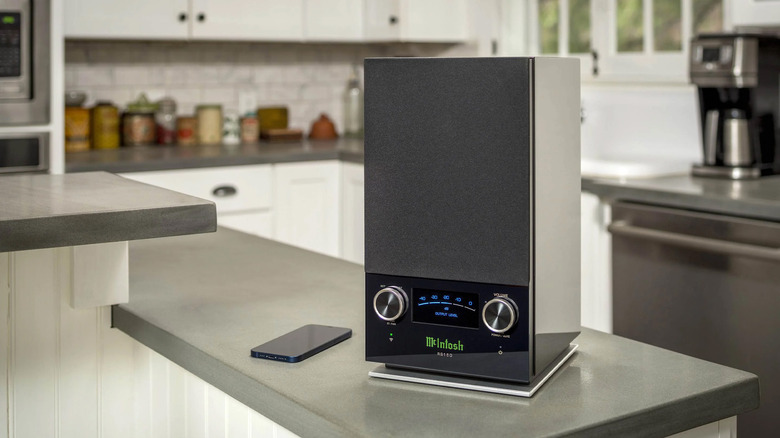
- Best Luxury Design: McIntosh RS150 – Combines legendary heritage aesthetics with modern streaming power for a true statement piece.
- Best for Large Rooms: Denon Home 350 – A powerhouse that fills open-concept spaces with deep bass and high-resolution clarity.
- Best Value Audiophile: Edifier M60 – Proves that lossless audio streaming speakers don’t have to break the bank to sound professional.
Wi-Fi speakers provide superior audio quality compared to Bluetooth by supporting higher bitrates and lossless streaming. While Bluetooth often compresses audio, Wi-Fi connectivity allows for high-resolution playback up to 24-bit/192 kHz through services like Tidal and Spotify Connect, ensuring you hear every detail as the artist intended.
The Shift Toward Lossless: Why Wi-Fi is the New Standard
For years, Bluetooth was the king of convenience. We accepted the "good enough" sound quality because we loved the portability. But as streaming services like Tidal, Apple Music, and Amazon Music transitioned to high-resolution tiers, the bottleneck became the wireless connection itself. We are now seeing a massive shift where best Wi-Fi speakers have become the gold standard for anyone serious about their listening experience.
The technical reality is simple: bandwidth. Bluetooth is a point-to-point link that relies on lossy codecs to squeeze data through a narrow pipe. Even the most advanced Bluetooth codecs can struggle to maintain a stable, high-bitrate connection without dropping out or introducing artifacts. In contrast, Wi-Fi-based audio platforms provide significantly more bandwidth than Bluetooth, enabling support for high-resolution and lossless playback up to 24-bit/192kHz.
Furthermore, the market is reflecting this demand. In 2023, Wi-Fi speakers accounted for approximately 40% of the global wireless speaker market share, while Bluetooth speakers held about 60%. As we move into 2026, that gap is closing rapidly as consumers prioritize whole-home audio stability and fidelity over mere portability.
13 Best Wi-Fi Speakers for Audiophile Sound in 2026
To help you navigate this crowded market, I have tested and categorized the top contenders based on their acoustic engineering, ecosystem support, and real-world performance.
| Model | Primary Use Case | Key Connectivity | Audio Tech |
|---|---|---|---|
| KEF LS50 Wireless II | Critical Listening | Roon Ready, AirPlay 2 | MAT, Uni-Q |
| Sonos Era 300 | Spatial Audio | Sonos App, AirPlay 2 | Dolby Atmos |
| McIntosh RS150 | Luxury/Design | Chromecast, AirPlay 2 | 120W Power |
| KEF LSX II | Desktop/Small Room | Tidal Connect, W2 Platform | Compact Uni-Q |
| Denon Home 350 | Large Living Rooms | HEOS, Alexa Built-in | Dual 6.5" Woofers |
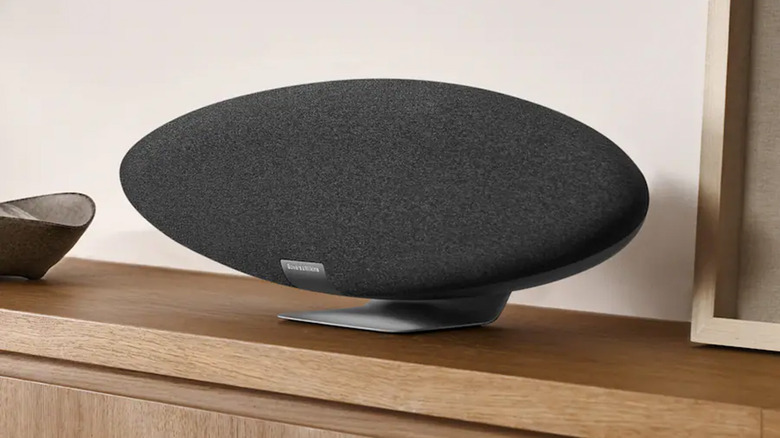
| B&W Zeppelin Pro | Living Room Style | AirPlay 2, aptX Adaptive | Iconic Form Factor |
| JBL Authentics 500 | Retro Decor | Google/Alexa Simplicity | Dolby Atmos |
| Edifier M60 | Budget Desktop | AirPlay 2, Wi-Fi | High-Res Certified |
| Ikea Symfonisk | Hidden Audio | Sonos Ecosystem | Frame/Lamp Design |
| Triangle AIO Twin | Classic Stereo | Linkplay, DLNA | Wood Enclosure |
| Naim Mu-so Qb V2 | Compact Premium | Roon Ready, Chromecast | 300W Amp |
| Bluesound Pulse 2i | High-Res Multi-room | BluOS | MQA Support |
| Devialet Phantom II | Pure Power | AirPlay 2, UPnP | Heart Bass Implosion |
Why Wi-Fi Beats Bluetooth for High-Fidelity
When we talk about Wi-Fi vs Bluetooth audio quality, we are really talking about the integrity of the signal. Bluetooth acts like a bridge that requires the music to be packed into small crates (compression) to cross. Wi-Fi acts like a multi-lane highway. Because Wi-Fi speakers are nodes on your home network, they can pull data directly from the cloud using protocols like Spotify Connect or Tidal Connect.
This means your phone is merely a remote control, not the source. If you walk into another room or take a phone call, the music doesn't stop. More importantly, the Digital-to-Analog Converter inside a high-end Wi-Fi speaker is receiving a bit-perfect stream. This lack of compression is what allows for a wider soundstage and more accurate instrument separation.
The Best Wi-Fi Speakers for Every Room Size
Finding the best Wi-Fi speakers for lossless audio streaming 2026 depends heavily on the air you need to move. A speaker that sounds delicate and detailed on a desk might disappear in a high-ceilinged living room.
Small Rooms and Desktop Setups: KEF and Edifier
For those who want a best wireless stereo pair speakers for audiophile listening on a smaller scale, the KEF LSX II is unbeatable. It uses KEF’s signature Uni-Q driver array, which places the tweeter in the acoustic center of the woofer. This creates a "point source" that results in incredible imaging.
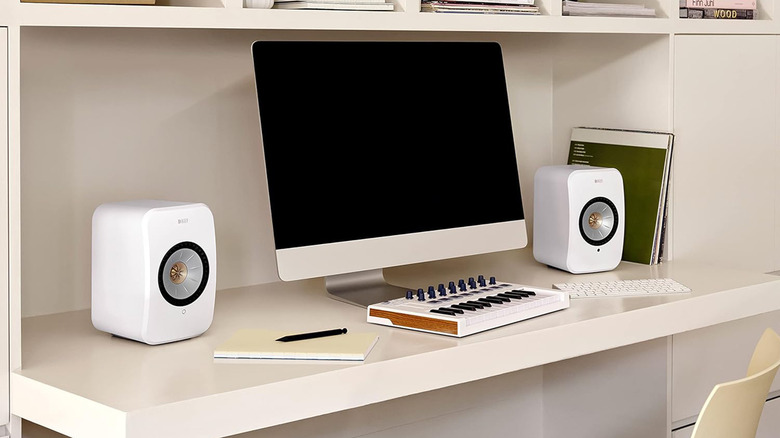
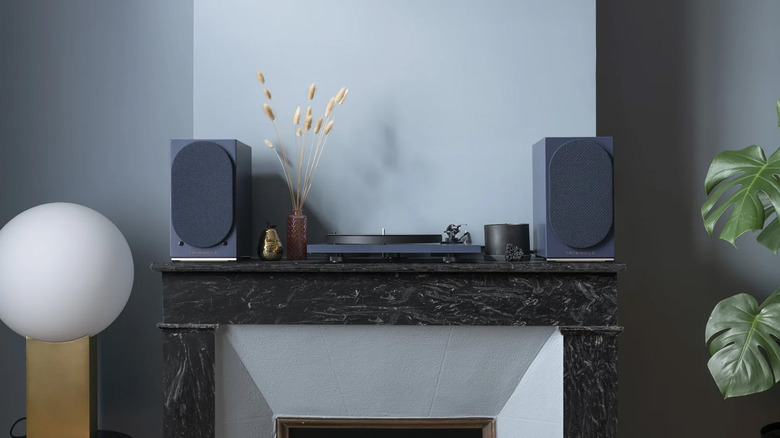
If you are looking for audiophile-grade Wi-Fi speakers under 2000 dollars, the Edifier M60 offers a surprisingly robust high-resolution wireless speakers experience. It supports 24-bit/192 kHz processing and fits perfectly on a bookshelf or home office desk. Similarly, the Triangle AIO Twin brings a classic wooden aesthetic to the digital age, offering a traditional bookshelf look with a modern high-resolution engine.
Living Rooms and Immersive Spaces: Sonos and Denon
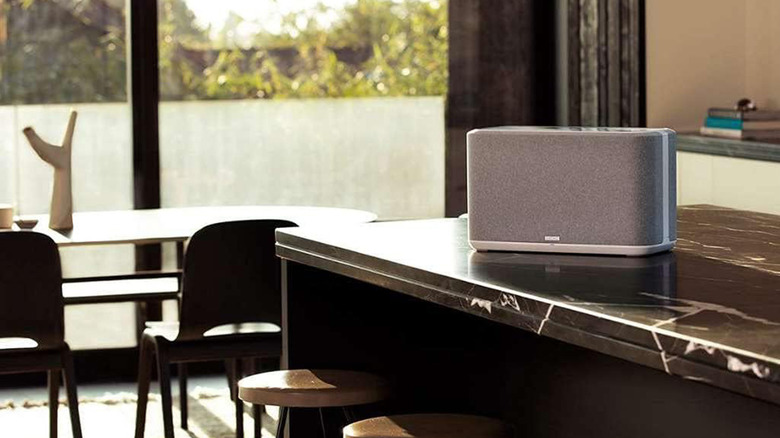
When it comes to room-filling sound, the Denon Home 350 is a beast. It features two 6.5-inch subwoofers that provide a physical thump you can feel in your chest. It’s part of the HEOS ecosystem, making it a top-rated multi-room Wi-Fi speakers for whole home audio contender.
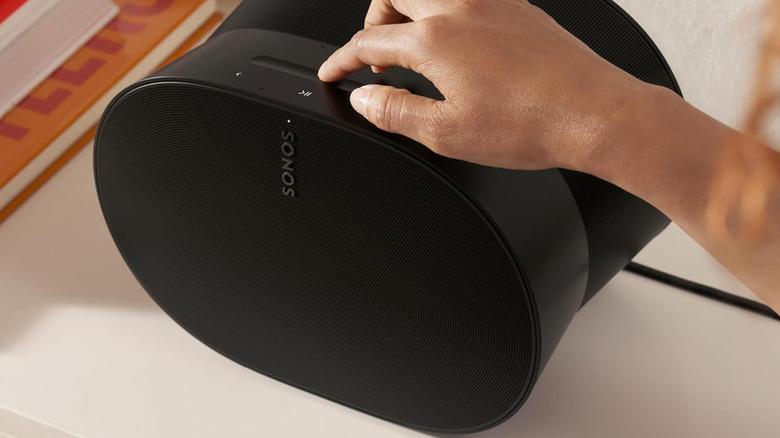
For those interested in the future of music production, the Sonos Era 300 is essential. It is specifically designed for spatial audio. By bouncing sound off the ceiling and walls, it creates a three-dimensional sphere of music. It is currently one of the best Wi-Fi speakers for lossless audio streaming 2026 if you primarily use Apple Music or Amazon Music’s Atmos catalogs.
The Statement Pieces: McIntosh and JBL
Sometimes, audio equipment is as much about the visual experience as the sonic one. The McIntosh RS150 is the perfect example. Featuring the classic blue output meter and a glass front faceplate, it brings the legendary McIntosh sound to a single-box solution. It supports everything from AirPlay 2 to Roon Ready integration, making it a versatile high-resolution wireless speakers powerhouse.
Meanwhile, the JBL Authentics 500 leans into the 1970s retro vibe with its Quadrex grille but hides a very modern 270-watt system with Dolby Atmos support inside. It is a fantastic choice for those who want a conversation starter that can also handle a high-energy house party.
Essential Specs: Codecs, Ecosystems, and MAT
When evaluating best Wi-Fi speakers, the spec sheet can be overwhelming. Here are the three pillars I look for in every review:
- Streaming Ecosystems: Look for best Wi-Fi speakers supporting AirPlay 2 and Chromecast. These are the "universal languages" of home audio. AirPlay 2 is better for Apple users, while Chromecast offers slightly better bandwidth for high-res Android users. Roon Ready status is the ultimate "audiophile" checkmark, allowing for sophisticated library management.
- Acoustic Engineering (MAT): KEF’s Metamaterial Absorption Technology (MAT) is a prime example of innovation. It uses a maze-like structure to absorb 99% of unwanted sound from the rear of the driver, resulting in much cleaner high frequencies.
- Active Speakers vs. Passive: All the speakers mentioned here are active speakers, meaning the amplifiers are built-in and tuned specifically for the drivers. This eliminates the need for bulky external amps and ensures the Digital-to-Analog Converter is optimized for that specific unit.
The goal is to achieve a wide soundstage where you can point to where each instrument is located in the room. This "holographic" sound is only possible when you have the bandwidth of Wi-Fi combined with high-quality physical components.
FAQ
What is the difference between Wi-Fi and Bluetooth speakers?
Wi-Fi speakers connect to your home network, allowing them to stream high-resolution, lossless audio directly from the internet with much higher bandwidth than Bluetooth. Bluetooth is a direct, short-range connection that typically compresses audio data, which can result in a loss of detail and lower fidelity.
Are Wi-Fi speakers worth the extra cost?
If you value audio quality and stability, yes. Wi-Fi speakers allow for 24-bit/192 kHz playback, which is significantly better than what Bluetooth offers. They also support multi-room sync and won't interrupt your music when your phone receives a notification or goes out of range.
Can you connect multiple Wi-Fi speakers together?
Yes, most Wi-Fi speakers are designed for whole-home audio. Using platforms like Sonos, HEOS, BluOS, or even Apple AirPlay 2 and Google Chromecast, you can group multiple speakers to play the same music in perfect sync across different rooms or play different tracks in each room.
Can Wi-Fi speakers be used for a home theater system?
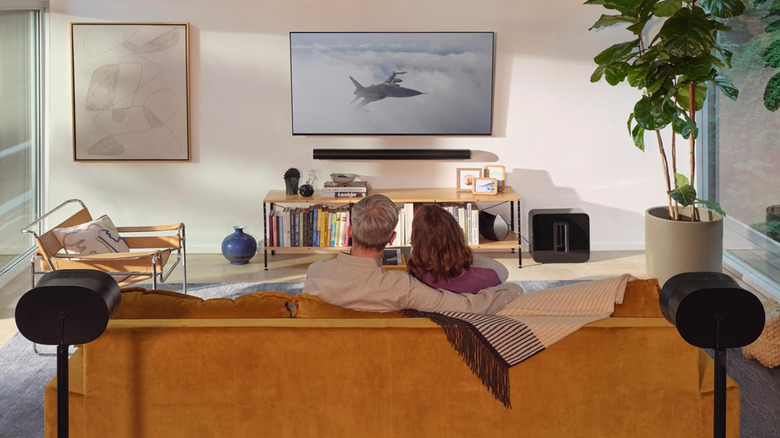
Many modern Wi-Fi speakers, such as the Sonos Era 300 or Denon Home series, can be paired with compatible soundbars and subwoofers to create a wireless surround sound system. They are excellent for handling rear channels or providing a spatial audio experience with Dolby Atmos.
Do Wi-Fi speakers work with all streaming services?
Most top-tier Wi-Fi speakers support major services like Spotify, Tidal, and Apple Music through built-in protocols like Spotify Connect or AirPlay 2. However, it is always best to check if the specific speaker supports your preferred ecosystem, especially if you require specialized services like Qobuz or Roon.