Quick Facts
- The Sweet Spot: 2018-2021 models offer the peak of refined V8 powertrain reliability and modern safety features.
- Years to Avoid: 2000-2004 models are high-risk for severe frame rot, while 2022 models face significant first-year twin-turbo V6 engine recalls.
- Tech Milestone: The 2020 model year was the first to finally integrate Apple CarPlay and Android Auto across the lineup.
- Maintenance Advantage: The Tundra boasts an average annual repair and maintenance cost of approximately $606, which is significantly lower than the full-size pickup segment average.
- Resale Value: Tundras are market leaders in value retention, projected to hold 60.9 percent of its original MSRP after five years.
- Drivetrain Longevity: Statistics show that approximately 4.2 percent of these trucks exceed the 300,000-mile mark.
- The 2019 Warning: Toyota quietly removed the external transmission oil cooler in 2019, a critical detail for those planning to do heavy towing.
Buying a used Toyota Tundra is widely considered one of the safest investments in the automotive world, but identifying the most reliable used toyota tundra model years is essential to avoid localized mechanical heartaches. For most buyers, the 2018-2021 window represents the pinnacle of the platform, combining the legendary i-Force V8 with improved build quality, though shoppers must remain vigilant about Tundra frame rust years in earlier generations and the emerging 3rd generation toyota tundra engine failure issues found in the newest twin-turbo units.
First Generation (2000-2006): The Frame Rust Warning
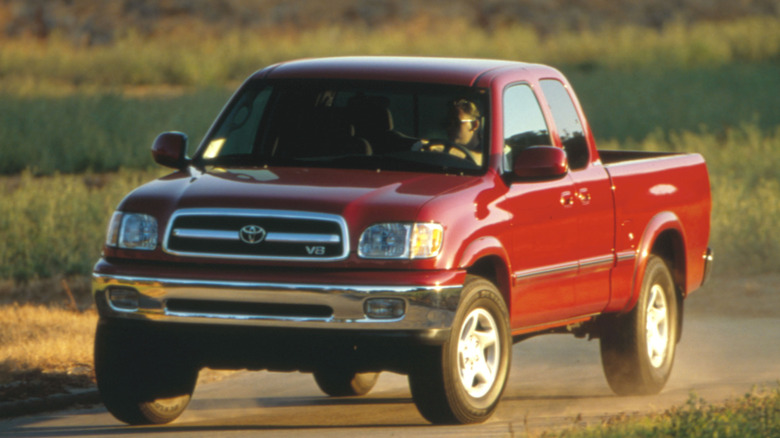
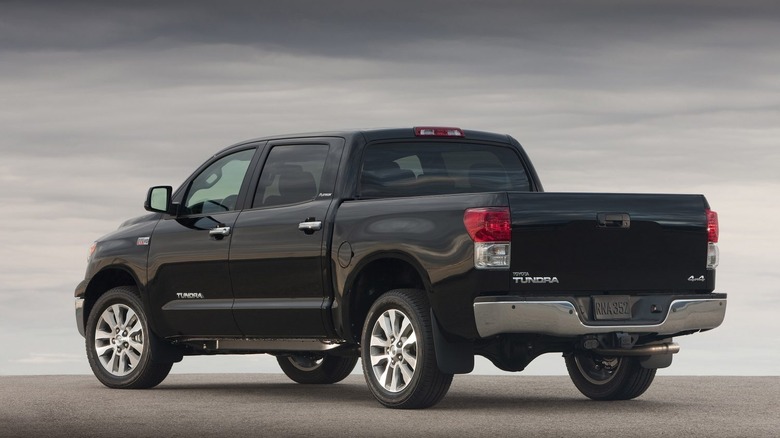
When Toyota launched the first-generation Tundra, it was meant to be the "Goldilocks" of trucks—larger than the aging T100 but more manageable than a domestic heavy-duty pickup. Under the hood, the 4.7L V8 was a masterpiece of engineering, derived from Lexus luxury DNA. However, the first-generation story is often overshadowed by the First Year Curse of the 2000 models and a structural Achilles' heel that has sent many of these trucks to the scrapyard prematurely.
The primary concern for any used Toyota Tundra from this era is the integrity of the chassis. During the 2000-2004 period, the frames were prone to excessive corrosion because of inadequate weatherproofing treatments from the factory. While the engine might still purr like new at 250,000 miles, the chassis structural integrity can be compromised to the point of being a safety hazard. This is particularly prevalent in the "Rust Belt" states where road salt accelerates the rot from the inside out.
If you are looking at a 2005 or 2006 model, you are entering a safer zone. These years benefited from a power bump and a five-speed automatic transmission, but the pre-purchase inspection remains the most important step in the process. You aren't just looking for surface rust; you are looking for soft spots near the rear leaf spring mounts and the front crossmembers. A truck with a clean frame from this era is a rare find and often commands a premium because of its drivetrain longevity.
Second Generation (2007-2021): The V8 Golden Era
The 2007 redesign turned the Tundra into a true full-size competitor, introducing the muscular 5.7L i-Force engine that would define the brand for over a decade. This era is widely hailed as the golden age of the platform. The sheer mechanical simplicity of the naturally aspirated V8 powertrain allowed it to endure stresses that would cripple other trucks. It is the era that produced the famous "Million Mile Tundra," proving that the core components are over-engineered for durability.
However, even the legendary 5.7L has its quirks. Buyers should be aware of Used Tundra common problems like the secondary air injection pump failure. This system, designed to reduce emissions on cold starts, can ingest moisture or debris, leading to a limp mode that is frustrating to resolve. A replacement can cost upwards of $1,500 to $2,000 at a dealership, though aftermarket bypass kits have become a popular and much more affordable $400 fix for those in states without strict smog testing.
The 2018-2021 window is often cited as the best engine for a used toyota tundra for reliability. By this point, Toyota had ironed out the early teething issues. However, an important nuance occurred in 2019: the removal of the dedicated transmission oil cooler. While Toyota claimed the engine's coolant-based heat exchanger was sufficient, many enthusiasts who use their trucks for heavy towing have noted higher temperatures. If you plan on hauling a heavy trailer through the mountains, a 2018 model—or adding an aftermarket cooler to a 2019+ unit—is a wise move.
| Model Year Range | Verdict | Key Takeaway |
|---|---|---|
| 2000-2004 | Avoid | Severe Tundra frame rust years; safety risk. |
| 2005-2006 | Good | Improved V8 power; still need to check for rust. |
| 2007-2013 | Reliable | Million-mile potential; watch for air pump failure. |
| 2014-2017 | Great | Restyled interior; very stable mechanicals. |
| 2018-2021 | Best | The sweet spot; standard safety tech and peak V8. |
| 2022-Present | Risky | Twin-turbo V6 engine and transmission growing pains. |
Third Generation (2022-Present): Modernity vs. Risk
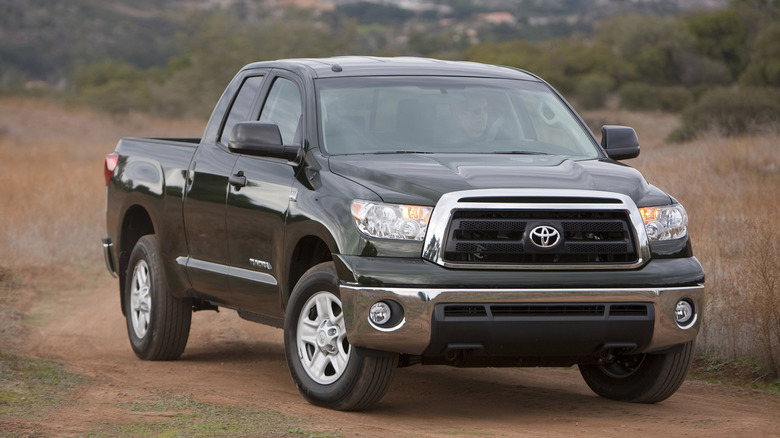
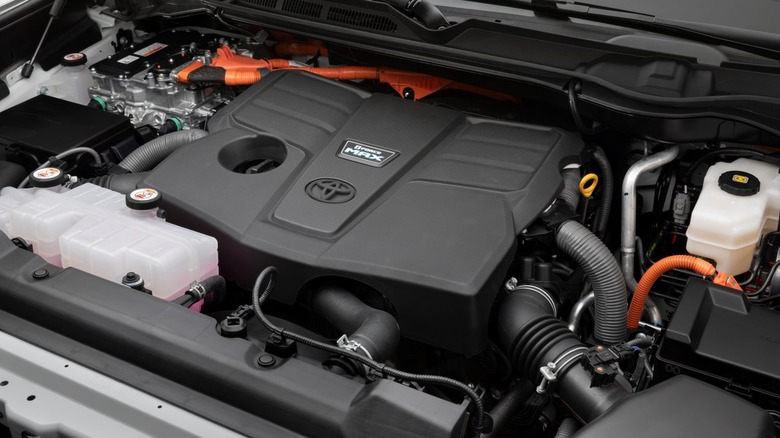
In 2022, Toyota retired the V8 in favor of a 3.4L Twin-Turbo V6, aiming for better fuel efficiency and higher torque delivery. While the power figures are impressive, the transition has not been without significant hurdles. The 3rd generation toyota tundra engine failure issues have dominated headlines, particularly for the 2022 and 2023 model years. A major recall was issued for approximately 127,000 units due to machining debris left inside the engine during manufacturing, which could cause the main bearings to seize.
Beyond the engine, the new 10-speed transmission has faced some criticism. Some owners have reported toyota tundra transmission cooling problems by year or jerky shifts, specifically addressed by TSB T-SB-0111-22. This technical service bulletin suggests a software recalibration to handle hesitation when accelerating from a stop. While the i-Force MAX hybrid variant offers incredible torque, the added complexity of the hybrid battery and electric motor adds another layer of long-term maintenance considerations.
If you are set on a third-gen used Toyota Tundra, it is vital to check the vehicle's service history for completed recalls. The 2024 models appear to have better quality control, but for the risk-averse buyer, the previous generation’s V8 remains the safer bet for long-term ownership.
The Pre-Purchase Inspection (PPI) Checklist
When you find a used Toyota Tundra that looks promising, don't let the Toyota badge blind you to potential maintenance neglect. Even a bulletproof truck can be ruined by a previous owner who skipped oil changes. A used Toyota Tundra with 200,000 miles can be a fantastic deal, but only if the paper trail supports it.
Use the following checklist to evaluate your potential purchase:
- The Hammer Test: Bring a small mallet or screwdriver and gently tap along the frame rails of any 2000-2006 model. If it sounds hollow or flakes away, walk away.
- Cold Start Observation: Listen for a loud vacuum-like whistling sound upon a cold start. This is one of the classic symptoms of toyota tundra secondary air injection pump failure.
- Fluids and Leaks: Check for the "valley plate leak" on the 5.7L V8. Look deep into the "V" of the engine under the intake manifold for signs of pink crusty residue, which indicates a slow coolant leak.
- Transmission Behavior: During the test drive, pay attention to the shift from 1st to 2nd gear. Any significant "shudder" or "hunting" for gears could indicate worn fluid or, in newer models, a need for a software update.
- Interior Wear: Check the driver’s seat base plastic trim. It is notorious for cracking on high-mileage units. While cosmetic, it can be a bargaining chip.
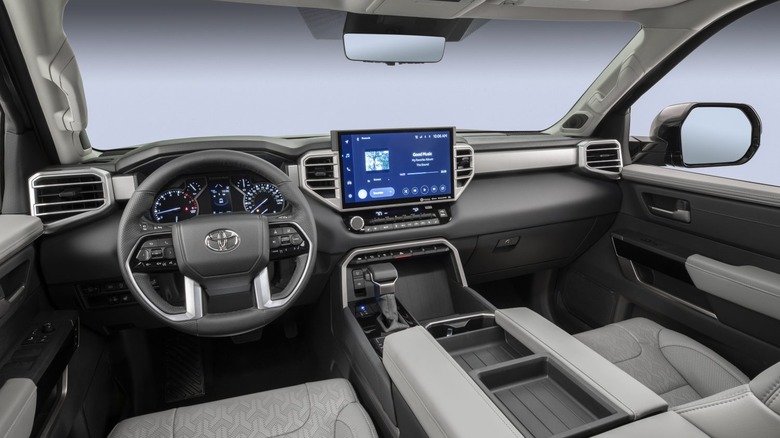
- Infotainment Health: On 2014-2019 models, check for screen "ghosting" or freezing, as the Entune systems from this era were prone to hardware failure.
- Scan for Codes: Use an OBD-II scanner to look for "pending" codes, specifically those related to turbo boost on the newer V6 models.
Checking toyota tundra recall history before buying is also non-negotiable. You can enter the VIN on the NHTSA website to ensure that power steering racks, fuel pumps, and engine components have been addressed. While the Tundra is built for the long haul, common problems with used high mileage toyota tundra models usually stem from deferred cooling system maintenance or neglected differential fluids.
FAQ
What are the best years to buy a used Toyota Tundra?
The 2018-2021 model years are widely considered the best choice. These years feature the perfected version of the 5.7L V8 engine, improved LED lighting, and the Toyota Safety Sense P suite as standard. If you want the modern convenience of Apple CarPlay, focus specifically on 2020 and 2021 models.
Is a used Toyota Tundra a reliable truck?
Yes, the Tundra consistently ranks at the top of its class for reliability. With an annual maintenance cost that is 35 percent lower than the industry average, it is designed for owners who want to avoid the frequent shop visits common with other full-size pickups.
Which Toyota Tundra years should you avoid?
You should exercise extreme caution with 2000-2004 models due to well-documented frame corrosion issues. Additionally, the 2022 model year should be approached with care as it was the first year of the new twin-turbo V6, which has been subject to major engine-related recalls.
How many miles can a Toyota Tundra last?
A well-maintained Tundra can easily exceed 200,000 miles, and it is not uncommon to see them reach 300,000 or even 400,000 miles on the original powertrain. Toyota’s focus on under-stressed engines and high-quality cooling components allows these trucks to significantly outlast many of their competitors.
Is it worth buying a used Toyota Tundra with over 100,000 miles?
In the world of Tundras, 100,000 miles is often considered "just broken in." As long as the maintenance records show consistent oil changes and the frame is free of structural rust, a 100k-mile Tundra is typically a very reliable vehicle that still has more than half of its life ahead of it.
What common problems do used Toyota Tundras have?
The most frequent issues include frame rust on early models, secondary air injection pump failure on 2007-2013 models, and the "pink milkshake" transmission cooling issue on very early first-generation trucks. Newer models have dealt with infotainment glitches and initial V6 manufacturing debris recalls.