Quick Facts
- Signal Type: 3.5mm delivers an analog signal while USB-C functions as a digital transport.
- DAC Location: 3.5mm relies on the device's internal circuitry; USB-C allows for a superior external portable dac/amp.
- Audio Resolution: USB-C supports high resolution lossless audio up to 192kHz/24-bit, far exceeding standard CD quality.
- Interference: USB-C reduces electromagnetic interference by moving the audio processing away from internal phone components.
- Headphone Drive: USB-C allows for dedicated amplification to properly power high impedance headphones.
- Market Growth: The audiophile wired headphones market is valued between $1.5 billion and $3.2 billion, driven by a massive resurgence in wired fidelity.
The choice between a 3.5mm jack and a USB-C port is more than just a matter of convenience; it’s a choice between an analog-limited signal and a high-fidelity digital path. While the 3.5mm jack is a 'closed system' subject to internal noise, USB-C offers a modular gateway to superior sound quality. The primary difference in the USB-C vs 3.5mm debate is where conversion happens: 3.5mm relies on internal circuitry, while USB-C enables high-fidelity external processing.
Analog vs. Digital: Understanding the Core Difference
When we talk about audio ports, we are really talking about the point of transition. Every digital file on your phone—whether it is a Spotify stream or a local FLAC file—must be converted into an electrical wave to move the diaphragms in your headphones. This is the job of the Digital-to-Analog Converter, or DAC. In a traditional 3.5mm setup, this conversion happens inside your smartphone or laptop. The port outputs an analog signal that has already been processed by the device's internal hardware.
Think of the 3.5mm jack as a closed system. You are essentially locked into whatever components the manufacturer decided to squeeze onto the motherboard. If the internal DAC is mediocre, your sound will be mediocre, regardless of how expensive your headphones are. This highlights the fundamental differences between analog and digital audio output for headphones. With an analog port, you are at the mercy of the host device's engineering priorities, which rarely put audio fidelity at the top of the list.
USB-C, however, changes the architectural map of your audio path. It serves as a digital transport layer, sending the raw data bits out of the device before any conversion takes place. This allows you to offload the critical processing to external hardware. By moving the heavy lifting outside of the noisy environment of a smartphone, you can achieve a much higher digital vs analog audio quality.
| Feature | Internal DAC (3.5mm) | External DAC (USB-C) |
|---|---|---|
| Sampling Rate | Usually capped at 48kHz | Up to 768kHz or DSD512 |
| Noise Floor | Higher due to EMI | Significantly lower |
| Portability | High (Integrated) | Low to Medium (Requires dongle/unit) |
| Output Power | Limited (Millivolts) | High (Supports high impedance) |
The Problem with Internal DACs in Smartphones
To understand why USB-C audio advantages are so significant, we have to look at the cramped real estate inside a modern smartphone. Manufacturers are obsessed with making devices thinner, packing in larger batteries, and adding complex camera arrays. In this environment, the audio chip is often an afterthought.
The proximity to cellular antennas, Wi-Fi radios, and high-speed processors creates a storm of electromagnetic interference. Because the 3.5mm jack is carrying an analog signal, it is incredibly sensitive to this noise. If you have ever heard a faint hiss or a series of rhythmic clicks when your phone is searching for a signal, you are hearing the noise floor reduction limitations of an internal system.
Manufacturers ultimately began removing the 3.5mm jack not just to sell wireless earbuds, but because the physical jack takes up a massive amount of PCB space. By shifting to USB-C, they reclaimed that space and improved IP-rated water resistance. For the casual listener, this was an inconvenience; for the audiophile, it was actually a hidden opportunity to bypass phone internal DAC using USB-C and seek out better external solutions.
Why Audiophiles Prefer USB-C: The External Path
For those of us focused on critical listening, the shift to USB-C has been a blessing in disguise. It allows the audio signal to stay in the digital domain until it reaches a dedicated environment designed specifically for sound. When you use a high-quality portable dac/amp, you are effectively replacing the budget-tier audio components of your phone with professional-grade hardware.
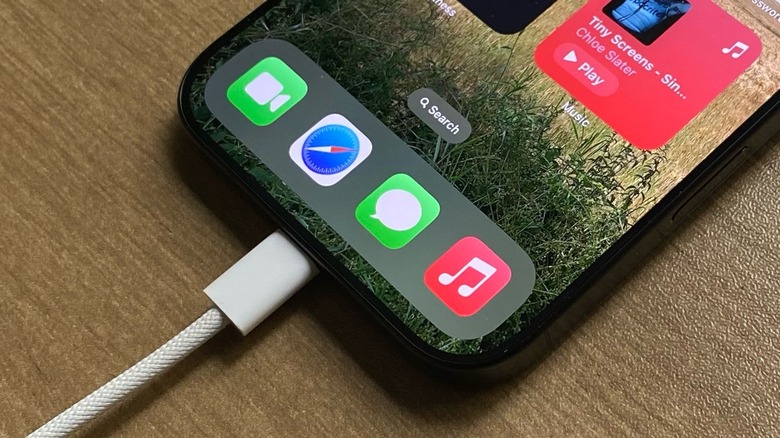
One of the greatest external DAC benefits is signal isolation. By keeping the DAC and the headphone amplifier in a separate chassis, you physically distance the audio path from the electrical noise of the phone’s processor. This results in a much higher signal-to-noise ratio and a noticeably blacker background. When the silence between notes is truly silent, the soundstage depth and instrumental separation become much more vivid.
Furthermore, USB-C enables bit-perfect playback. Most Android and Windows devices tend to resample audio to a fixed rate (often 48kHz) using their internal software mixers. This can introduce artifacts and degrade the original recording. Using a USB-C connection with a specialized app allows you to bypass these software layers, sending the original stream directly to your external DAC. This ensures that a 192kHz file is actually processed at 192kHz, rather than being downsampled by an inferior operating system driver.
For those using serious gear like the Chord Mojo 2 or the iFi Hip-dac, the USB-C connection is the only way to ensure the hardware is receiving a clean, unaltered stream. This modularity means you can upgrade your sound by simply buying a better DAC, rather than having to buy a whole new phone or laptop.
High-Res Audio: Is it Audible?
We often hear the terms "Hi-Res" and "Lossless" thrown around, but what do they actually mean for your ears? Standard CD quality is 16-bit/44.1kHz. However, high-resolution audio typically utilize a 24-bit depth and sample rates up to 192kHz, which captures much more nuance and dynamic range.
If you are listening to flac files or Tidal Master tracks, a standard 3.5mm jack often cannot handle the full bandwidth of that data. The internal components may technically play the file, but they lack the resolution to reveal the micro-details in the recording. This is where USB-C vs 3.5mm for high resolution lossless audio becomes a clear win for the digital port.
"High-resolution audio is about more than just the numbers on a spec sheet. It's about the air around the instruments, the texture of a cello bow, and the subtle decay of a cymbal strike that a standard jack often masks."
Another critical factor is driving power. Many of the world’s best headphones are high-impedance models, meaning they require more voltage to reach a proper volume and maintain control over the driver. Most 3.5mm jacks on phones provide very little power, leading to a sound that feels thin, recessed, and lacking in bass impact. When asking is USB-C audio better for high impedance headphones, the answer is a resounding yes—provided you use that USB-C port to connect a powerful amplifier. The digital connection provides the path; the external amp provides the muscle.
Practical Reality: Adapters and Everyday Use
Most users encounter USB-C audio through the ubiquitous "dongle." However, not all dongles are created equal. In a USB-C to 3.5mm adapter sound quality comparison, you have to distinguish between active and passive adapters.
A passive adapter is simply a wire that reroutes an analog signal already created by the phone. These are rare and only work with a few specific devices. Most modern adapters are active, meaning they actually contain a tiny DAC chip inside the USB-C plug itself. Even the basic $9 Apple or Samsung dongles are technically external DACs.
While these cheap dongles are surprisingly good for the price, they still face the same size constraints as internal chips. They are fine for a commute, but they won't satisfy a listener looking for the benefits of using an external DAC with USB-C in a serious capacity. For those who want a middle ground, "dongle DACs" like the AudioQuest DragonFly or the Luxury & Precision W2 offer a significant jump in fidelity while remaining pocketable.
FAQ
Is USB-C audio better quality than 3.5mm?
Yes, in most technical scenarios. While the port itself is just a connector, USB-C allows you to use external Digital-to-Analog Converters that far outperform the cheap internal chips found in smartphones. This leads to better resolution, less noise, and more power for your headphones.
What are the advantages of using USB-C for audio?
The main advantages include the ability to bypass the low-quality internal audio hardware of your device, support for higher sampling rates and bit depths, and the ability to use more powerful external amplifiers. It also provides a cleaner signal by moving sensitive audio components away from the phone's internal electromagnetic interference.
Why did phones stop using the 3.5mm headphone jack?
Manufacturers removed the 3.5mm jack primarily to save space inside the device for bigger batteries and better cameras, and to make it easier to seal the phone for water resistance. It also encouraged the industry-wide shift toward wireless Bluetooth headphones and higher-margin accessories.
Does a USB-C to 3.5mm adapter affect sound quality?
Yes, it does. Since the adapter contains its own DAC chip, the quality of that chip determines the sound you hear. A cheap, unbranded adapter may sound worse than a built-in jack, while a high-quality "audiophile" dongle can actually improve the sound compared to the original 3.5mm jack on older phones.
Is there more lag with USB-C headphones?
Generally, no. Because USB-C is a wired connection, it does not suffer from the significant latency or lag issues associated with Bluetooth. It is perfectly suitable for gaming and professional video editing where lip-sync accuracy is essential.
The Final Verdict for Your Setup
If you are a casual listener who primarily uses Spotify on the bus, the 3.5mm jack (or a basic dongle) is perfectly adequate. It is convenient, reliable, and "good enough" for compressed audio. However, for those of us who treat music as an experience rather than background noise, the transition to USB-C has opened up a new world of possibilities.
By embracing USB-C, you are no longer limited by the hardware choices of a phone manufacturer. You can curate your own signal path, choosing the specific DAC and amplifier that best match your headphones. For the best results, I recommend choosing the right DAC for USB-C audio setups that matches your lifestyle—whether that’s a tiny dongle for the gym or a desktop-class portable unit for long flights.
The era of the universal 3.5mm jack might be fading, but the era of high-fidelity mobile audio is just beginning. By using the digital output of your device, you are ensuring that every bit of detail in your music makes it to your ears exactly as the artist intended. In the battle of USB-C vs 3.5mm, the digital path is the clear winner for anyone serious about their sound.