Quick Facts
- Top Budget Pick: Dual pack faraday pouches for multiple cars ($10-$15).
- Effectiveness: High-quality shielding blocks 100% of signals with 60-70 dB attenuation.
- Theft Speed: Professional relay attacks can be completed in under 60 seconds.
- Life Span: Internal conductive fabric lining usually remains effective for 1-3 years of daily use.
- Physical Deterrent: Basic steering wheel locks for keyless cars add critical minutes to a breach time.
- Core Recommendation: Best car security upgrades under 20 dollars center on keyless entry signal blockers that utilize Faraday cages.
Relay theft prevention doesn't have to be expensive; the most effective security upgrade for under $20 is a Faraday pouch with conductive fabric lining. By using electromagnetic shielding, these devices block the signal amplification attacks used by 94% of modern car thieves. This guide explores the best budget upgrades to protect your Ford, Toyota, or luxury vehicle overnight.
Understanding the 60-Second Threat
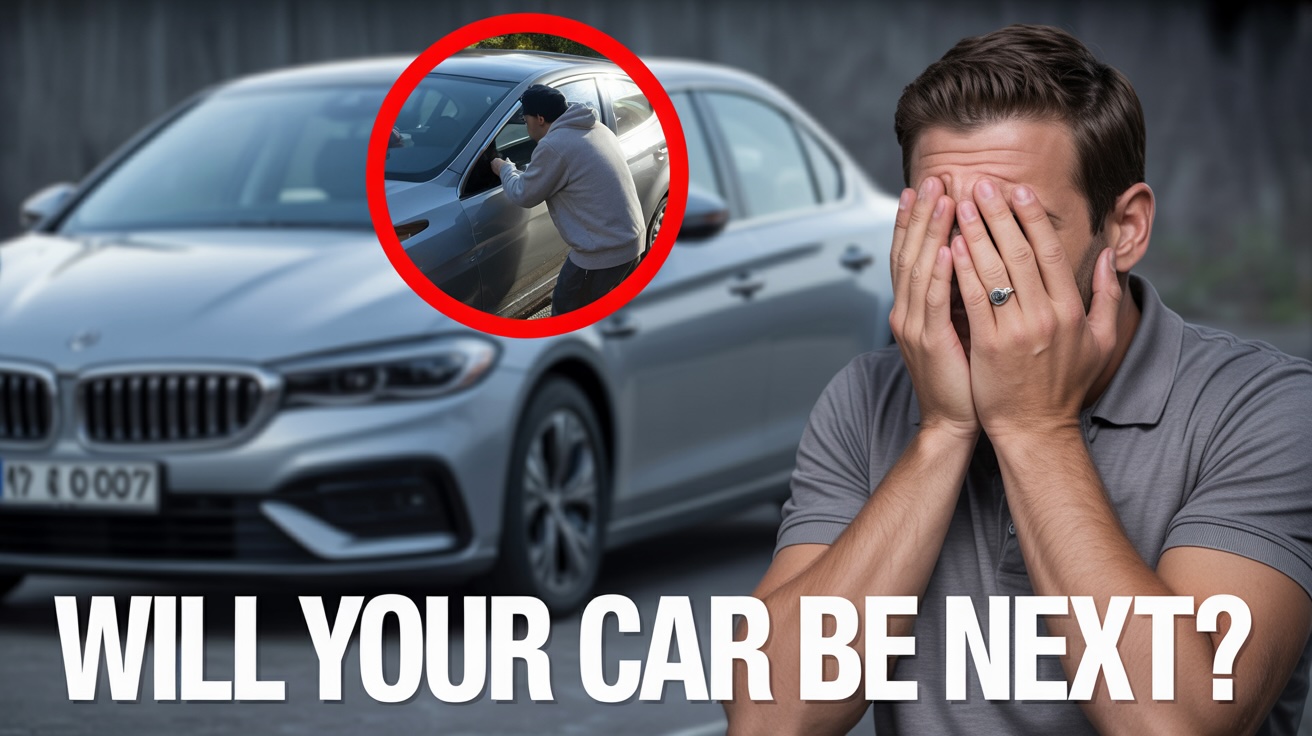
Modern convenience has created a significant proximity sensor vulnerability that criminals are exploiting at an industrial scale. When you walk toward your car with a keyless fob, the vehicle sends out a low-frequency radio signal. Your key receives this and replies with a higher frequency signal to unlock the doors. Relay theft occurs when criminals use electronic devices to capture and extend the signal from a keyless entry fob, allowing them to unlock and start a car while the keys remain inside a home.
The hardware used for these attacks is surprisingly simple. One thief stands near your car with a transmitter, while another stands near your front door or window with an amplifier. This amplifier picks up the signal from your keys—even through thick walls—and beams it to the transmitter by the car. The car thinks the owner is standing right there. According to recent data, 94% of the cars recovered by the vehicle recovery firm Tracker in 2023 were stolen via keyless methods. This staggering statistic proves that traditional car security is no longer enough.
Speed is the primary advantage for the criminal. Security experts report that a relay attack can allow thieves to unlock and start a keyless vehicle in under 60 seconds without causing any physical damage to the car. This silent breach makes driveway security more important than ever. If you own a popular model, focusing on preventing relay theft on ford and toyota cars is a smart move, as these brands are frequently targeted due to their high resale value and common keyless systems.
The Best Faraday Pouches for Car Keys
The most efficient way to achieve relay theft prevention is to house your keys in a dedicated keyless entry signal blocker. A Faraday pouch for car keys is essentially a small, portable cage made of conductive material that creates a barrier against radio frequency interference. For less than $20, you can usually find a dual pack faraday pouches for multiple cars, which is perfect for households with a primary vehicle and a spare set of keys.
When shopping for these pouches, the secret is in the conductive fabric lining. Most high-quality budget options use a blend of nickel and copper to ensure maximum signal attenuation. You want a pouch that offers at least a 60 to 70 dB attenuation rating. This means the pouch is capable of reducing the signal strength by a factor of millions, making it impossible for a thief's amplifier to "hear" the key fob inside. Be careful not to confuse these with simple RFID blocking sleeves used for credit cards; car keys operate on different frequencies and require more robust RF shielding efficiency.
| Security Feature | Budget Faraday Pouch | RFID Credit Card Sleeve | DIY Metal Tin |
|---|---|---|---|
| Typical Price | $10 - $15 (Dual Pack) | $5 - $8 | $0 (Recycled) |
| Signal Attenuation | 60 - 70 dB | 20 - 30 dB | 10 - 40 dB (Variable) |
| Primary Use | Keyless Car Fobs | Identity Theft | Stationary Home Storage |
| Portability | High | High | Low |
While the Faraday pouch is the gold standard for portable protection, you should also look for products that have undergone ADAC security testing or carry a Secured by Design certification. These endorsements mean the product has been verified to withstand the common frequencies used by thieves.
Physical Deterrents: Steering Wheel Locks Under $20
While electronic security is the priority, we cannot ignore the power of visual deterrents. A thief looking for an easy 60-second getaway will often skip a car if they see a physical barrier through the window. Even if they manage a signal amplification attack, a steering wheel lock presents a massive secondary obstacle.
Finding the best steering wheel locks for keyless cars under a strict $20 budget can be a challenge, but basic "bar" style locks are often available at this price point. These are not as indestructible as premium $100 covers, but they serve a vital purpose: they force the thief to use noisy, time-consuming power tools. Adding even 120 seconds to a breach time is often enough to make a criminal move on to a softer target.
When using steering wheel locks for keyless cars, the goal is to break the "silent" nature of the relay attack. If the thief realizes they can start the engine but can't steer the car without grinding through steel, the risk of being caught skyrockets. It is a low-tech solution that complements your high-tech Faraday pouch perfectly.
How to Protect Your Car Overnight: Home Storage
The majority of relay thefts occur in the dead of night while the car is parked on a driveway. Thieves know that most people leave their keys on a hook near the front door or on a hallway table. This proximity to the exterior of the house makes the signal easy to grab. If you want to master how to protect cars from relay theft overnight, you need to rethink your home storage habits.
First, move your keys. Keeping your fobs at a safe distance from front doors and windows—ideally in the center of the house or upstairs—significantly reduces the chance of a successful signal interception. However, even distance isn't foolproof if the thieves are using high-powered antennas.
For home use, many drivers prefer a Faraday box over a pouch. While a dedicated box might push the $20 limit, a simple DIY solution involves using a clean, dry metal tin (like an old biscuit or tobacco tin). Metal containers provide a natural form of electromagnetic shielding. However, testing is mandatory here. Not all tins are created equal; gaps in the lid can allow signals to leak out, which is why a dedicated keyless entry signal blocker pouch placed inside a drawer is often more reliable.
Maintenance: How to Test Your Pouch
The conductive fabric lining inside a Faraday pouch is a delicate material. Over time, as you slide your keys in and out, the nickel and copper threads can fray or degrade. If the lining develops even a tiny tear, the pouch's RF shielding efficiency drops significantly. To ensure you maintain your relay theft prevention, you should perform a "verification loop" test every month.
- Place your key fob inside the Faraday pouch and ensure it is fully sealed or folded over according to the manufacturer's instructions.
- Walk up to your vehicle and stand directly next to the driver-side door.
- Attempt to open the door using the handle or the proximity sensor.
- If the door remains locked, the pouch is successfully attenuating the signal.
- As a second check, try to start the ignition while the key is still sealed in the pouch inside the cabin.
If the vehicle recognizes the key at any point during this test, it is time to replace the pouch. Because these are among the best car security upgrades under 20 dollars, it is worth buying a new dual-pack every 18 months to ensure your protection remains absolute.
FAQ
What is relay car theft and how does it work?
Relay theft is a method where two criminals use electronic signal amplifiers and transmitters to trick a car into thinking the key fob is nearby. One thief stands by the house to capture the key's signal, and the other stands by the car to receive it, allowing them to unlock and drive away in seconds without the physical key.
Do signal blocking Faraday pouches really work?
Yes, high-quality Faraday pouches use layers of conductive metallic fabric to create a shield that prevents radio waves from entering or leaving. When the key is inside a sealed pouch, the car cannot detect its presence, effectively neutralizing the threat of a relay attack.
How far can thieves pick up a car key signal?
Standard key fobs usually have a range of about 5 to 20 feet for keyless entry. However, with professional-grade power amplifiers and high-gain antennas, thieves can intercept and extend that signal from over 300 feet away, even through the walls of your home.
Where is the safest place to store car keys at home?
The safest place is inside a Faraday pouch or box located at the center of your home, far away from any exterior walls, doors, or windows. Avoid leaving keys in the hallway or near the front of the house where signal interception is most likely to occur.
Can you turn off keyless entry to stop relay attacks?
Yes, many modern vehicle manufacturers allow owners to disable the keyless entry or "proximity" feature through the car's infotainment settings menu. If your car doesn't have a user-accessible setting, a dealership can often perform a software update to deactivate it, forcing the use of physical buttons on the fob.
Investing just $15 into a dual-pack of pouches today can save you from the massive headache of insurance claims and the loss of your vehicle. It is a small price to pay for total peace of mind.