Our Top Picks
The Nikon Zr is the best budget cinema camera of 2026, offering 6K 60p REDCODE RAW and 32-bit float audio for under $2,200. It serves as the ultimate entry-point for RED color science, providing professional-grade internal recording in a compact, weather-sealed body that fits perfectly into modern indie film production.
The Nikon Zr cinema camera has officially disrupted the market. By integrating REDCODE RAW recording and world-first internal 32-bit float audio into a body priced at $2,199, it stands as the most affordable 6K cinema camera for serious filmmakers. This hybrid video-first design provides an unprecedented entry point for those who need high-end imaging without the high-end price tag.
RED DNA: Internal 6K REDCODE RAW for the Masses
For years, the dream of internal RAW video recording was reserved for high-end cinema rigs or those willing to deal with external recorders and cumbersome cabling. The Nikon Zr changes that narrative completely. Following Nikon's acquisition of RED, the Zr is the first budget-friendly manifestation of that partnership. The Nikon ZR supports internal 6K video recording at up to 60p using the RED-developed R3D NE RAW codec, a professional feature introduced at a competitive price point.
This integration means that indie film production teams can now access the famous IPP2 color science. When you bring footage from the Nikon Zr into your NLE post-production workflow, it feels identical to working with files from a V-RAPTOR or KOMODO. This makes the Zr a perfect B-cam for RED systems. You are no longer trying to match different manufacturers' color science in the grade; instead, you are working with the same flexible RAW metadata that allows for extensive recovery of highlights and shadows.
The ability to shoot 6K workflow projects on a camera this small is transformative. It allows for reframing in post-production for vertical social media delivery without sacrificing 4K resolution quality. For filmmakers, this isn't just a spec bump; it is an evolution in how we capture and process light.
Industry First: 32-Bit Float Internal Audio Explained
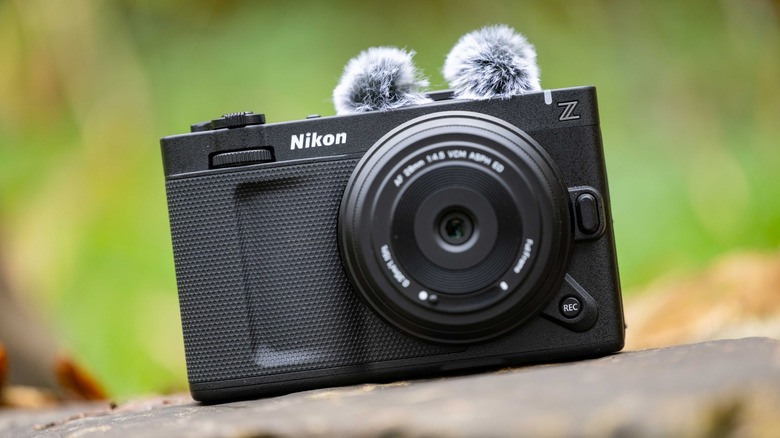
While high-resolution video often steals the headlines, the most significant technical leap in this Nikon Zr cinema camera review for budget filmmakers might actually be the audio. At its launch in late 2025, the Nikon ZR became the world's first mirrorless-style cinema camera to offer internal 32-bit float audio recording for both built-in and external microphones.
If you have ever been on a solo shoot where the talent suddenly shouted or a car horn ruined a take by clipping the audio, you understand the pain of digital distortion. Standard 16-bit or 24-bit audio has a ceiling; once you hit 0dB, the information is lost. However, the Nikon Zr 32-bit float internal audio benefits include a massive dynamic range that essentially eliminates the need to set gain levels perfectly.
For solo content creators, this means you can focus on the composition and focus while the camera captures every nuance of sound, from a whisper to a scream, without clipping. You simply adjust the "gain" in post-production, much like adjusting exposure on a RAW photo. While this doesn't replace the need for high-quality microphones, it removes the stress of digital clipping from the equation entirely.
Lab Performance: Sensor Speed and Dynamic Range
Behind the fancy codecs and audio tech lies a very capable full-frame sensor performance. The Nikon Zr utilizes a sensor with a 9.4ms rolling shutter speed, which is remarkably fast for a non-stacked sensor in this price range. This minimizes the "jello effect" during fast pans or when shooting handheld, making it a reliable tool for action and documentary work.
The camera features a Dual-base ISO of 800 and 6400, providing clean images even in challenging lighting conditions. In our testing, we found the sensor delivers roughly 10.2 stops of dynamic range at a Signal-to-Noise Ratio of 2. While specialized cinema sensors might push higher, the Nikon Zr manages highlight roll-off beautifully, thanks largely to the RED processing pipeline.
Monitoring this performance is a joy due to the hardware. The Nikon ZR features a 4.0-inch articulating touchscreen with a peak brightness of 1,000 nits, which is significantly larger and brighter than the 3.2-inch displays found on standard Nikon Z-series hybrid cameras. This screen is a game-changer for outdoor shooting, allowing you to judge exposure accurately without a sun hood.
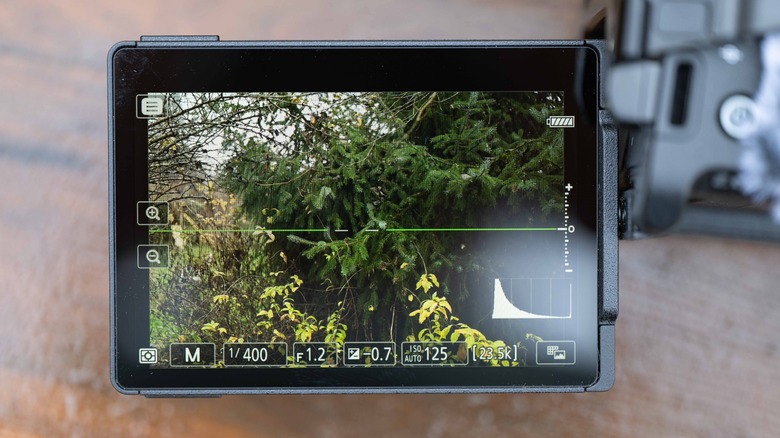
Reality Check: The Compromises of a $2,199 Cinema Camera
No camera is perfect, especially when it is aggressively priced to undercut the competition. To reach the $2,199 price point, Nikon had to make specific hardware choices. The most notable point of contention is the use of a Micro-HDMI port. For a camera aimed at professional sets, the fragility of Micro-HDMI is a concern.
Additionally, while the camera uses CFExpress Type-B storage for its heavy RAW data, it also includes a MicroSD slot. This secondary slot is essentially useless for the high-bitrate REDCODE RAW modes, serving more as a backup for proxy recording or lower-quality internal codecs.
| Feature | Performance/Detail |
|---|---|
| Pros | Internal 6K REDCODE RAW, 32-bit float audio, 1000-nit screen, incredible price |
| Cons | Micro-HDMI port, MicroSD secondary slot, crop factor in 4K 120p |
| Best Use | Indie films, B-cam for RED, high-end YouTube, documentary |
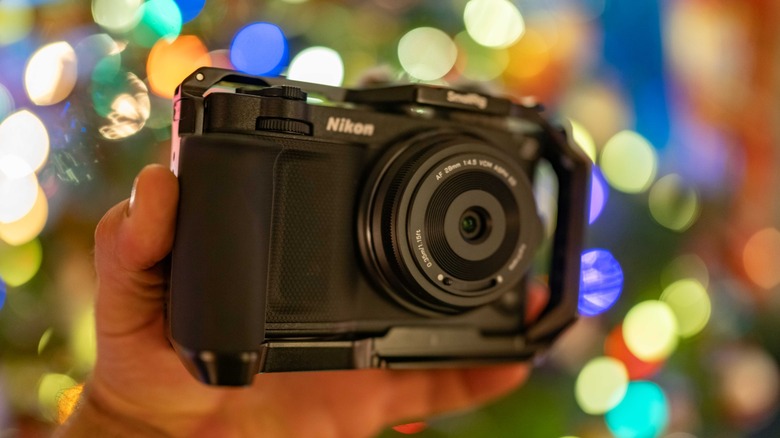
To mitigate these budget 6K camera limitations, I highly recommend adding a professional cage. A cage with a built-in HDMI cable clamp is an essential upgrade that prevents port damage and ensures a stable connection to external monitors or wireless transmitters.
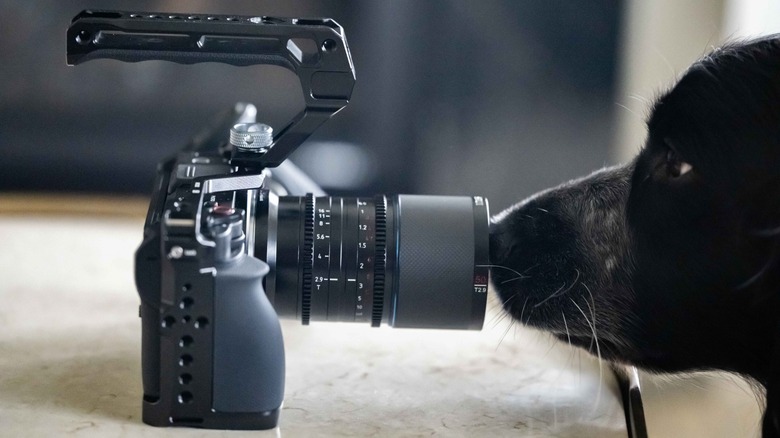
Comparison: Nikon Zr vs Sony FX3
The inevitable question for many videographers is how the Zr stacks up against the industry-standard Sony FX3. While the FX3 has a proven track record and a built-in fan for unlimited recording, the Nikon Zr vs Sony FX3 price and features comparison reveals a surprising shift in value.
| Specification | Nikon Zr | Sony FX3 |
|---|---|---|
| Price (MSRP) | $2,199 | $3,899 |
| Max Resolution | 6K (Open Gate) | 4.2K (Output only) |
| Internal RAW | Yes (REDCODE RAW) | No (External only) |
| Internal Audio | 32-bit Float | 24-bit |
| Screen Size | 4.0-inch (1000 nits) | 3.0-inch (standard) |
The Sony FX3 is nearly $1,700 more expensive, yet it lacks internal RAW and the 32-bit float audio found in the Nikon. While the Sony ecosystem has more dedicated "video" lenses with power zoom, the Nikon Zr offers several advantages at a significantly lower price. For filmmakers who prioritize image flexibility and audio reliability over the Sony E-mount's maturity, the Zr is the clear budget winner. It even includes features like anamorphic de-squeeze in-camera, something that took Sony years to implement via firmware.
The Budget Cinema Kit: Lenses and Accessories
Building a kit around the Nikon Zr is easier now than ever thanks to the expanding Z-mount lens ecosystem. For those on an extreme budget, the Viltrox 28mm f4.5 is a surprisingly sharp and compact option for wide-angle storytelling. However, to truly leverage that 6K sensor, you should look toward the Nikon Z 35mm or 50mm f1.8 S-line primes. These lenses offer clinical sharpness and minimal focus breathing, which is vital for cinema work.
The Z-mount also has a short flange distance, making it incredibly easy to adapt vintage glass. Many indie filmmakers prefer the character of old Canon FD or Helios lenses, and they fit perfectly on the Zr with a simple adapter.
For handheld gimbal balance, the Zr's relatively light weight is a benefit. It sits comfortably on mid-sized gimbals like the DJI RS4 without needing heavy counterweights. When you combine the internal 7.5-stop IBIS with a stabilized lens, you can achieve incredibly smooth walking shots that previously required a dedicated rig.
FAQ
Is Nikon coming out with a dedicated cinema camera?
Nikon has effectively entered the dedicated cinema market with the Zr, which bridges the gap between their mirrorless Z-series and professional cinema systems. While it retains a mirrorless form factor, its internal software, codecs, and audio capabilities are designed specifically for filmmakers rather than photographers.
Will Nikon use RED technology in future cameras?
Yes, the Nikon Zr is the first of many expected collaborations. The integration of REDCODE RAW and IPP2 color science into the Zr confirms that Nikon intends to utilize RED technology to capture a larger share of the professional video market across its entire lineup.
Does Nikon offer internal RAW video recording?
The Nikon Zr offers internal REDCODE RAW recording at up to 6K 60p. This is a significant advancement as it allows filmmakers to capture high-quality, high-bitrate RAW data directly to CFExpress Type-B cards without the need for an external recorder like an Atomos Ninja.
What lenses are best for shooting cinema on a Nikon Z mount?
For professional results, the Nikon S-Line primes (24mm, 35mm, 50mm, 85mm f1.8) are excellent due to their sharpness and suppressed focus breathing. Additionally, many filmmakers use the FTZ adapter to mount PL-mount cinema lenses or affordable Z-mount options from third-party manufacturers like Viltrox and Sirui for anamorphic looks.
What is the difference between Nikon Z cameras and RED digital cinema cameras?
RED cameras are modular, high-end cinema tools designed for large-scale productions with features like global shutters and specialized cooling. The Nikon Zr is a hybrid-style camera that brings the color science and raw recording power of a RED system into a more affordable, compact, and autofocus-capable body suitable for solo creators and indie filmmakers.