Quick Facts
- Primary Choice: LXT 18V is the recommended platform for general DIY, home maintenance, and precision woodworking.
- High-Power Choice: XGT 40V Max is built for professional-grade masonry, heavy demolition, and high-demand construction.
- Ecosystem Size: The LXT platform features 350+ tools, while the XGT system is rapidly growing with 125+ specialized products.
- Battery Tech: LXT relies on 18650 lithium cells for a better power-to-weight ratio, whereas XGT uses 21700 battery cells for higher output.
- Compatibility: The systems use different mounts, but the ADP10 adapter allows charging LXT batteries on XGT chargers.
- Durability: Both systems utilize STAR Protection and XPT (Extreme Protection Technology) to ensure tool longevity.
Choosing the right Makita battery systems can be confusing for DIYers. While the 18V LXT platform offers unmatched versatility with over 350 tools, the 40V Max XGT system provides the extreme power needed for heavy-duty projects. This guide breaks down the LXT vs XGT comparison to help you build the perfect cordless workshop.
The Longevity of LXT: Why 18V is Still King for DIYers
For over a decade, the 18V LXT platform has been the backbone of the cordless tool world. Despite the arrival of higher voltage systems, any rumors that LXT is being phased out are unfounded. In fact, Makita’s commitment to this ecosystem remains a core part of its strategy. As of 2026, the 18V LXT platform is projected to include over 320 products powered by the same battery style, ranging from basic drills to advanced precision lasers and lifestyle gear like fans and kettles.
For the average DIY enthusiast, the question of is makita lxt 18v enough for hobbyist woodworkers is usually met with a resounding yes. The primary advantage here is ergonomics. A standard 18V battery weighs roughly 1.1 lbs, which is significantly lighter than the high-capacity packs found in higher voltage systems. This makes a massive difference when you are sanding a large tabletop for three hours or drilling overhead into ceiling joists.
Furthermore, the makita lxt 18v system longevity and future tool releases ensure that your investment is safe. Makita continues to integrate high-efficiency brushless motors into the LXT line, squeezing more run-time and torque out of the 18V platform than ever before. For tasks like assembling flat-pack furniture, building garden beds, or standard home repairs, the LXT system provides the perfect balance of portability and punch.
XGT 40V Max Explained: Beyond the Marketing Numbers
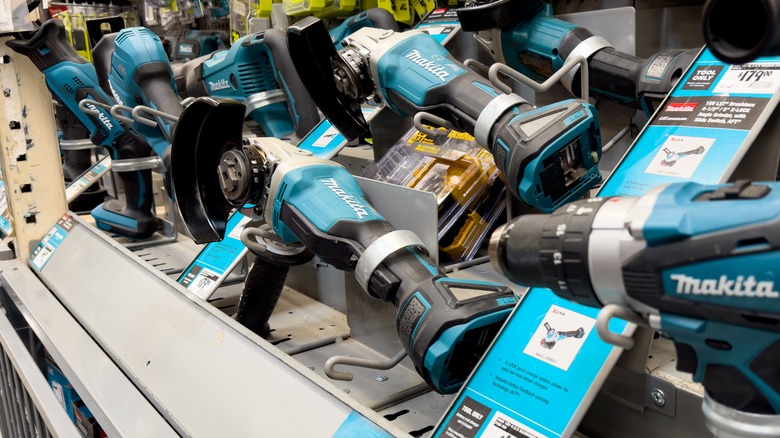
When looking at the Makita LXT vs XGT comparison, it is important to understand what that 40V Max label actually means. Technically, these batteries operate at a nominal voltage of 36V, which is exactly double the 18V of an LXT battery. The 40V refers to the peak voltage when the battery is fully charged. However, the real secret to XGT’s performance isn't just the voltage; it is the shift to 21700 battery cells.
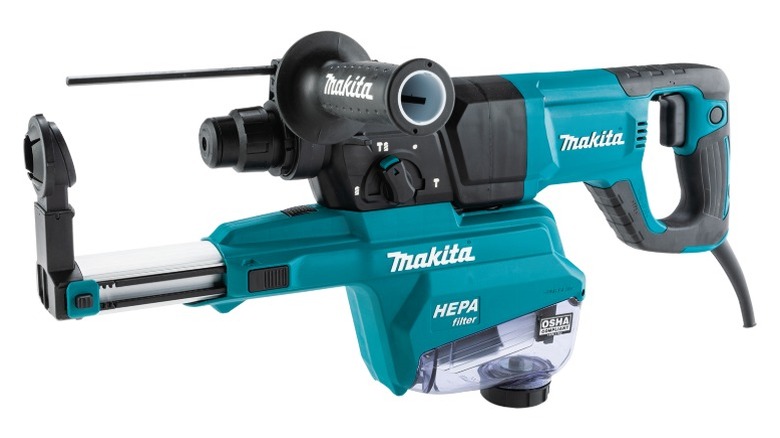
These larger cells are designed for a much higher discharge rate. While the 18650 lithium cells in LXT packs are great for steady, moderate tasks, they can struggle with the intense current draw required for high-load tools. The XGT system was designed to tackle materials that usually stall an 18V tool. Think of it this way: LXT is perfect for cutting plywood and MDF, but XGT is built for structural timber and reinforced concrete.
By late 2024, the 40V Max XGT system had already expanded to include more than 125 products, including an angle grinder that operates roughly 40 percent faster than its 18V predecessor. This system also features superior heat dissipation and thermal management. Because the digital communication between the battery and the tool is more advanced, the system can monitor heat levels in real-time, allowing the tool to work harder for longer without hitting a thermal shutdown.
Safety & Durability: STAR Protection and XPT Technology
One of the most frequent questions from my readers is about how makita star protection technology prevents tool overheating and why it matters for a garage workshop. Essentially, STAR Protection is a digital handshake. When you pull the trigger, the tool, the battery, and the brushless motors talk to each other. If the battery detects that the tool is drawing too much current (overloading) or that the temperature is rising too fast (overheating), it will cut power instantly to protect the internal circuitry.
Visual Identification: The Star Symbol
You can easily identify compatible hardware by looking for the Star symbol embossed on the battery terminal or the yellow connector plate on the tool. If you see either of these, your equipment is equipped with the latest STAR Protection digital communication.
Beyond the electronics, Makita also focuses on the physical environment of the DIY workshop. The benefits of makita xpt extreme protection for garage workshops cannot be overstated. XPT stands for Extreme Protection Technology, and it consists of a series of internal seals designed to channel dust and water away from sensitive components. Even if you are working in a dusty garage or a sudden rain shower hits your outdoor deck project, XPT ensures that your Makita battery systems keep running reliably.
The Hybrid Strategy: Using the ADP10 Adapter
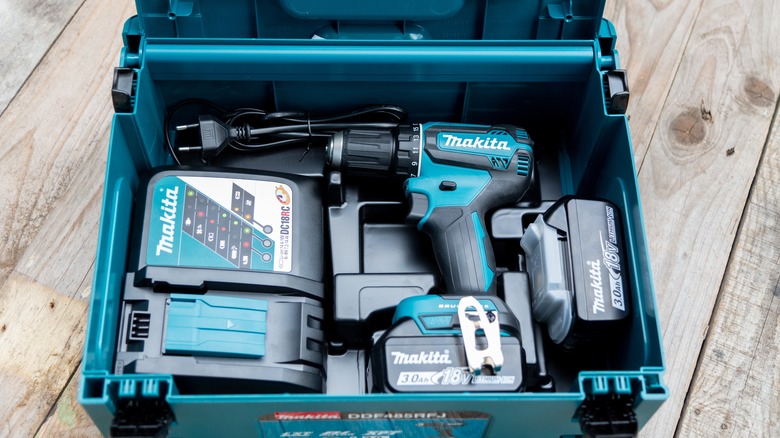
Many DIYers feel they have to pick a side in the Makita 18V vs 40V tools debate, but there is actually a "smart workshop" middle ground. If you already have a collection of LXT tools but find yourself needing the raw power of an XGT miter saw or rotary hammer, you can bridge the gap using the ADP10 adapter.
This adapter allows you to charge your 18V LXT batteries on the XGT Rapid Optimum Charger. This is a game-changer for workshop organization. Instead of cluttering your workbench with two different charging stations, you can use the XGT charger as your primary hub. Interestingly, the XGT charger often charges LXT batteries faster than older 18V chargers because of its superior cooling fan system, which manages the temperature of the cells during the rapid charging cycle.
By using makita 18v lxt batteries with xgt chargers, you can slowly transition into the high-power ecosystem as your projects demand it, without making your existing tool chest obsolete. It is a cost-effective way to maintain a hybrid workshop that handles both precision craft and heavy construction.
Decision Matrix: Which Makita System Should You Buy?
To help you make the final call, I’ve put together a quick comparison based on common DIY scenarios. Makita’s strategic focus on cordless innovation is clear, as the company reported global sales of approximately 1.202 trillion yen for the fiscal year ending March 2024. This scale ensures that whichever system you choose, you are backed by a global leader in battery technology.
| Feature | LXT 18V System | XGT 40V Max System |
|---|---|---|
| Primary Voltage | 18V | 36V Nominal (40V Max) |
| Battery Cell Type | 18650 | 21700 |
| Tool Ecosystem | 350+ Products | 125+ Products |
| Weight | Lighter (Better for overhead) | Heavier (Better for stability) |
| Best DIY Scenario | Home repair, furniture, gardening | Demolition, masonry, large decks |
If you are a hobbyist woodworker or a homeowner doing general maintenance, choosing between makita lxt and xgt for home DIY usually points toward the LXT system. It is lighter, more affordable, and offers an incredible variety of tools for every niche hobby. However, if you are planning a full home renovation involving concrete work and heavy framing, investing in the XGT system will save you time and frustration by providing corded-level performance without the trip hazards.

FAQ
Are Makita 40V XGT batteries compatible with 18V LXT tools?
No, the battery mounts are physically different to prevent users from accidentally connecting a higher voltage battery to a lower voltage tool. However, you can use an adapter to charge LXT batteries on XGT chargers.
What is the difference between Makita LXT and XGT systems?
The primary difference is the voltage and the intended use case. LXT is an 18V system designed for general-purpose tools and portability, while XGT is a 40V Max system built for high-demand, industrial-level tasks that require more torque and faster speeds.
Is it worth upgrading to the Makita 40V Max XGT system?
It depends on your projects. If you find your 18V tools stalling during heavy tasks like drilling into masonry or cutting thick hardwoods, the XGT system is a worthwhile upgrade. For standard home DIY, the 18V LXT system is usually more than sufficient.
How many years do Makita batteries usually last?
With proper care and by avoiding extreme heat, a Makita lithium-ion battery typically lasts between 3 and 5 years, or roughly 1,000 to 1,500 charge cycles. The STAR Protection technology helps extend this lifespan by preventing damage from overheating.
Are all Makita 18V batteries interchangeable?
Most Makita 18V LXT batteries are interchangeable across the LXT range, provided the tool and battery both feature the Star symbol or a yellow terminal. Older 18V batteries without these safety features may not fit modern high-draw brushless tools.