Quick Facts
- Safety Status: Buying used headphones is safe if you prioritize hygiene by sanitizing hard surfaces and replacing porous ear pads or tips. Choosing models with removable parts ensures a safe, near-factory experience.
- Hygiene Stat: A recent study found that on-ear headphones can host roughly 10x more bacterial colonies than a standard toilet seat.
- Performance Indicator: Worn-out ear pads lead to a loss of acoustic seal, which significantly weakens bass response and noise isolation.
- Sanitization Essential: Use 3% hydrogen peroxide for earwax removal on meshes; avoid using high-concentration alcohol on delicate memory foam cushions.
- Battery Benchmark: For any secondhand wireless models, aim for a minimum of 25-30 hours of playback to ensure the internal cell hasn't degraded too far.
- Key Repair: Approximately 90% of premium headphones use one of four standard pad attachment systems: Clip-On, Twist-Lock, Stretch-in, or Adhesive.
Buying used headphones is safe if you prioritize hygiene by sanitizing hard surfaces and replacing ear pads or tips. Because headphones collect sweat, oils, and earwax, choosing models with removable parts allows you to refresh the contact points completely. Disinfecting the device with isopropyl alcohol or hydrogen peroxide further reduces the risk of bacteria transfer from previous owners.
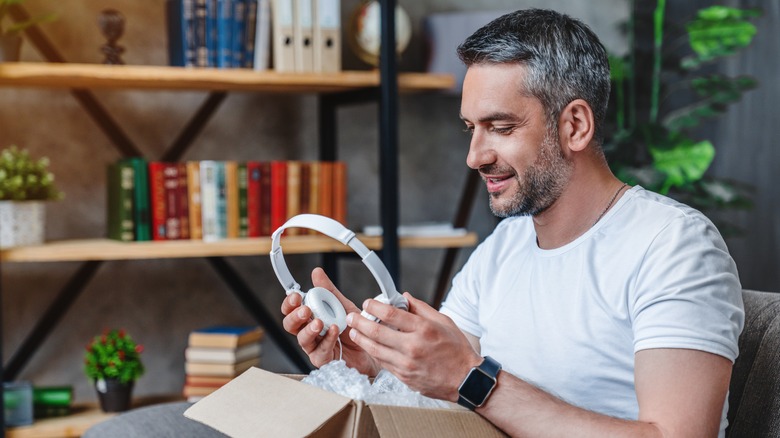
As an editor who spends most of my day swapping between high-end planar magnetics and consumer-grade wireless buds, I often get asked if buying used headphones is a smart move or a health hazard. The reality is that the secondhand market is a goldmine for audiophile gear that would otherwise be out of reach. However, the risks of wearing secondhand headphones are real if you do not approach the purchase with a technician’s eye and a medic’s sense of hygiene. Beyond the gross-out factor, you are looking for structural integrity and electronic longevity. If you follow a strict protocol for sanitizing and inspecting your gear, you can score legendary sound at a fraction of the retail price.
The Hidden Risks of Secondhand Audio Gear
When we talk about the risks of wearing secondhand headphones, we have to start with the biology. It sounds like hyperbole, but a hygiene study revealed that on-ear headphones can host approximately 205 bacterial colonies, which represents roughly ten times more microbial growth than the average toilet seat. This is not just a matter of "someone else’s sweat." Headphones are warm, dark environments that trap moisture, making them the perfect breeding ground for bacteria transfer.
The buildup of skin oils and earwax is more than just unsightly; it can lead to actual ear infections, especially with invasive earbuds that sit deep in the canal. Over-ear models are slightly less risky in terms of direct internal infection, but they are notorious for harboring mold in the foam if they were used frequently in humid environments or during heavy workouts. For me, the rule is simple: if I cannot replace the parts that touch the skin, I don’t buy them used. The goal is to isolate the driver—the actual tech—from the organic debris left behind by the previous owner.
The Sanitization Protocol: Resetting Your Purchase
Once you have your gear, the first step is cleaning used headphones to ensure they are medically safe. This is a surgical process. You are not just wiping them down; you are resetting the device to a neutral state. I recommend a dedicated sanitization toolkit consisting of 70% isopropyl alcohol, 3% hydrogen peroxide, a pack of microfiber cloths, and a soft-bristled toothbrush.
Start by removing the ear pads or silicone tips. If they are silicone, soak them in warm, soapy water for 30 minutes. If they are leather or velour, check if they are worth saving. Usually, they aren't. For the hard surfaces of the headband and the outer earcups, use a microfiber cloth lightly dampened with isopropyl alcohol. Be careful not to let liquid seep into the driver housing. For the metal or plastic mesh where earwax tends to migrate, use a Q-tip dipped in 3% hydrogen peroxide. The peroxide bubbles as it breaks down organic matter, effectively dissolving earwax buildup without needing to poke at the fragile mesh.
Material Care Matrix
| Material | Recommended Cleaner | Method | Warning |
|---|---|---|---|
| Protein Leather | Mild soap & water | Damp cloth wipe | Alcohol can crack the surface |
| Velour/Fabric | Gentle detergent | Hand-wash & air dry | Do not use heat to dry |
| Silicone Tips | 70% Isopropyl Alcohol | Full immersion | Ensure they are bone dry before use |
| Plastic/Metal | 70% Isopropyl Alcohol | Microfiber wipe | Avoid contact with drivers |
Avoid using bleach or harsh hand sanitizers, as these often contain moisturizers or scents that leave a sticky residue or damage the finish of your audiophile gear.
Technical Inspection: Beyond the Surface
When you are learning how to inspect used headphones, you need to look past the shiny finish. The most common point of failure is the headband. Stress fractures in plastic headbands can be invisible at first glance but will snap the moment you put them on your head. Run your fingers along the arc, feeling for any irregularities.
Next, you must perform a check for driver health. This is best done by playing a frequency sweep from 20Hz to 20kHz. Listen for channel balance—does the sound stay centered, or does it drift to the left or right? If one side feels "thinner" or quieter, the driver may be dying, or there might be a hair trapped against the diaphragm causing rattle.
For wireless models, testing used headphones battery life and sound is critical. Most modern lithium-ion batteries have a lifespan of about 2-3 years of heavy use. If you are buying a flagship model from 2021, the battery might only hold 60% of its original charge. A good benchmark for over-ear units is a minimum of 25-30 hours of playback. If the seller can’t verify this, proceed with caution. Finally, authenticity verification is vital. Fake Sennheisers and Sonys are everywhere. Check the weight of the unit against official specs and look for the specific font and placement of the logo.
Restoring Sound Quality: The Importance of Ear Pads
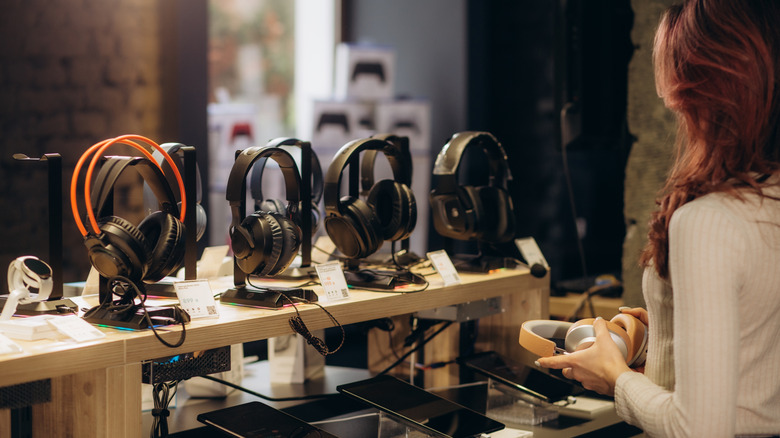
I cannot emphasize this enough: replacing headphone ear pads is the single most effective way to improve both hygiene and audio performance. People often forget that the ear pad is a critical acoustic component. It creates the sound seal required for lower frequencies to resonate. When memory foam cushions become compressed and lose their spring, the distance between the driver and your ear changes, and the seal breaks. The result? A massive loss in bass impact and a tinny, recessed sound profile.
When replacing headphone cushions for secondhand pairs, identify which of the four attachment types your model uses:
- Clip-On: Common in Bose and Sennheiser; they snap into place with plastic tabs.
- Twist-Lock: Seen in brands like Bowers & Wilkins; a simple rotation locks them in.
- Stretch-in: The most common; the pad has a "skirt" that fits into a groove on the earcup.
- Adhesive: Found in some smaller portables; requires careful peeling and re-sticking.
Sourcing replacement earcups from reputable brands like Dekoni or Wicked Cushions—or getting official parts from manufacturers like Beyerdynamic—can actually make a used pair of headphones sound better than they did when they were brand new.
Where to Buy: Certified Refurbished vs. Marketplace Sellers
The global refurbished headphones market is exploding, valued at an estimated $1.5 billion in 2023 and is projected to reach approximately $3.5 billion by 2028. This growth is great news for buyers because it means more professional options.
If you are risk-averse, stick to "Certified Refurbished" programs. Outlets like Amazon Renewed, eBay Refurbished, or the manufacturers' own outlets (like the Bose or JBL outlet stores) offer a layer of marketplace reliability that private sellers cannot match. These units have been inspected by technicians, cleaned, and usually come with a 90-day or one-year warranty.
However, if you are hunting for rare audiophile gear, you will likely end up on marketplaces like Reverb or r/AVexchange. When dealing with private sellers, look for "original box and accessories" as a sign of a meticulous owner. Always check their feedback for mentions of "smoke-free home" or "low hours," as these are high-value signals for driver health and physical wear and tear.
FAQ
Is it worth buying used headphones?
Absolutely, especially if you are looking at high-end wired models. Professional studio gear like the Sennheiser HD 600 or Beyerdynamic DT 1990 Pro is built to last decades. You can often find these for 40-50% off the retail price, leaving you extra room in your budget for a better DAC or amplifier.
How do you sanitize used headphones?
The best method involves a multi-step process: remove and replace the ear pads, wipe down all hard surfaces with 70% isopropyl alcohol, and use 3% hydrogen peroxide to dissolve any organic debris on the driver meshes. Always use a microfiber cloth to prevent scratching the finish.
Is it hygienic to buy second-hand headphones?
It is hygienic only if you treat the purchase like a restoration project. Since headphones can host ten times more bacteria than a toilet seat, you must replace the porous materials like foam and silicone. Once those contact points are new, the rest of the device is essentially as clean as any other piece of used electronics.
How can I tell if used headphones are authentic?
Check the weight against the manufacturer’s official specifications using a kitchen scale; fakes are often significantly lighter. Additionally, inspect the build quality of the hinges and the texture of the materials. Most fake headphones fail to replicate the exact feel of high-quality memory foam or the precision of metal adjustment sliders.
Should I replace the ear pads on used headphones?
Yes, this is non-negotiable for both hygiene and sound quality. Old pads carry the previous owner's skin oils and bacteria. Furthermore, flattened pads destroy the acoustic seal, resulting in a loss of bass and poor noise isolation. A fresh pair of pads is the best $20-$50 investment you can make in used gear.
The secondhand market is the ultimate "cheat code" for achieving high-end sound on a budget. As long as you respect the hygiene data and perform a rigorous technical inspection, there is no reason to fear a pre-owned pair. Just remember: the drivers are the heart, but the pads are the soul. Replace the pads, clean the mesh, and enjoy the music.