Our Top Picks
- Best Overall Full-Frame: Sony ZV-E1 – Industry-leading low-light performance and AI-driven stabilization in a remarkably small body.
- Best for Solo Travelers: DJI Pocket 3 – A gimbal-stabilized powerhouse that fits in your pocket and tracks your face automatically.
- Best for Multi-Platform Creators: Fujifilm X-S20 – Features unique open-gate recording that makes cropping for TikTok and YouTube equally effortless.
- Best for Rugged Adventures: Insta360 X5 – Unmatched durability and 360-degree capture for those who go where traditional cameras cannot.
- Best Budget Entry: Canon PowerShot V10 – A tiny, smartphone-sized device with a built-in stand and high-quality microphones.
When selecting the best travel vlogging camera, prioritize portability, stabilization, and autofocus. Compact mirrorless cameras with in-body image stabilization (IBIS) are ideal for handheld walking shots, while a fully articulating screen is essential for self-framing. Look for phase-detection autofocus to ensure you stay in focus during movement, and consider a model with a large sensor if you plan to film at night.
The Smartphone Threshold: Why Upgrade in 2026?
As we head into 2026, many creators ask if their high-end smartphone is still enough for high-quality travel vlogs. While modern phones have incredible computational power, the physical limitations of a small sensor cannot be ignored. The global vlogging camera market reached an estimated valuation of 3.2 billion USD in 2024 because dedicated hardware still offers the depth, color science, and lens variety that professional content demands.
In fact, mirrorless cameras became the dominant product type for vlogging in 2024, accounting for approximately 42% of the global market share. This shift isn't just about megapixels; it is about the content creator workflow. Dedicated cameras provide better heat management for long shoots, interchangeable lens system flexibility, and physical dials that make adjusting settings in the field far more intuitive. Interestingly, global shipments of dedicated cameras experienced their first year of growth since 2017 in 2024, rising 6% from 7.8 million units to 8.3 million units. Creators are clearly realizing that to stand out in a saturated digital landscape, the superior optics of a compact mirrorless camera for vlogging are non-negotiable.
Essential Features for Travel Creators
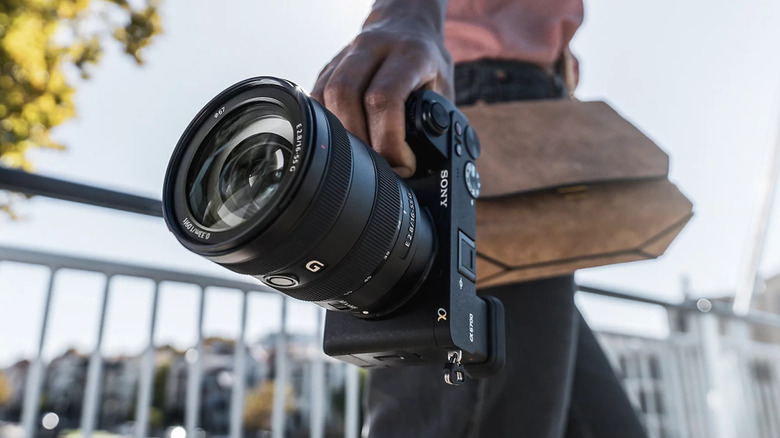
Before diving into specific models, you must understand the technical pillars that separate a good camera from a great one. For those looking for portable vlogging cameras for travel, the following specs will determine your video quality:
- Phase-detection autofocus: Unlike older contrast-based systems, phase-detection autofocus is incredibly fast and reliable. It ensures that even if you move toward or away from the lens while walking, your eyes remain sharp.
- In-body image stabilization (IBIS): This is the holy grail for travel vloggers. It uses a floating sensor to counteract shaky hands, effectively turning your handheld footage into something that looks like it was shot on a tripod.
- Open-Gate and Aspect ratio flexibility: This is a game-changer for travel vlogging camera recommendations for vertical video. Cameras like the Fujifilm X-S20 record using the full height of the sensor, allowing you to crop a 9:16 vertical clip for Reels and a 16:9 horizontal clip for YouTube from the exact same file.
- Color Science and Log gamma curves: Advanced creators look for 10-bit 4:2:2 sampling and Log profiles. This allows for significant color grading in post-production, giving your travel footage a cinematic look rather than a digital, "home movie" feel.
| Feature | Importance | Why it Matters |
|---|---|---|
| Articulating Screen | Essential | Allows you to see your framing while talking to the camera. |
| Microphone Input | High | Audio is 50% of the video; external mics are a must. |
| Weight | High | A heavy camera will stay in your hotel room; lightness is key. |
| Battery Life | Medium | You can always carry spares, but internal charging is vital. |
10 Expert Camera Recommendations by Travel Style
Solo Travelers: Portability and Ease of Use
For the solo adventurer, your gear needs to be an extension of your arm. You don't have a camera crew, so you need tools that track you automatically.
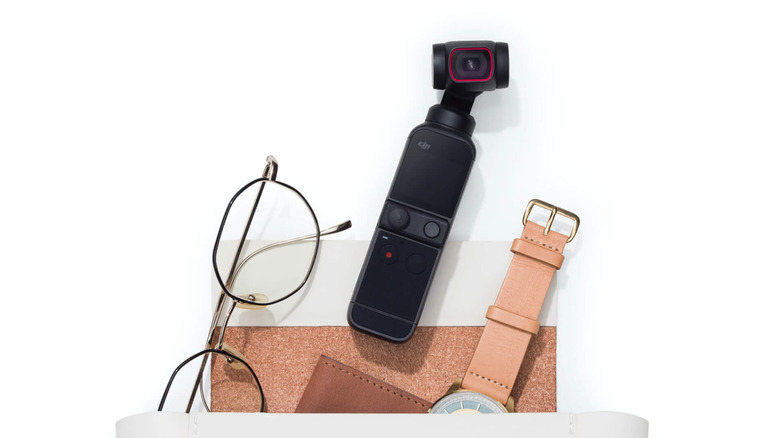
1. DJI Pocket 3
The DJI Pocket 3 is arguably the most portable vlogging cameras for solo travelers today. It features a built-in 3-axis mechanical gimbal, meaning its stabilization is superior to almost any mirrorless camera without a bulky external gimbal.
- Pros: Incredible 1-inch sensor, rotatable screen, face tracking.
- Cons: Fixed focal length, not waterproof.
- Why It Works: The face-tracking feature is like having a tiny cameraman who never misses a shot while you explore a new city.
2. Sony ZV-1 II
This is a premium point-and-shoot designed specifically for creators. It features a wide-angle lens that is perfect for "arm's length" vlogging where you need to show both yourself and the scenery.
- Pros: Compact, great built-in microphone, Bokeh switch.
- Cons: Small battery, no IBIS (uses digital stabilization).
- Why It Works: It offers a simple, one-button transition from sharp backgrounds to blurry, professional backgrounds.
High-End Hybrid: Professional Cinematic Quality
If you are a professional creator or someone moving into high-end travel filmmaking, these cameras offer the best full-frame cameras for nighttime travel vlogging performance.
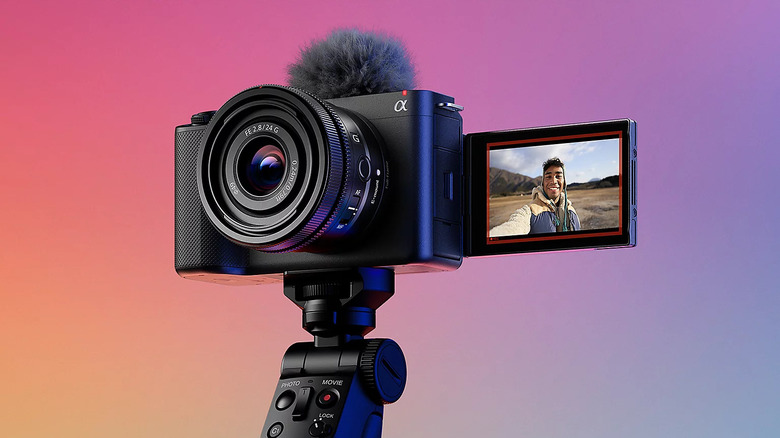
3. Sony ZV-1 E1
The Sony ZV-E1 is the world's smallest full-frame camera with dedicated AI processing. It features the same sensor as the legendary A7S III, making it a beast in low light.
- Pros: S-Cinetone color science, incredible AI-framing, compact full-frame.
- Cons: Expensive, can overheat in 4K/120p in very hot climates.
- Why It Works: It uses a BIONZ XR processor to run AI features that can automatically crop the frame to keep you centered as you move around a room or landscape.
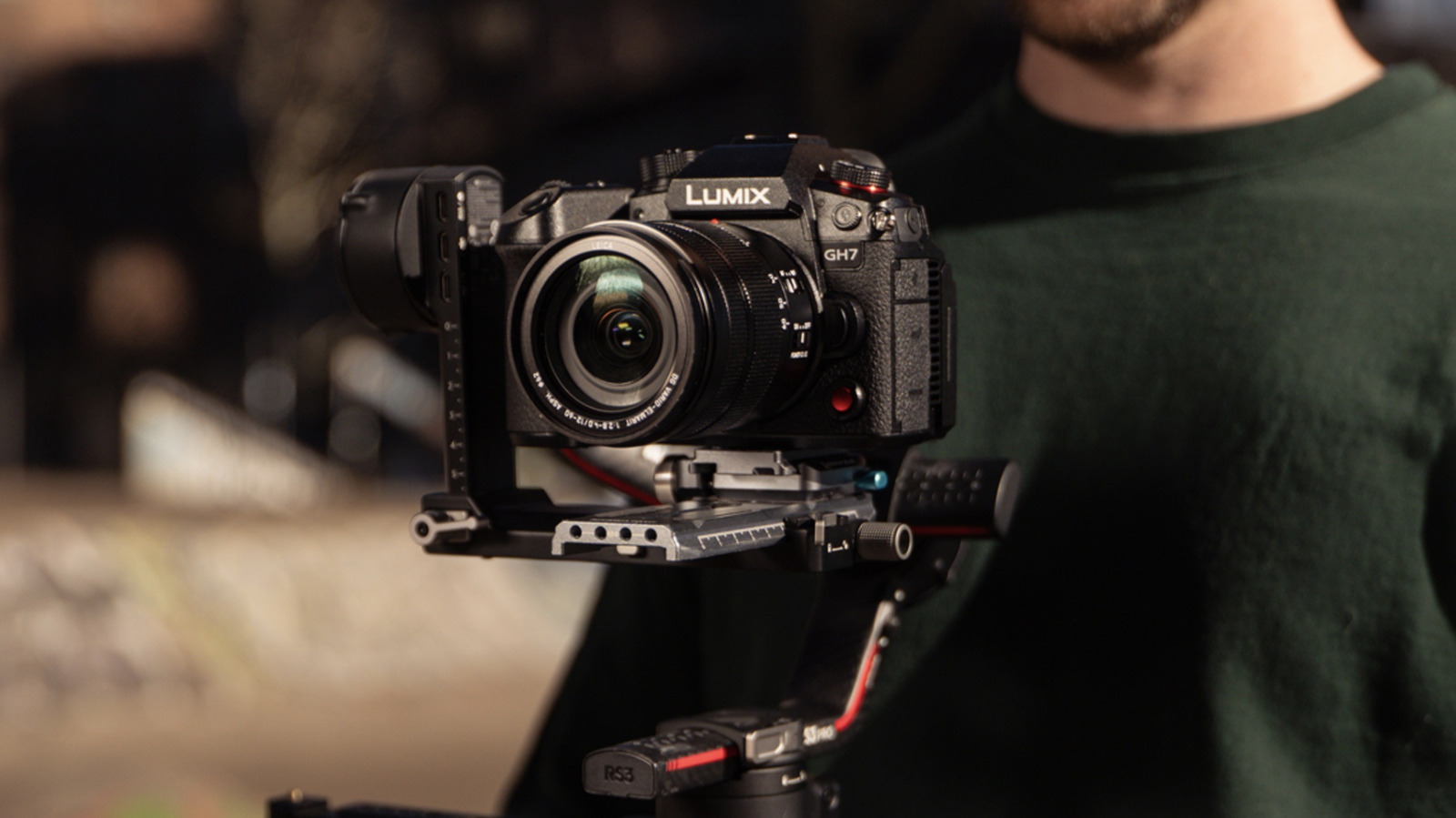
4. Panasonic LUMIX GH7
For the tech-obsessed, the GH7 offers 5.7K recording and internal ProRes RAW. Its built-in fan means it will never overheat, no matter how long you film in the Sahara.
- Pros: Unlimited recording times, phase-detection autofocus (finally!), professional audio.
- Cons: Micro Four Thirds sensor is smaller than full-frame.
- Why It Works: It is a workhorse for creators who need 10-bit 4:2:2 sampling and extreme reliability in harsh conditions.
5. Fujifilm X-S20
This is my top recommendation for hybrid creators who also love photography. It is one of the best compact mirrorless cameras for high-quality travel vlogs because of its "Vlog Mode" and open-gate recording.
- Pros: 6.2K internal recording, beautiful film simulations, great battery life.
- Cons: Autofocus is slightly behind Sony and Canon.
- Why It Works: The film simulations let you get a "look" straight out of the camera, saving hours of editing time.
Rugged and Action: Built for the Extreme
When your travel involves surfing, skiing, or dusty jeep rides, you need the best action cameras for rugged travel vlogging 2026.
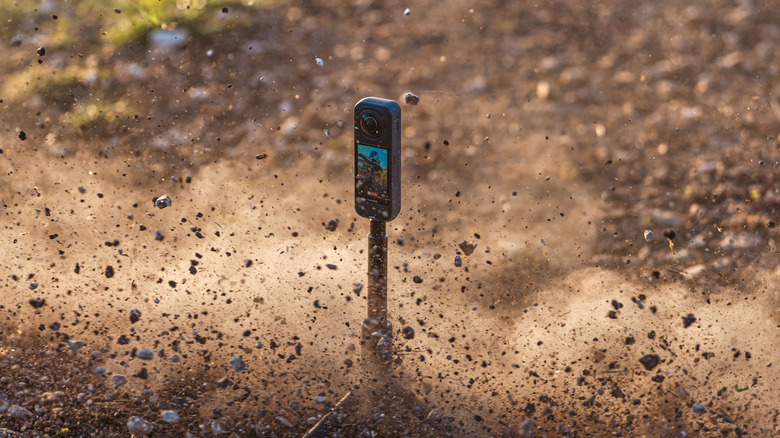
6. Insta360 X5
The X5 (the successor to the X4) is the ultimate tool for "invisible" third-person shots. Since it records 360 degrees, you don't even have to point the camera; you just film and choose the angle later.
- Pros: 8K 360-degree video, rugged build, invisible selfie stick effect.
- Cons: Large files, requires more time in post-production editing.
- Why It Works: It captures the entire environment, making it perfect for immersive storytelling in landscapes.
7. Insta360 Go 3s
This tiny camera is about the size of a thumb. It can be magnetically mounted to your shirt, a hat, or even a pet’s collar for unique POV shots.
- Pros: Ultra-portable, waterproof, hands-free operation.
- Cons: Limited battery life outside its pod, smaller sensor.
- Why It Works: It allows for "stealth" vlogging in places where big cameras might be distracting or prohibited.
8. OM System OM-3
Continuing the Olympus legacy, this camera is built like a tank. It is heavily weather-sealed and features some of the best stabilization for walking and talking in the industry.
- Pros: IP53 weather rating, incredible IBIS, lightweight lenses.
- Cons: Micro Four Thirds sensor has a harder time in dark caves or night markets.
- Why It Works: It is the best choice for a safari or jungle trek where rain and dust are guaranteed.
Budget and Beginners: Starting Your Journey
You don't need to spend $3,000 to start vlogging. These budget travel cameras for creators provide excellent value.
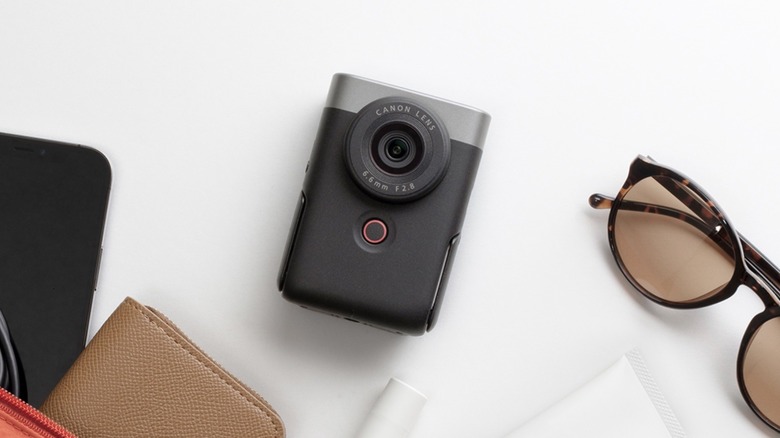
9. Canon PowerShot V10
The V10 is one of the most easy to use vlogging cameras for first-time creators. It looks more like a smartphone than a camera, making it less intimidating to use in public.
- Pros: Large built-in microphones, integrated stand, very affordable.
- Cons: No interchangeable lenses, digital-only stabilization.
- Why It Works: It is a true point-and-shoot experience that fits in a jeans pocket.
10. Sony ZV-E10 II
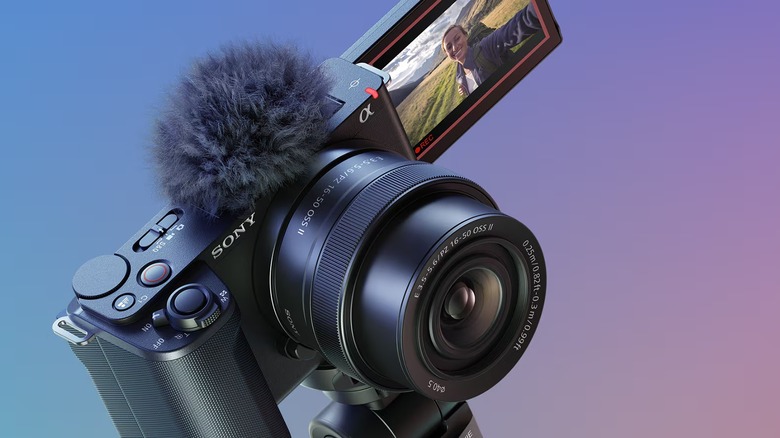
The ZV-E10 II is the gold standard for entry-level mirrorless. It allows you to grow by changing lenses while remaining very simple to operate.
- Pros: Large APS-C sensor, great autofocus, vertical video menus.
- Cons: No viewfinder (screen only), electronic stabilization crops the image.
- Why It Works: It offers the best balance of price and professional features for someone who wants to take vlogging seriously.
FAQ
What features should I look for in a travel vlogging camera?
Prioritize a fully articulating screen so you can see your framing, fast phase-detection autofocus to keep you sharp, and effective image stabilization for handheld movement. Additionally, a microphone input and a lightweight body are essential for long days of travel.
Is a smartphone good enough for travel vlogging?
Smartphones are excellent for casual clips, but dedicated cameras offer larger sensors that provide better low-light performance and natural background blur (bokeh). Dedicated gear also offers better thermal management and ergonomic physical controls that smartphones lack.
What is the best budget-friendly camera for vlogging?
The Canon PowerShot V10 and the DJI Pocket 2 are the top budget-friendly choices. They both offer high-quality video for under $500 and are specifically designed for the needs of solo creators who want a simple point-and-shoot experience.
How important is image stabilization for vlogging?
It is critical. Most travel vlogs involve walking and talking. Without good in-body image stabilization (IBIS) or a gimbal, your footage will be shaky and difficult for viewers to watch. This is often the biggest differentiator between amateur and professional-looking content.
What is the best camera for solo travel vloggers?
The DJI Pocket 3 is currently the best choice for solo travelers. Its built-in gimbal stabilization and face-tracking technology allow you to set the camera down or hold it at arm's length while it automatically keeps you in focus and perfectly framed.
Which camera is easiest for beginners to learn vlogging?
The Sony ZV-1 II and the Canon PowerShot V10 are the easiest to learn. They feature simplified menus, "vlog" specific buttons (like background defocus), and intelligent auto modes that handle all the technical settings so you can focus on your story.
Conclusion & Gear Checklist
Choosing the best travel vlogging camera is a deeply personal decision that depends on your specific travel style. If you are hiking the Andes, ruggedness and weight are your primary concerns. If you are documenting the night markets of Tokyo, sensor size and low-light performance take priority.
Before you buy, remember to calculate your Total System Weight. A light camera body is useless if the lenses you choose are massive and heavy. Look for a compact mirrorless camera for vlogging that supports a wide-angle prime lens—this will give you the best handheld experience.
My Final Vlogging Checklist:
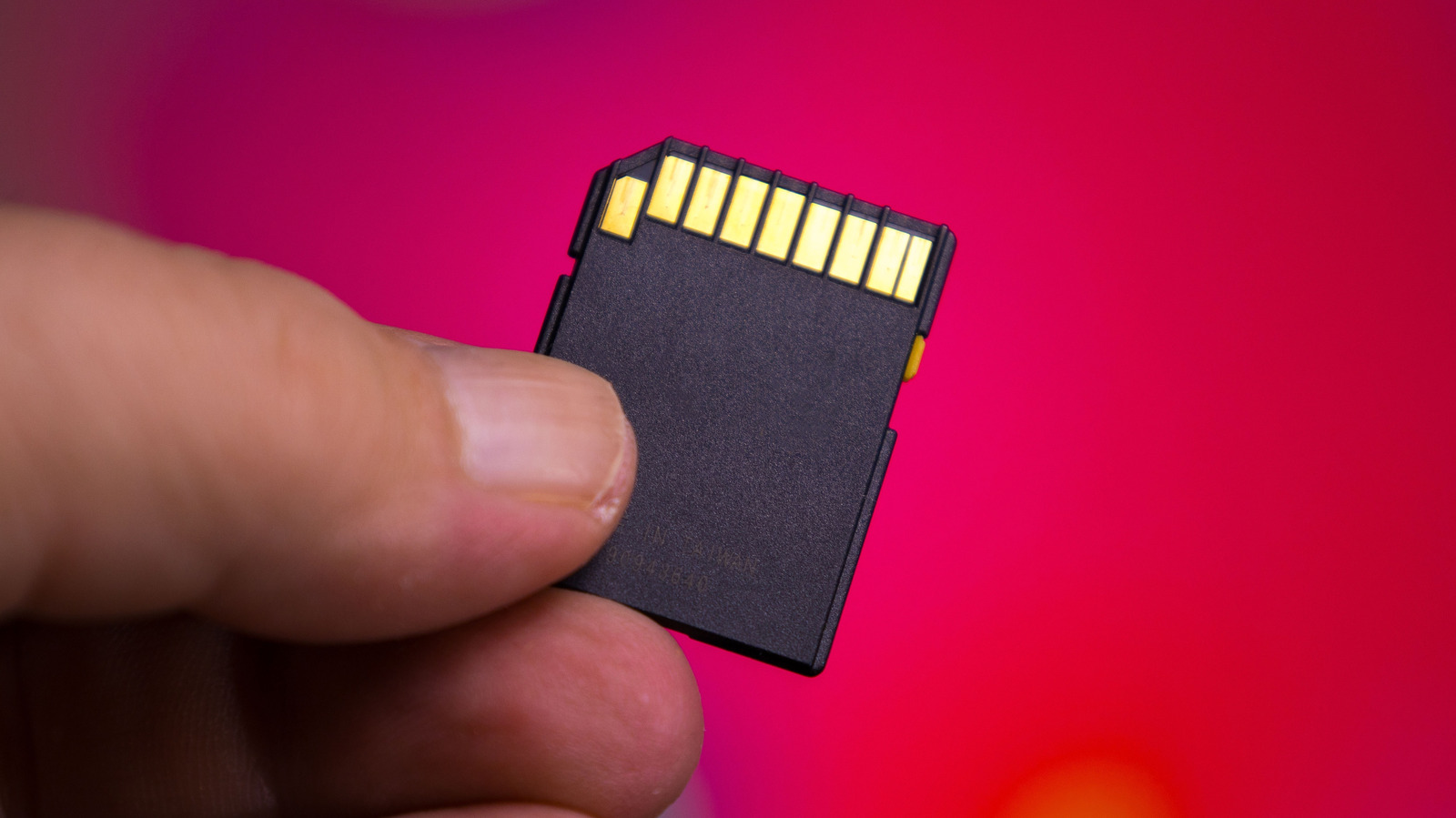
- Extra batteries and a high-speed SD card (V30 or V60 rating).
- A compact shotgun microphone or wireless lapel system.
- A small tabletop tripod or "gorillapod" for static shots.
- A variable ND filter for filming in bright sunlight.
Travel vlogging is about capturing the essence of a place while sharing your unique perspective. The right gear shouldn't get in the way; it should empower your content creator workflow and allow you to focus on what matters most: the journey itself.