Our Top Picks
Worst Overall: Polaroid P1 (Suffers from erratic volume and poor audio dynamics) Biggest Price Dud: Sony SRS-RA5000 (Scored a low 45/100 despite its high $800 price tag) Worst Bookshelf Style: Audioengine B2 (Noted for muddy bass and a distinct lack of detail) Design Disappointment: Tivoli Audio Sphera (Features a poor soundstage that fails to fill the room) Portability Trap: Sony SRS-RA5000 (Requires a constant connection via an AC power adapter)
Consumer Reports identifies the Sony SRS-RA5000, Polaroid P1, and Audioengine B2 as some of the worst wireless speakers currently on the market due to poor frequency response and low price-to-performance ratios. These models often fail to deliver balanced sound or lack essential connectivity features expected at their respective price points.
Finding the right audio gear is often a journey of navigating marketing jargon and sleek industrial design. As someone who spends my days surrounded by high-end monitors and budget Bluetooth units, I have learned that a high price tag or a legacy brand name is no guarantee of acoustic excellence. We often fall for the aesthetic, assuming that if a speaker looks like a piece of modern art, it must sound like a symphony. Unfortunately, independent lab testing often reveals a different reality.
When you are looking for your next purchase, knowing which Bluetooth speakers to avoid is just as important as knowing what to buy. The market is currently flooded with units that prioritize style over substance, leading to what we call a dud in the industry. These are speakers that, despite their hype, fail to deliver on the basic promise of clear, accurate audio.
| Model | Type | MSRP (Approx.) | Consumer Reports Score | Primary Issue |
|---|---|---|---|---|
| Sony SRS-RA5000 | Home Wireless | $800 | 45 / 100 | Unbalanced sound, low volume |
| AirPulse AU-4 Compact | Desktop/Wireless | $500 | 43 / 100 | Poor audio dynamics |
| Audioengine B2 | Bookshelf Style | $300 | 39 / 100 | Muddy bass, lack of detail |
| Tivoli Audio Sphera | Design Wireless | $250 | 38 / 100 | Compressed soundstage |
| Polaroid P1 | Ultra-Portable | $60 | Lowest Rated | Erratic volume, poor dynamics |
The Rigor of Independent Lab Testing
To understand why these specific models are labeled as failures, we have to look at how they are evaluated. Most reviewers receive free samples from manufacturers, which can lead to a natural bias. However, the data we are looking at today comes from a strictly Independent lab testing process conducted in Yonkers, NY. At this facility, 100% of the products are purchased at retail. This ensures that the unit being tested is exactly what you would receive if you walked into a store or ordered online.
The testers utilize an anechoic chamber to measure technical metrics like Total Harmonic Distortion and the accuracy of the frequency response. They aren't just listening for "vibes"; they are looking at how the Digital Signal Processing or DSP manages various genres of music. In the Consumer Reports speaker ratings system, sound quality is the most heavily weighted metric. If a speaker cannot reproduce a faithful representation of the original recording, no amount of multi-room connectivity or RGB lighting can save its score.
This objective approach is vital because it cuts through the brand loyalty and marketing gloss. For instance, a speaker might have a beautiful wood grain finish, but if the lab results show a massive dip in the midrange or a spike in the treble that causes listener fatigue, it will receive a low score.
The $800 Disappointment: Sony SRS-RA5000
One of the most shocking entries in the recent rankings is the Sony SRS-RA5000. When you see an $800 price tag, you expect a flagship experience that rivals mid-range hifi setups. Instead, Consumer Reports rated the Sony SRS-RA5000 with a low score of 45 out of 100, citing significant performance issues.
The first major red flag is the lack of portability. Despite its "wireless" branding, this unit requires a constant connection to an AC power adapter. It has no internal battery, meaning it is anchored to a wall outlet. Furthermore, for a speaker designed for home use, it surprisingly lacks an IP rating, meaning it has no certified protection against dust or moisture. If you were hoping to place this near a kitchen sink or on a covered patio, you are out of luck.
Technically, the audio performance is where the Sony really falters. Despite its seven-driver array and "360 Reality Audio" marketing, the sound is often described as muddy. There is a noticeable lack of midrange clarity, which makes vocals feel distant and buried under an unbalanced bass response. The soundstage, which should be expansive given its design, feels artificially processed rather than natural.
Reasons to Avoid
- Meager volume output that fails to fill large rooms.
- Requires a permanent AC power tether, limiting placement options.
- No IP rating for environmental protection.
- Poor price-to-performance ratio compared to competitors like Sonos or Bose.

Bookshelf Models to Skip: Audioengine B2 & Fluance Ai41
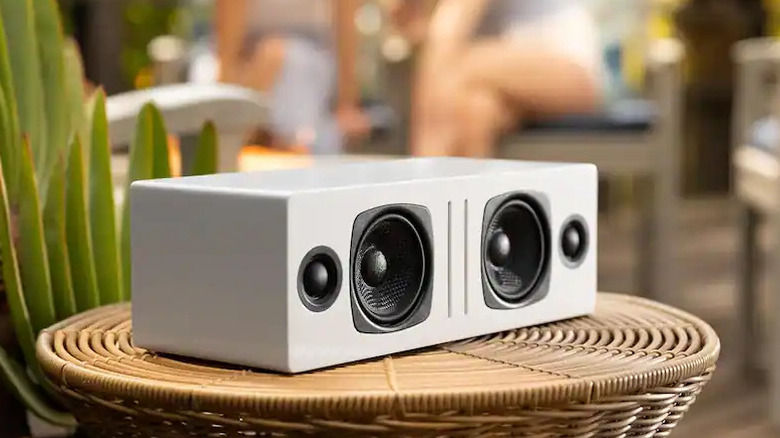
Many listeners prefer the Bookshelf form factor because it suggests a more traditional, high-fidelity listening experience. However, the Audioengine B2 proves that a classic look doesn't always equal classic sound. Scoring a 39 out of 100, the B2 is one of the more prominent wireless bookshelf speakers with bad sound reviews in the current database.
The primary complaint with the Audioengine B2 is its frequency response. While it tries to deliver a warm sound, it ends up producing a muddy bass that bleeds into the lower mids, obscuring the finer details of the music. There is a distinct lack of treble detail, making high-frequency instruments like cymbals or violins sound dull and lifeless. For $300, consumers expect a level of transparency that this model simply does not provide.
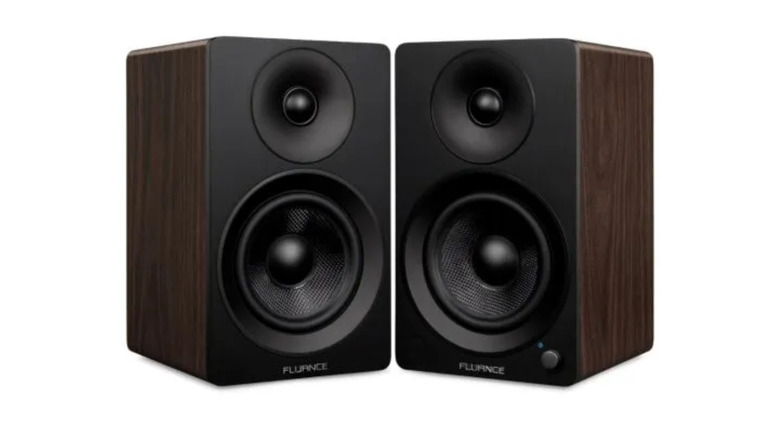
Similarly, the Fluance Ai41 has faced criticism for its unbalanced audio profile. While Fluance is known for excellent turntables, the Ai41 struggles with consistency across different volume levels. At lower volumes, the sound can feel thin, while at higher volumes, the Digital Signal Processing seems to struggle to keep the drivers in check, leading to noticeable compression. These models are clear examples of why expensive wireless speakers that aren't worth the price continue to exist in a market driven by aesthetics.
Reasons to Avoid
- Compressed audio that lacks dynamic range.
- Muddy low-end that interferes with vocal clarity.
- Limited soundstage for a stereo-pair-style design.
Lowest Rated Overall: The Polaroid P1
If you are looking for the absolute bottom of the barrel, look no further than the Polaroid P1. While Polaroid is a legendary name in photography, their foray into the audio world has been less than stellar. In fact, the Polaroid P1 is identified as the lowest-rated wireless speaker in the current Consumer Reports database.
The P1 is a small, colorful speaker that leans heavily into retro-futuristic vibes, but the audio engineering is almost non-existent. Testers noted erratic volume fluctuations where the speaker would suddenly dip or spike in loudness without user input. This is often a sign of poor internal components or a failing power management system.
Furthermore, the audio dynamics are nearly flat. Music played through the P1 sounds thin and tinny, resembling the output of a budget smartphone rather than a dedicated external speaker. It is a textbook example of bluetooth speakers with poor sound quality to avoid, even if the price point is relatively low. When the sound is this bad, even $60 is too much to pay.
Reasons to Avoid
- High levels of Total Harmonic Distortion even at moderate volumes.
- Erratic volume behavior that ruins the listening experience.
- Tiny drivers that fail to produce any meaningful bass response.
Red Flags: How to Spot a Dud Before Buying
When you are out shopping, it can be hard to distinguish between a high-quality unit and one that is just a pretty shell. There are several red flags to keep in mind when navigating a wireless speaker sound quality comparison on your own.
First, beware of speakers that rely on gimmicks. If a product’s main selling point is its RGB light show, "ambient" sound algorithms, or retro aesthetic, the manufacturer may be compensating for a lack of audio engineering. Good sound requires quality drivers, a well-tuned crossover, and a solid enclosure.
Second, check for modern connectivity. A modern speaker should support high-quality codecs like aptX or AAC. If a speaker only supports the basic SBC codec, you will likely experience more audio compression. Additionally, check for the IPX rating. If a portable speaker doesn't have at least an IPX4 rating (splash-proof), it’s not truly designed for the real world.
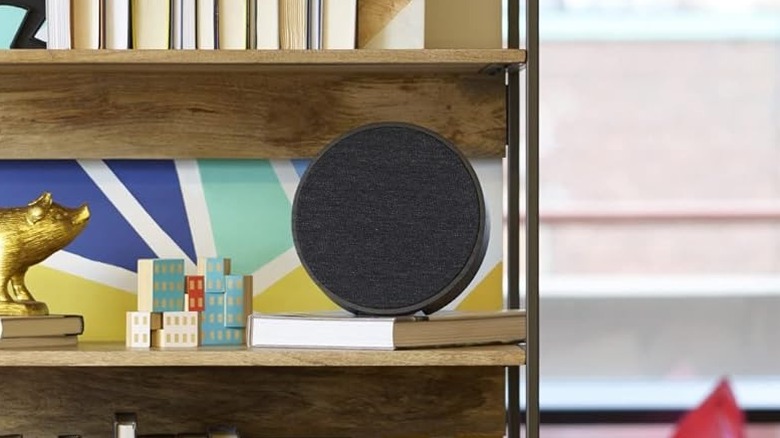
Lastly, watch out for portable speakers that require constant power warnings. If a device is marketed as wireless but lacks a battery or has a battery life of less than 5 hours, its utility is severely limited. A speaker like the Tivoli Audio Sphera received an overall score of 38 out of 100 largely because its unique circular design didn't translate into a functional soundstage or robust usability.
FAQ
What are the signs of a poor-quality wireless speaker?
The most immediate signs are a lack of clarity in the vocals and a "boomy" or muddy bass that overwhelms the other frequencies. You should also listen for audible hiss when no music is playing and distortion when the volume is turned up past 70%. Physical signs include a lightweight, hollow-feeling cabinet and a lack of specific technical details on the packaging.
Which features should I avoid when buying a Bluetooth speaker?
Avoid speakers that do not specify their Bluetooth version (anything below 5.0 is outdated) or those that lack an IPX rating if you plan to use them outdoors. Be wary of speakers that require proprietary apps for basic functions, as these apps are often poorly maintained and can lead to connectivity issues down the road.
How can I tell if a wireless speaker has bad sound quality?
Test the speaker with a track you know well that has a wide dynamic range, such as a classical piece or a well-produced rock song. If the instruments sound "clumped together" and you cannot distinguish the placement of the drums versus the guitar, the speaker has a poor soundstage. If the high notes sound piercing or painful, the frequency response is likely poorly tuned.
Are expensive wireless speakers always better than budget ones?
As seen with the Sony SRS-RA5000, price is not a reliable indicator of quality. Many mid-range speakers from dedicated audio brands like JBL, UE, or Sonos outperform luxury-priced units that focus more on lifestyle branding. Always look for lab-tested results rather than assuming a high price equals high fidelity.
Why do some wireless speakers have frequent connectivity issues?
Connectivity problems usually stem from outdated Bluetooth hardware or poor internal antenna placement. In some cases, aggressive power-saving features or low-quality Digital Signal Processing can cause the speaker to drop the signal or stutter. Interference from other 2.4GHz devices like Wi-Fi routers and microwaves can also plague speakers with poor shielding.