Quick Facts
- Top Protection: UV Filters with 9H hardness
- Best Physical Bumper: Dedicated Lens Hoods
- Storage Essential: Silica gel desiccant packets
- Cleaning Standard: Blower-first sequence
- Repair Warning: Use JIS screwdrivers only
- Optical Performance: Premium filters achieve 99% light transmission
To maximize camera lens protection, use a combination of front and rear caps when not in use and attach a dedicated lens hood during shooting. A lens hood serves as a physical bumper against accidental impacts and keeps moisture and debris off the front element. For transport, store lenses in padded, weather-resistant pouches to safeguard against humidity, dust, and scratches.
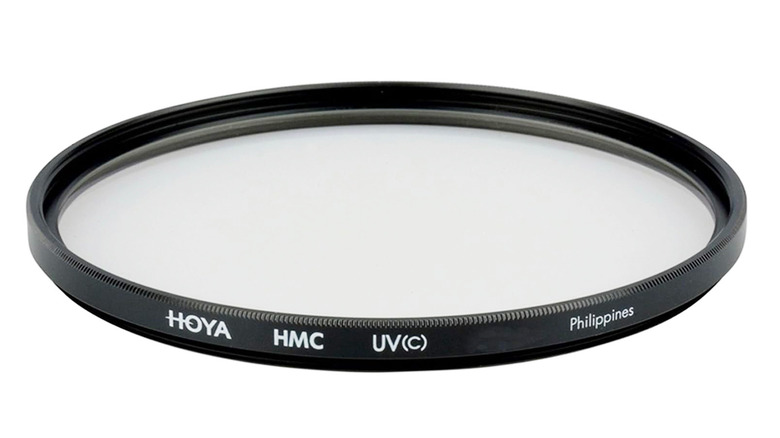
High-quality UV filters are a primary line of defense for camera lens protection by shielding the front glass from dust, fingerprints, and direct impacts. Modern multi-coated optical glass filters maintain image integrity while absorbing the brunt of accidental damage. It is significantly more cost-effective to replace a cracked or scratched UV filter than to repair or replace the permanent front element of an expensive lens.
Proper camera lens maintenance is crucial for long-term gear safety and image clarity. Use an air blower and soft brush to remove grit before wiping with a microfiber cloth to prevent surface scratches. To prevent mold and fungus growth during storage, place silica gel desiccant packets inside your camera bag or storage cases to absorb excess moisture and effectively control humidity levels.
1. High-Quality UV Filters: The Sacrificial Glass
When you invest thousands of dollars in high-performance glass, the thought of a single rogue pebble or a clumsy tripod tip-over can be nauseating. Think of a high-quality UV filter as a specialized insurance policy for your glass. This is the sacrificial glass concept: you are essentially placing a secondary layer of protection in front of your expensive optics so that it, rather than your lens, takes the hit.
The growth in this sector is a testament to how much photographers value their glass. In fact, the global camera lens filter market is projected to grow from USD 0.87 billion in 2024 to USD 1.61 billion by 2033, representing a compound annual growth rate of 7.1%. Modern photographers are moving away from cheap, generic filters and toward premium options like the Hoya HD Nano Mk II or the B+W T-Pro series.
Advanced filters are specifically designed to preserve optical glass integrity. They utilize anti-reflective coatings that minimize ghosting and flare, which were common complaints with older, lower-quality filters. Today, premium protective lens filters are engineered to achieve light transmission rates as high as 99% to ensure that the additional layer of protection does not significantly degrade image quality. Furthermore, high-quality tempered glass lens protectors typically feature a 9H hardness rating, providing significant resistance against scratches and impact damage while maintaining a thickness of only 0.15 to 0.5 mm. When you are looking for the best uv filters for camera lens protection 2026, prioritize these technical specifications over the lowest price point.
2. Lens Hoods: More Than Just Flare Control
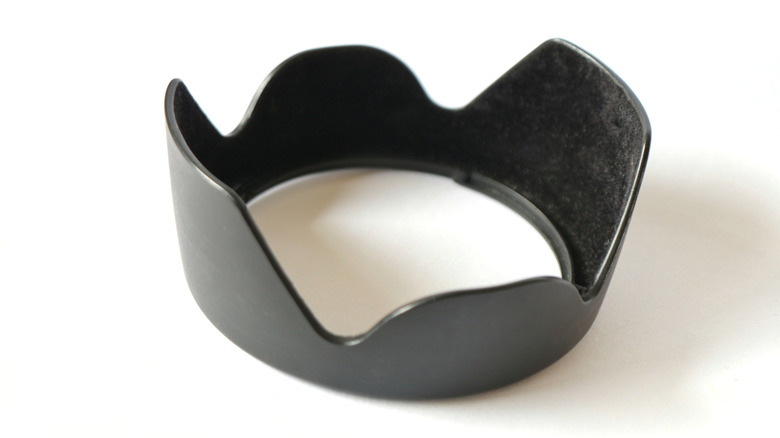
Many beginners assume that a lens hood is only for shooting in bright sunlight to prevent lens flare. While that is its primary optical function, its role in camera lens protection is arguably more important for daily use. A lens hood acts as a physical bumper, extending beyond the front glass to create a "crumple zone" during an impact.
If your camera swings against a rock or a doorway, using lens hoods for physical impact protection can mean the difference between a scratched hood and a shattered front element. Because the hood is wider than the lens barrel, it often takes the brunt of the kinetic energy during a fall. Furthermore, a hood provides an excellent front element safeguard against environmental hazards. It keeps stray raindrops, snowflakes, and even your own greasy fingerprints away from the glass surface.
I often get asked: is a lens hood better than a filter? The truth is that they serve different purposes in preventing camera lens damage. A filter protects against direct, sharp objects and micro-abrasions, while a hood protects against side impacts and keeps the front element recessed. For the ultimate setup, use both simultaneously. Just ensure you are using a dedicated hood designed for your specific focal length to avoid vignetting.
3. Front and Rear Lens Caps: Guarding the Core
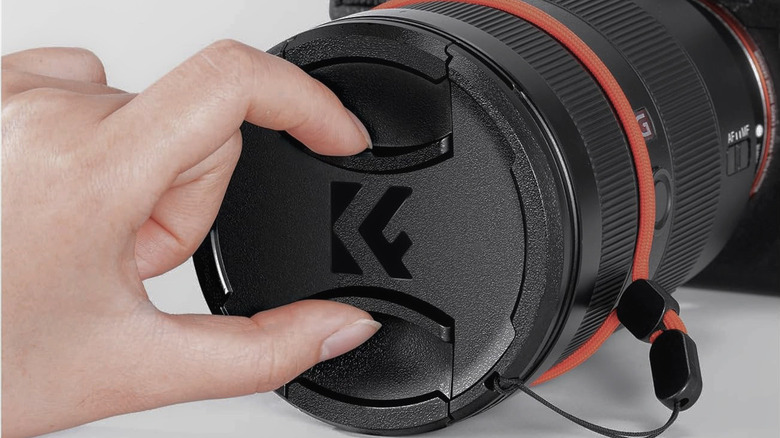
It sounds basic, but the humble lens cap is frequently neglected. While the front cap is intuitive, the importance of rear lens caps for camera lens protection is often overlooked by photographers who swap lenses quickly in the field. The rear of your lens contains the most sensitive components: the rear element and the electrical contacts.
The electrical contact protection provided by a rear cap is vital for maintaining the communication between your lens and camera body. Dust or moisture on these pins can lead to autofocus failures or aperture errors. If dust enters through the back of the lens, it can settle deep inside the internal glass elements where a simple cleaning kit cannot reach.
Always use a center-pinch front cap, as they are easier to remove and attach even when a lens hood is mounted. When you are in a dusty environment, such as a beach or a desert, make it a habit to cap your lens immediately after every few shots. Maintaining a dust-free environment from the start is much easier than trying to remove stubborn particles later during post-processing or through professional servicing.
4. The Professional Maintenance Kit: Safe Cleaning
Even with the best filters and hoods, your glass will eventually get dirty. This is where many photographers accidentally cause permanent damage. Using a t-shirt or a paper towel to wipe away a smudge can grind microscopic grit into the coatings, causing permanent scratches. A professional camera lens maintenance kit is a non-negotiable part of your gear bag.
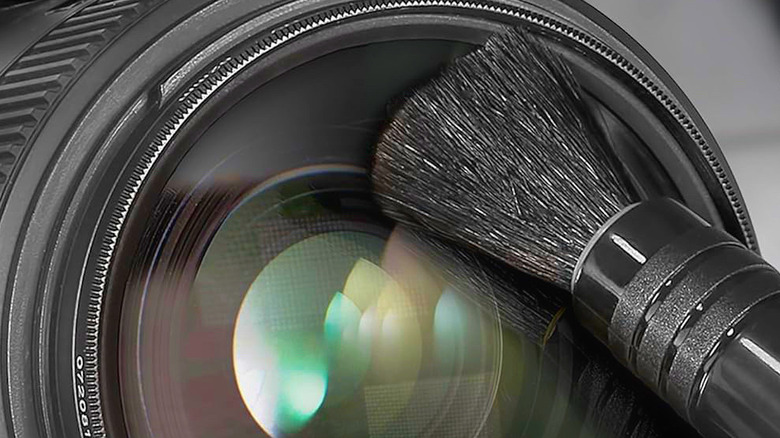
The essential items for a camera lens maintenance kit include a high-quality bulb air blower, a soft lens brush, and several clean microfiber polishing cloths. There is a specific, safe way to clean camera lens without scratching: always use the blower first to remove loose particles. Follow up with the brush to gently lift any remaining grit. Only after these steps should you use a microfiber cloth and a drop of specialized lens cleaning solution for smudges.
Pro Tip: The Proper Cleaning Sequence
- Blower: Use a bulb air blower to blast away loose dust. Never use "canned air," as the propellants can damage coatings.
- Brush: Use a static-free brush to gently flick away stubborn particles.
- Liquid: Apply one drop of lens cleaner to a cloth (never directly on the glass) and wipe in a circular motion.
- JIS Warning: If you ever need to tighten a loose screw on your lens mount, use only JIS (Japanese Industrial Standard) screwdrivers. Standard Phillips heads can strip the screws, leading to expensive repairs.
5. Padded Cases and Desiccant Packets: Long-term Security
Protection shouldn't stop when you put your gear away. In fact, some of the worst damage happens during storage or transport. Humidity is the silent enemy of optics, leading to the growth of mold and fungus inside the lens barrel. Learning how to prevent mold on camera lenses during storage is critical if you live in a humid climate.
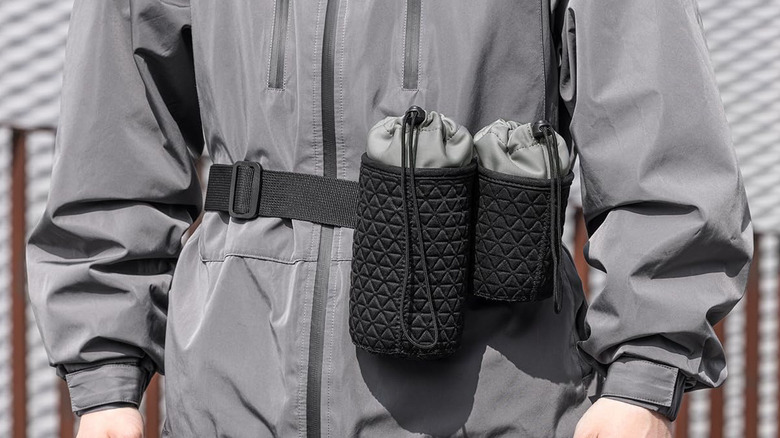
Always avoid storing your lenses in old leather pouches for long periods. Leather is organic and can harbor moisture, making it a breeding ground for lens fungus prevention failures. Instead, use weather-resistant padded cases or neoprene sleeves. These provide a secondary layer of impact resistance when your gear is inside a larger backpack.
To actively manage the environment inside your bag, use desiccant packets. These small bags of silica gel provide effective moisture absorption, keeping the air dry enough to inhibit fungal growth. If you travel frequently, consider a dedicated dry cabinet for your home or small rechargeable desiccant tins that you can reset in an oven once they become saturated.
FAQ
Do UV filters actually protect your lens?
Yes, UV filters serve as a physical barrier against dust, moisture, and fingerprints. In the event of a front-impact fall, a high-quality filter is designed to shatter or take the scratch, protecting the much more expensive front element of the lens itself.
Is a lens hood better than a filter for protection?
They provide different types of protection. A lens hood is superior for impact resistance against side-on bumps and keeping fingers away from the glass. A filter is better for protecting against direct scratches, sand, and saltwater spray. Using both provides the most comprehensive camera lens protection.
How do I protect my camera lens from scratches?
The best way to protect against scratches is to keep a UV filter on at all times and use a lens cap whenever you aren't actively shooting. Additionally, always use a bulb air blower to remove grit before wiping the lens with a cloth to ensure you aren't rubbing abrasive particles into the glass.
How can I protect my camera lens while traveling?
When traveling, use individual neoprene sleeves for each lens to prevent them from knocking against each other in your bag. Always carry a small camera lens maintenance kit and use desiccant packets in your bag to manage moisture absorption in different climates.
Before your next outdoor session, take a moment to audit your current setup. Investing in these five protective camera lens accessories is a fraction of the cost of a professional repair. Protect your glass today so you can focus on capturing the perfect shot tomorrow.