Our Top Picks
- Sennheiser HD 600: The gold standard for neutral sound signature and critical listening, though it requires a headphone amplifier to truly shine.
- Sony MDR-7506: An indestructible industry icon, perfect for those who need studio monitor headphones for music production and reliable noise isolation.
- Philips SHP9500: Widely considered the best budget hifi headphones for home music setups, offering an airy soundstage and incredible comfort for under 100 dollars.
- Focal Clear Mg: A luxury high-resolution audio powerhouse that delivers unmatched detail and sound imaging for the most serious listeners.
- Beyerdynamic T1 (3rd Gen): A premium open-back design that provides high-end performance while remaining easy to drive on modern devices.
Choosing wired audiophile headphones requires balancing sound signature, impedance, and design to achieve high-resolution audio without the latency or compression found in wireless alternatives. Whether you opt for open-back models like the Sennheiser HD 600 for a wider soundstage at home or closed-back options like the Sony MDR-7506 for isolation while recording, your choice should align with your specific signal chain and listening environment.

Why Wired? The Case for Serious Music in 2026
In an era where convenience often trumps quality, the resurgence of wired gear tells a different story. For many of us, music isn't just background noise; it is an experience that demands our full attention. According to a consumer survey by SoundGuys, 61% of respondents choose wired headphones specifically for their superior audio quality compared to wireless alternatives. This preference is rooted in the physics of sound transmission.
When you use wired audiophile headphones, you are bypassing the lossy compression of Bluetooth codecs. You are ensuring zero audio latency and enjoying a frequency response that typically extends well beyond the range of human hearing, providing a sense of air and detail that wireless tech still struggles to replicate. Furthermore, analog hardware doesn't rely on internal batteries that eventually degrade. A high-quality pair of wired headphones can easily last twenty or thirty years, making them a sustainable investment for anyone serious about how to choose wired audiophile headphones for critical listening.
The Great Debate: Open Back vs Closed Back Audiophile Headphones
The most significant fork in the road when choosing gear is deciding between an open-back and a closed-back design. This choice dictates how the sound interacts with your environment and how the soundstage feels to your ears.
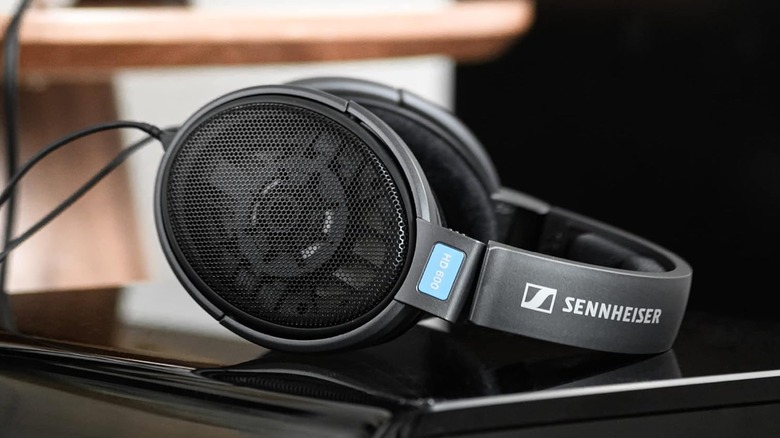
Open-back designs, like the Sennheiser HD 600, allow air to move through the earcups. This prevents pressure build-up and creates an expansive, natural soundstage that feels like you are sitting in a room with speakers rather than having the sound trapped inside your head. However, they leak sound out and let ambient noise in, making them unsuitable for commutes.
Closed-back headphones, such as the Sony MDR-7506, seal the audio in. This design provides necessary noise isolation for studio work, travel, or shared living spaces. While the soundstage is typically narrower, closed-back models often offer a more visceral bass punch and a sense of intimacy that many listeners prefer for energetic genres.
1. Sennheiser HD 600: The Gold Standard for Critical Listening
The Sennheiser HD 600 has maintained its status as a legend for nearly three decades, and for good reason. It is often cited as the best neutral sound signature headphones for serious music fans. The frequency response is remarkably flat, meaning it doesn't artificially boost the bass or treble. What you hear is exactly what the artist and engineer intended.
One technical detail to note is its 300-ohm impedance. This means the headphones require more voltage to reach a satisfying volume. While you can plug them into a laptop, you won't experience their full dynamic range without a dedicated headphone amplifier. The velour ear pads and lightweight chassis make them incredibly comfortable for long sessions, though the clamping force can feel a bit tight out of the box.
| Feature | Specification |
|---|---|
| Impedance | 300 Ohms |
| Driver Type | Dynamic (Open-Back) |
| Weight | 260g |
| Best For | Critical Listening, Classical, Jazz |
Reasons to Buy
- Unmatched mid-range clarity and natural timbre.
- Extremely durable and fully user-serviceable.
- Comfortable velour ear pads for long listening sessions.
Reasons to Avoid
- Requires a powerful headphone amplifier for best results.
- Lack of sub-bass impact compared to closed-back models.
2. Sony MDR-7506: The Professional Studio Choice
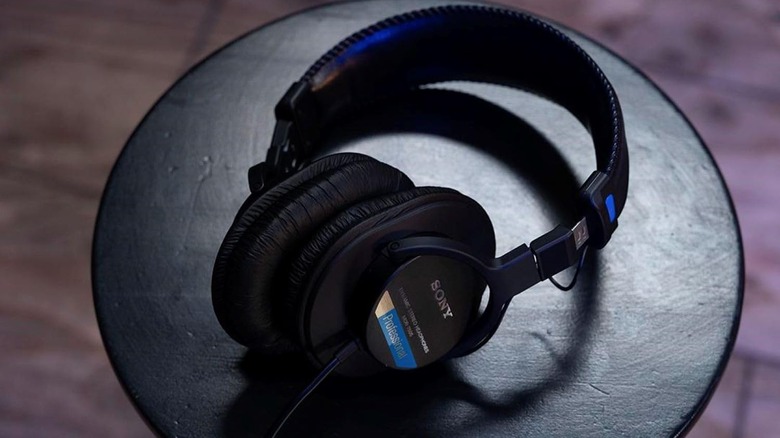
If you have ever stepped into a professional recording booth, you have likely seen the Sony MDR-7506. These are the quintessential studio monitor headphones for music production. Since 1991, they have been the industry standard because of their ruggedness and their ability to reveal flaws in a recording.
The sound signature is leaning toward the bright side, which helps engineers catch subtle clicks, pops, or sibilance in a vocal track. Because they are a closed-back design, they provide excellent noise isolation, making them a practical choice for studio monitor headphones for music production and casual listening in noisy environments. The foldable design and coiled cable further cement their place as a portable, reliable tool for professionals and hobbyists alike.
Reasons to Buy
- Exceptional durability and foldable for travel.
- Highly accurate for monitoring and vocal tracking.
- Very easy to drive without extra equipment.
Reasons to Avoid
- The bright treble can be fatiguing for some listeners.
- Non-detachable cable can be a point of failure.
3. Philips SHP9500: Best Value for Beginners
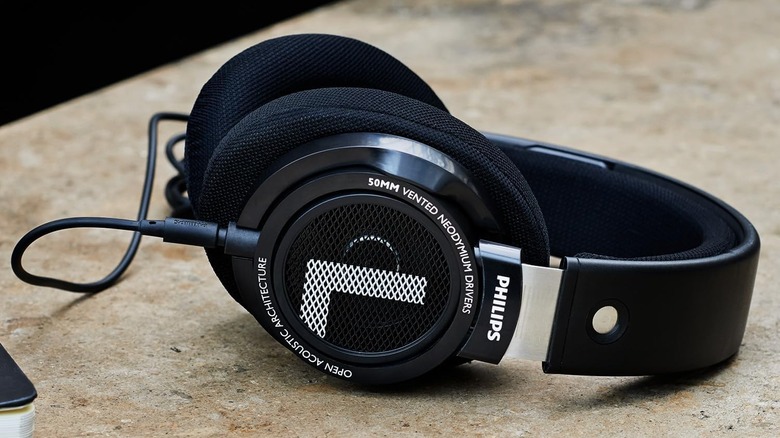
For those just starting their journey, the Philips SHP9500 represents the best budget hifi headphones on the market today. It is rare to find a pair of wired headphones for audiophiles under 100 dollars that offer such a balanced and open sound.
The SHP9500 features large 50mm drivers and an open-back design that creates a surprisingly wide soundstage. With a low 32-ohm impedance, these are incredibly easy to drive directly from a smartphone or laptop, making them an excellent entry point for best budget hifi headphones for home music setups. The mesh ear pads are breathable, which prevents your ears from getting hot during summer listening sessions.
Reasons to Buy
- Incredible price-to-performance ratio.
- Lightweight and very comfortable for long-term wear.
- Clear highs and a wide sense of space.
Reasons to Avoid
- Bass is lean and lacks deep extension.
- Build quality is mostly plastic, though sturdy enough for home use.
4. Focal Clear Mg: The 'Money-No-Object' Pick
When you are ready to move from entry-level gear to the pinnacle of high-resolution audio, the Focal Clear Mg is a top contender. These are designed for the listener who wants to hear every vibration of a guitar string and every breath a singer takes. The magnesium M-shaped dome drivers provide a level of sound imaging and speed that dynamic drivers rarely achieve.
The aesthetics are just as impressive as the sound, featuring a stunning chestnut finish and premium microfiber materials. While these are technically open-back, they offer a slightly more focused and punchy low-end than the HD 600. To get the most out of this investment, pairing them with a high-end digital-to-analog converter and a balanced amplifier is highly recommended.
Reasons to Buy
- Breathtaking detail and sound imaging.
- Luxury build quality and premium accessories.
- Dynamic and engaging sound that works with all genres.
Reasons to Avoid
- Very expensive compared to entry-level hifi.
- Heavier than most other models on this list.
5. Beyerdynamic T1 (3rd Gen): Premium Performance for Modern Devices
The Beyerdynamic T1 has long been a flagship in the audiophile world, but the 3rd generation brought a significant change: a reduction to 32-ohm impedance. This move was designed to make these high-end open-back headphones compatible with modern devices like laptops and high-res portable players without requiring a massive rack-mounted amp.
The T1 offers a unique tilted driver arrangement which helps mimic the way we hear sound from speakers, enhancing the soundstage and depth. It provides a warm, rich sound signature with plenty of high-resolution audio detail in the treble. It remains one of the best neutral sound signature headphones for serious music fans who want a bit more "soul" in their music without sacrificing accuracy.
Reasons to Buy
- Exceptional soundstage and spatial depth.
- Handcrafted in Germany with premium materials.
- Easy to drive while still delivering flagship performance.
Reasons to Avoid
- The fixed cable on the previous version was a complaint; this model has detachable cables, but they are proprietary.
- The warm sound signature might be too "colored" for strict purists.
Completing the Chain: Do You Need a DAC or Amp?
Choosing your wired audiophile headphones is only half the battle. To truly unlock their potential, you need to consider your signal chain. A digital-to-analog converter (DAC) takes the digital files from your computer or phone and turns them into a clean analog signal. Most built-in DACs in laptops are noisy and lack the precision required for high-resolution audio.
Furthermore, a headphone amplifier provides the power necessary to move the drivers of high-impedance models like the HD 600. Without enough power, your music will sound thin, lacking in bass and dynamic contrast. For modern listeners, a small portable DAC/Amp combo is often the most practical solution, providing a significant upgrade over a standard headphone jack. Finally, always look for models with detachable cables. Not only does this allow you to swap for balanced cables later, but it also ensures your headphones stay out of the landfill if a wire happens to fray.
FAQ
Are wired headphones better than wireless for sound quality?
Wired headphones are generally superior for sound quality because they transmit audio via an analog signal that does not require lossy digital compression. Unlike Bluetooth, which can lose data during transmission, a wired connection preserves the full integrity of high-resolution audio files.
What makes headphones considered audiophile grade?
Headphones are considered audiophile grade when they are designed with a focus on high-fidelity sound reproduction rather than just consumer-friendly features. This usually involves high-quality drivers, a neutral sound signature, and technical capabilities like a wide soundstage and accurate frequency response.
Do I need an external amplifier for wired audiophile headphones?
Whether you need an external amplifier depends on the impedance and sensitivity of the headphones. Models with high impedance, such as 300 ohms, usually require an amplifier to reach proper volume levels and maintain sound quality. Low-impedance models, typically 32 ohms, can usually be driven by a phone or laptop.
What is the difference between open-back and closed-back headphones?
The primary difference lies in the earcup design. Open-back vs closed back audiophile headphones involves a trade-off between soundstage and isolation. Open-back models have a more natural, airy sound but leak noise. Closed-back models block external noise and provide more bass isolation but have a more "in-your-head" sound feel.
Do wired headphones last longer than wireless ones?
Wired headphones typically last significantly longer because they do not contain internal lithium-ion batteries that lose their capacity to hold a charge over time. Additionally, many audiophile models are designed to be user-serviceable with replaceable ear pads and cables.