Our Top Picks
- Best for Simplicity: Camp Snap Camera ($70). A screen-free, rugged digital camera that captures the surprise of film without the recurring costs.
- Best for Nostalgia: Kodak Ektar H35N ($65). A beautiful half-frame film camera that doubles your shots and offers a stunning vintage look.
- Best for Learning: Canon R100. The lightest EOS R system camera, perfect for those who want to master manual controls on a budget.
- Best Retro Style: Nikon Z fc. Combining the tactile feel of 1980s film bodies with a modern sensor for a truly hands-on experience.
- Best Hybrid: Fujifilm X-T30 III. Offers the best film simulations on the market, allowing you to skip the editing process entirely.
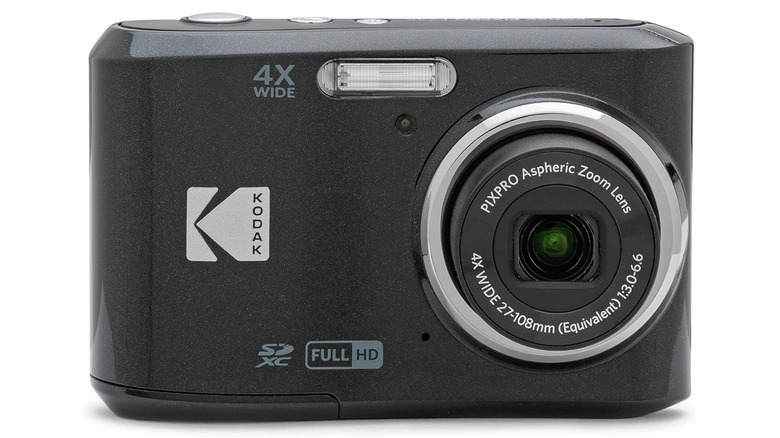
Photography in 2026 is moving away from the clinical perfection of smartphones toward tactile, affordable fun cameras. Whether you want budget friendly nostalgic cameras or the best entry level creative cameras, this guide helps you choose tools that prioritize joy over specs. The best affordable fun cameras for beginners prioritize the shooting experience over technical perfection, featuring options like the Kodak Pixpro FZ45 for simple ease or the screen-free Camp Snap Camera to help you stay in the moment.
| Camera Model | Best For | Standout Feature | Estimated Price |
|---|---|---|---|
| Camp Snap | Pure Simplicity | No Screen / Rugged | $70 |
| Kodak Ektar H35N | Film Newcomers | 72 shots per roll | $65 |
| Canon R100 | Foundational Learning | RF Lens Mount | $450 |
| Nikon Z fc | Tactile Style | Manual Dials | $900 |
| Fujifilm X-T30 III | Creative Expression | Film Simulations | $850 |
For many years, the camera industry was obsessed with "more"—more megapixels, more autofocus points, and more expensive glass. But as we look at the landscape in 2026, the tide has turned. Modern photographers are looking for a soul in their images that a smartphone's AI-processed photos simply cannot replicate. We are seeing a massive surge in interest for tools that feel "real." In fact, the global mirrorless camera market is forecast to expand from $7.74 billion in 2023 to $11.60 billion by 2032, driven by rising demand for compact and user-friendly models.
1. The Screen-Free Rebel: Camp Snap Camera
If you find yourself constantly checking your phone or squinting at a tiny LCD screen instead of enjoying the sunset, the Camp Snap Camera is your antidote. Priced at just $70, this camera is built on a "distraction-free" philosophy. It has no screen on the back. You point, you shoot, and you wait until you get home to see what you captured. It is the ultimate analog style digital cameras for travel because it removes the pressure of immediate perfection.
The design is intentionally rugged and simple, inspired by vintage aesthetics but featuring a modern 8-megapixel sensor and USB-C connectivity. It’s the perfect gift for hobbyists who want to document festivals, hiking trips, or summer camps without the fragility of a high-end mirrorless body. Because there is no screen, the battery lasts for weeks, making it a reliable companion for candid photography where you want to be a participant in the scene, not just an observer.
Expert Note: I often call this the "digital disposable." It gives you that same "click-and-forget" feeling, but you don't have to keep buying new rolls of film or paying for developing. It’s about the feeling of the moment, not the resolution of the pixels.
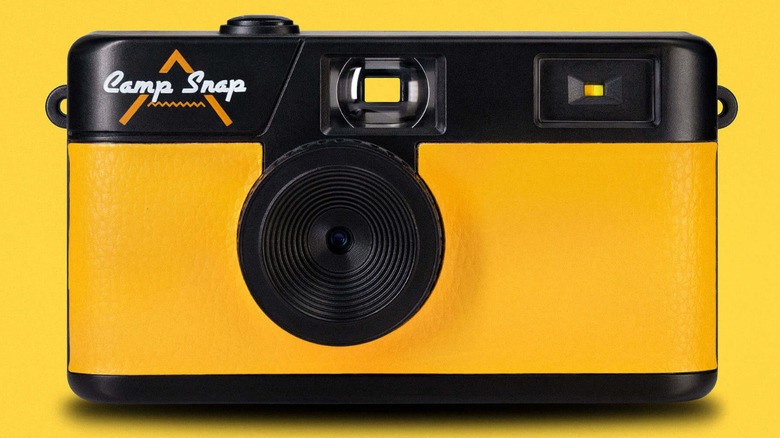
Who is this for? The Weekend Traveler who wants to put their phone away and capture memories without the "digital noise" of social media and instant previews.
2. Double the Fun: Kodak Ektar H35N Half-Frame
For those who want to experience the true magic of chemical photography without the skyrocketing costs of 35mm film, the Kodak Ektar H35N is a revelation. This is one of the most budget friendly nostalgic cameras on the market today. It utilizes a half-frame format, meaning it takes two vertical photos on a single standard frame of film. This effectively turns a 36-exposure roll into 72 shots, instantly halving your film and development costs.
The H35N isn't just about saving money; it’s about creative play. It features a built-in star filter that creates four-beam flares on light sources, perfect for night photography or sunny beaches. The tactile manual winding and the "thwack" of the mechanical shutter provide a sensory experience that no touch screen can match. These are reusable analog bodies made of high-quality plastic with a glass lens element that produces images with a distinct, dreamy vintage character.
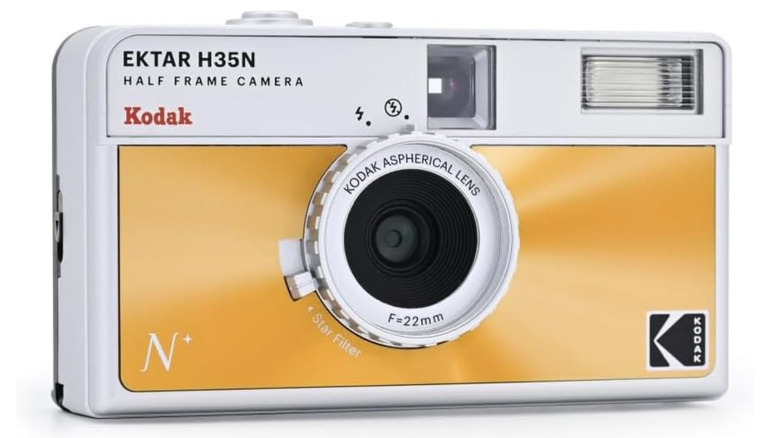
Expert Note: Using a half-frame camera teaches you to think in "diptychs"—two images that tell a story together. It’s an incredible exercise for any beginner looking to improve their visual storytelling.
Who is this for? The Nostalgic Artist who loves the grain and color of film but needs an affordable way to stay in the hobby.
3. The Minimalist Learner: Canon R100
Sometimes, "fun" means finally understanding how a camera actually works. The Canon R100 is designed as a gateway into the professional EOS R system. Weighing only 356g, it is incredibly light, making it one of the best entry level creative cameras for those who want a "real" camera without the bulk. While it lacks a touchscreen, I actually view this as a benefit for minimalist cameras for learning photography basics. It forces you to use the physical buttons and the 2.36 million-dot OLED viewfinder to navigate your settings.
Under the hood, you get a massive 24.1-megapixel APS-C sensor. This provides a depth of field and low-light performance that smartphones can't touch. Interestingly, the Canon EOS R50 emerged as the top-selling mirrorless camera in Japan in October 2024, proving that Canon’s entry-level strategy is resonating with new photographers. The R100 offers much of that same DNA at an even lower price point, giving you access to a world of interchangeable lenses.
Expert Note: Don't let the lack of a flip-screen deter you. The R100 is about the discipline of the shot. It’s a camera that rewards you for slowing down and looking through the eyepiece.
Who is this for? The Aspiring Student who wants to move beyond "Auto" mode and start exploring the world of aperture, shutter speed, and professional lenses.
4. Vintage Soul, Modern Tech: Nikon Z fc
If aesthetics are what get you excited to pick up a camera, the Nikon Z fc is a masterpiece. It is a modern digital mirrorless camera wrapped in the body of the legendary Nikon FM2 film camera from the 1980s. The primary draw here is the tactile controls. Instead of digging through digital menus, you have dedicated physical dials for ISO, Shutter Speed, and Exposure Compensation.
This hands-on approach makes it one of the most effective retro style point and shoot cameras for teaching the exposure triangle. You can see your settings before you even turn the camera on. While it is more of an investment than a basic point-and-shoot, its value as a long-term hobbyist tool is unmatched. If the Z fc is out of your budget, don't overlook a used Nikon D90. It was the first DSLR to ever record video, and you can often find them for under $150. Both cameras offer that classic Nikon "heft" and mechanical feel that makes every click feel intentional.
Expert Note: There is a specific joy in turning a physical dial to adjust your exposure. It makes the camera feel like an instrument rather than a computer.
Who is this for? The Style-Conscious Creator who wants a camera that looks as good as the photos it takes and appreciates the mechanical feel of the past.
5. The Film Simulator: Fujifilm X-T30 III
Fujifilm has built a cult following because of its legendary film simulations. These are not just filters; they are complex color profiles built into the camera’s image processing workflow that replicate the look of classic film stocks like Velvia, Provia, and the new REALA ACE. For beginners who want the "film look" without the cost of film or the hassle of editing software, this is the best value mirrorless cameras for novice users.
The X-T30 III (or its sibling, the X-S20) allows you to create diptych photography in-camera, combining two shots into one frame. This encourages a playful, experimental approach to your daily life. With its 26.1-megapixel X-Trans sensor and dedicated aperture rings on many of its lenses, the Fujifilm system feels like a bridge between the analog and digital worlds. It’s a camera that makes you want to go out and shoot because you know the colors will look "finished" right out of the box.
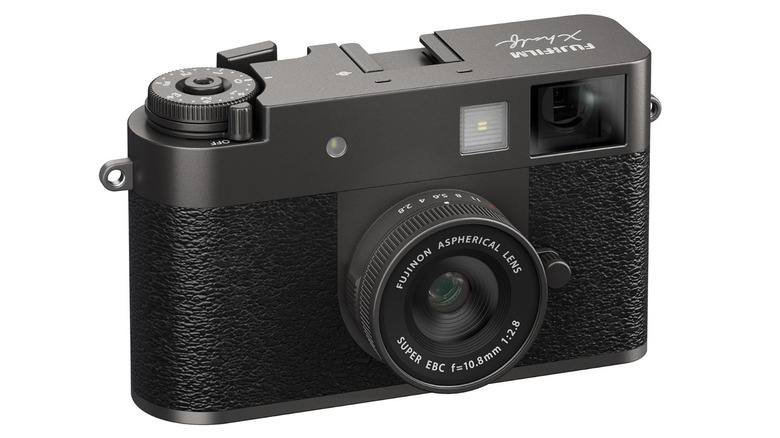
Expert Note: I spent years editing photos to look like film. With Fujifilm, I just set the simulation to Classic Chrome and I'm done. It saves time and keeps the creative momentum going.
Who is this for? The Social Media Storyteller who wants beautiful, high-quality images ready to share instantly, with no computer required.
Expert Buying Guide: Why Fun Matters More Than Specs
When you are starting out, it is easy to get caught up in the "specs war." You might think you need a camera with the fastest autofocus or the highest resolution to be a "real" photographer. But after years of testing gear, I’ve realized that the best camera is the one that makes you want to take it out of your bag.
Think of it like learning to drive. You don't start with a Formula 1 car; you start with something that is fun, manageable, and teaches you the rules of the road. A 15-year-old DSLR or a simple screen-free digital camera can be more fun than a modern flagship because it forces you to be creative within its limitations. Limitations are the secret ingredient to growth in photography.
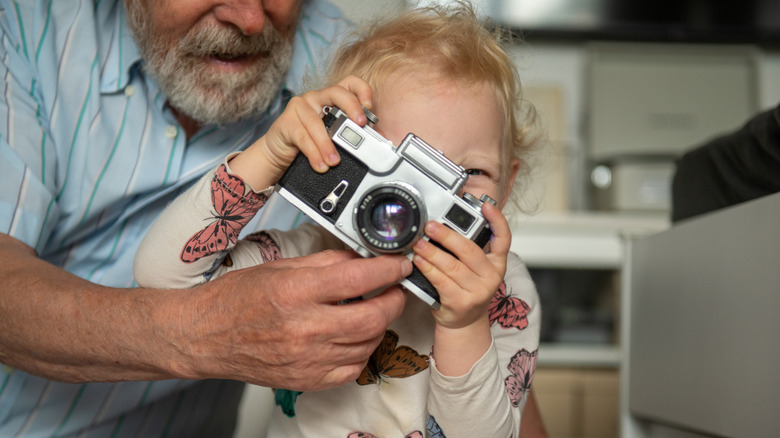
When choosing your first "fun" camera, ask yourself:
- Does this camera make me feel excited to use it?
- Are the controls intuitive, or do they feel like a chore?
- Does it fit into my lifestyle (e.g., is it pocketable for travel)?
The goal is to find a tool that helps you see the world differently. Whether that’s through the grainy lens of a half-frame film camera or the tactile dials of a retro-style mirrorless body, the best affordable fun cameras are the ones that turn an ordinary walk into an adventure.
FAQ
What are the best affordable cameras for beginners?
The best affordable options include the Camp Snap Camera for those wanting a digital-film hybrid experience under $100, and the Canon R100 for those wanting a professional-quality sensor at an entry-level price. If you are interested in film, the Kodak Ektar H35N is the most cost-effective way to start.
Which budget cameras are best for casual photography?
For casual use, point-and-shoot cameras like the Kodak Pixpro FZ45 or the screen-free Camp Snap are excellent because they are small, lightweight, and don't require any technical knowledge to operate. They allow you to focus on the moment rather than the settings.
What are some fun and inexpensive cameras for travel?
The Kodak Charmera is a great keychain-style camera for travel, offering built-in vintage filters. For a more robust travel experience, the Nikon Z30 or the Ricoh GR IIIx offer professional image quality in bodies that can fit in a jacket pocket, though they sit at a slightly higher price point.
What is a good hobby camera for a teenager?
The Camp Snap Camera is an ideal choice for teenagers because it is durable, inexpensive, and encourages them to stay off their phones while hanging out with friends. For a teen interested in the "aesthetic" of photography, a half-frame film camera like the Kodak H35N is very popular right now.
How do I choose a fun camera without spending too much?
Look for gear that prioritizes a specific "experience" rather than high-end specs. You can save money by choosing cameras with fixed lenses, looking at the used market for older DSLRs, or opting for "analog-style" digital cameras that skip expensive features like 4K video or high-speed bursts.